Foundations of Computing
Introduction to Computers
What Is a Computer?
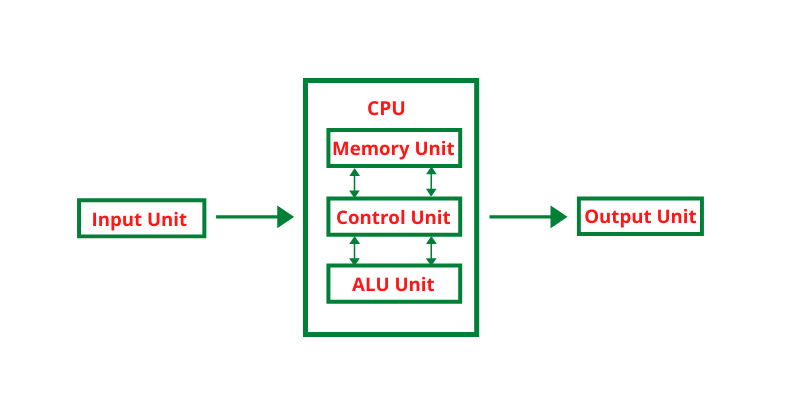
At its core, a computer is a machine that follows instructions. You give it some information, it works with that information, and then it gives you back a result. Think of it like a lightning-fast, incredibly obedient cook. You provide the ingredients (input) and a recipe (instructions), the cook prepares the dish (processing), and then serves you the meal (output).
Computer
noun
An electronic device for storing and processing data, typically in binary form, according to instructions given to it in a variable program.
This basic cycle of input, processing, and output is the foundation of everything a computer does, from simple calculations to running complex video games. Early computers were designed just for math, but modern ones handle text, images, sound, and much more.
A Brief History of Computing
The idea of a computing machine isn't new. For centuries, humans have created tools to help with calculations, from the ancient abacus to mechanical calculators in the 1600s. But the journey to the electronic devices we use today truly began in the 19th century with an English mathematician named Charles Babbage.
Babbage designed the "Analytical Engine," a mechanical computer that, on paper, had all the key parts of a modern machine: a way to input data (punch cards), a processor (the "mill"), memory (the "store"), and a way to get results. It was never fully built, but the concepts were revolutionary.
Ada Lovelace, who worked with Babbage, is often called the world's first computer programmer. She wrote the first algorithm intended to be processed by his machine.
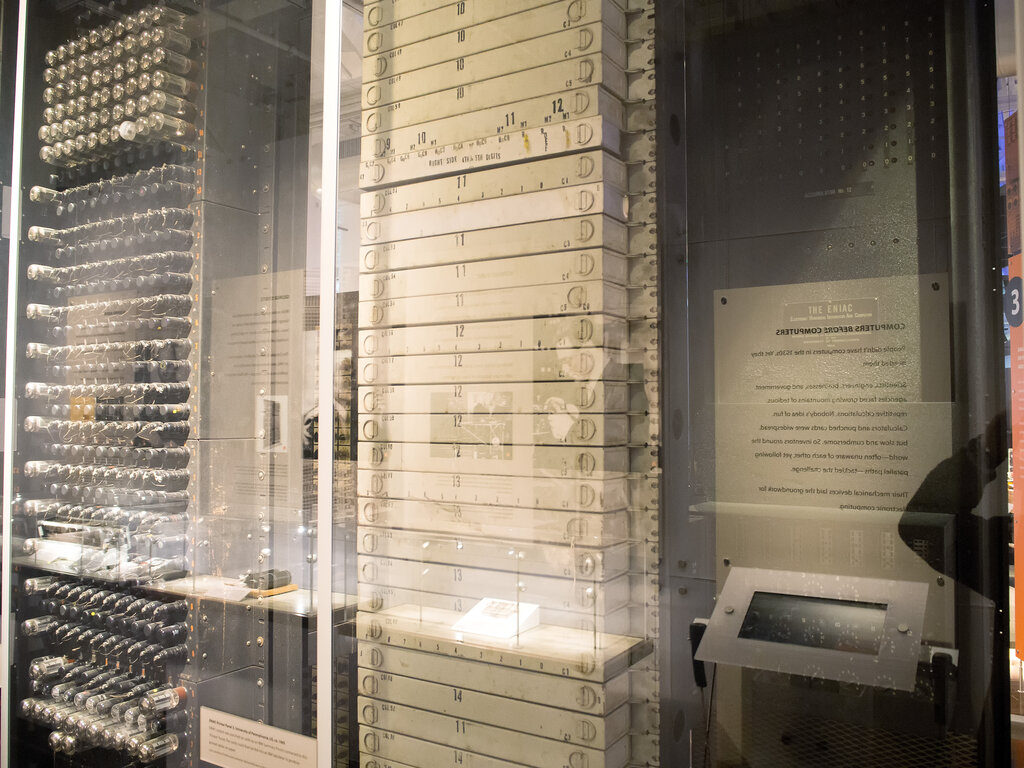
The first general-purpose electronic computers arrived in the 1940s. One of the most famous was ENIAC (Electronic Numerical Integrator and Computer). It was massive, filling an entire room and using thousands of vacuum tubes for its calculations. These early machines were slow, expensive, and unreliable by today's standards, but they were a monumental leap forward.
Over the next few decades, key inventions made computers smaller, faster, and more powerful. The vacuum tube was replaced by the much smaller and more reliable transistor. Then, the integrated circuit packed many transistors onto a tiny silicon chip. This miniaturization paved the way for the personal computers that started appearing in homes and offices in the 1970s and 80s.
Types of Computers
Not all computers are designed for the same tasks. They come in different sizes and with varying levels of power, each suited to different needs. We can group them into a few broad categories.
| Type | Description | Common Use Cases |
|---|---|---|
| Personal Computer | A small computer designed for an individual user. Includes desktops, laptops, and tablets. | Web browsing, word processing, gaming, general office work. |
| Server | A computer dedicated to providing services to other computers over a network. | Hosting websites, managing email, storing shared files, running online games. |
| Mainframe | A large, powerful computer capable of handling massive amounts of data and thousands of users at once. | Processing transactions for banks, airlines, and large retailers. |
| Supercomputer | The most powerful class of computer, designed for extremely complex calculations. | Scientific research, weather forecasting, complex simulations. |
While these categories seem distinct, the lines can blur. A high-end personal computer can be more powerful than a low-end server from a few years ago. And the smartphone in your pocket has more computing power than the supercomputers of the 1970s. The principles are the same, but the scale and application change.
Now that you've got a handle on the basics, let's test your knowledge.
What is the fundamental three-step cycle that all computers follow to perform tasks?
Charles Babbage's design for the Analytical Engine, a mechanical precursor to modern computers, included a processor he called the ______.
Understanding what a computer is, where it came from, and the different forms it takes is the first step in exploring the digital world.