Foundations of Computer Science
Introduction to Computer Science
The Machine and Its Ghost
At its heart, a computer is a machine that follows instructions. It takes in information (input), works with it (processing), and produces a result (output). Think of making a smoothie. The fruit is the input, the blender does the processing, and the smoothie is the output.
Every computer system, from your smartphone to a massive supercomputer, has two fundamental parts: hardware and software. Hardware is the physical stuff you can touch—the screen, keyboard, and chips inside. Software is the set of instructions that tells the hardware what to do. One is useless without the other, like a piano with no sheet music.
Hardware: The Physical Parts
Computer hardware is the collection of physical components that make up a computer system. If a computer were a person, the hardware would be its body. There are four main categories of hardware.
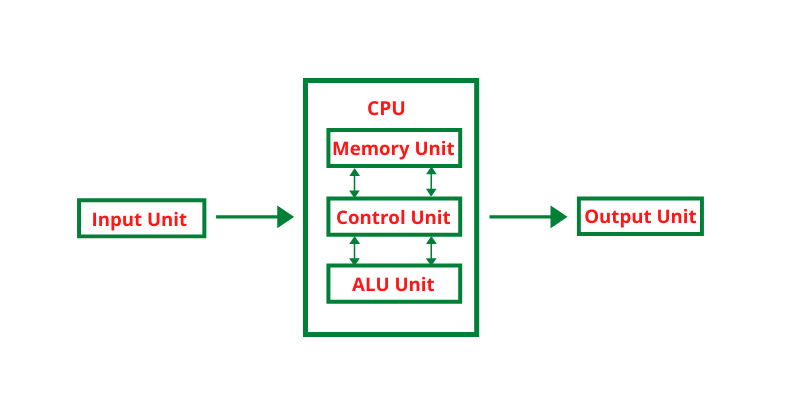
Central Processing Unit (CPU): This is the brain of the computer. The CPU executes instructions and performs calculations, handling the bulk of the processing. Its speed is a major factor in how fast a computer feels.
Memory (RAM): Random Access Memory, or RAM, is the computer's short-term memory. It holds the data and instructions the CPU is actively using. When you open an app, it's loaded into RAM for quick access. But when the power goes off, RAM forgets everything.
Storage: This is the computer's long-term memory. It's where your files, applications, and operating system are kept permanently. Hard disk drives (HDDs) and solid-state drives (SSDs) are common forms of storage.
Input/Output (I/O) Devices: These are how the computer interacts with the outside world. Input devices, like a keyboard or mouse, send information in. Output devices, like a monitor or speakers, send information out.
Software: The Instructions
Software is the set of programs and instructions that tell the hardware what to do and how to do it. It brings the physical components to life. There are two main kinds of software.
System Software: This works in the background to manage the computer's basic functions. The most important piece of system software is the operating system (OS), like Windows, macOS, or Linux. The OS is the bridge between you and the hardware, managing memory, processes, and all of its software and hardware.
Application Software: This is the software you use to perform specific tasks. Web browsers, word processors, video games, and photo editors are all application software. They rely on the operating system to function.
Hardware gives a computer its potential, but software is what unlocks it.
A Quick Trip Through Time
The idea of automated calculation is ancient, but modern computing is a relatively recent invention. Early devices like the abacus were manual tools. The first steps toward automatic computers came in the 19th century with Charles Babbage's designs for mechanical calculating engines, though they were never fully built.
The electronic age began in the mid-20th century with massive machines like ENIAC, which used thousands of vacuum tubes and filled entire rooms. A key breakthrough was the invention of the transistor, which replaced bulky, unreliable vacuum tubes with something small, fast, and efficient. This led to the integrated circuit, which packed many transistors onto a tiny silicon chip.
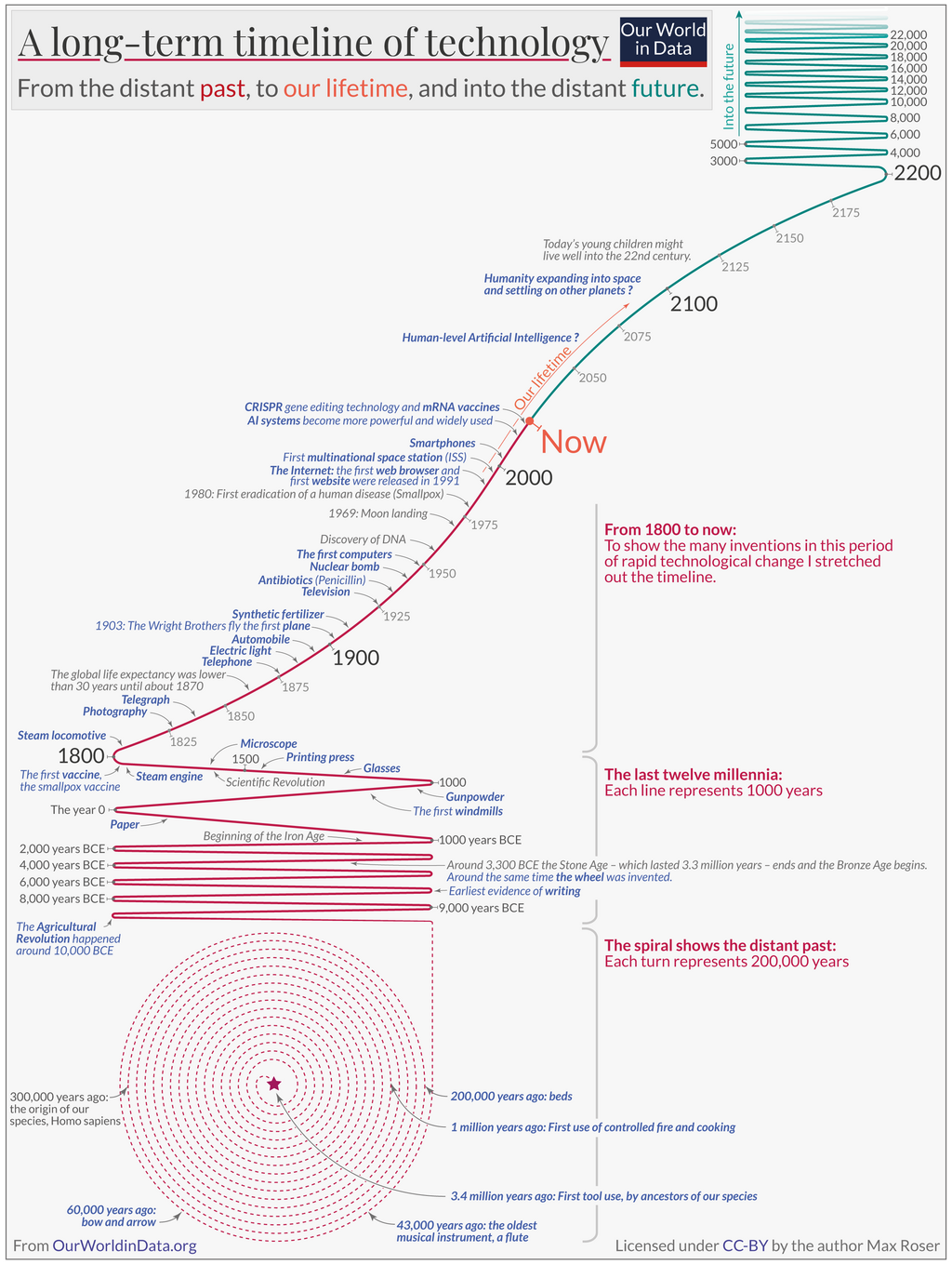
These innovations made computers exponentially smaller, cheaper, and more powerful, paving the way for the personal computer (PC) revolution in the 1970s and 80s. Companies like Apple and IBM brought computing into homes and offices. The story of computing is one of constant miniaturization and increasing power, leading to the interconnected world of laptops, smartphones, and the internet we know today.
Programming Languages
So how do humans write the instructions that become software? We use programming languages.
A programming language is a formal language that provides a set of instructions for a computer. At the lowest level, computers only understand machine code, which is just a sequence of ones and zeros. This is incredibly difficult for humans to write or read.
To bridge this gap, we use high-level programming languages like Python, Java, or C++. These languages use words and syntax that are much closer to human language. A special program called a compiler or an interpreter then translates this high-level code into the machine code the computer's hardware can execute.
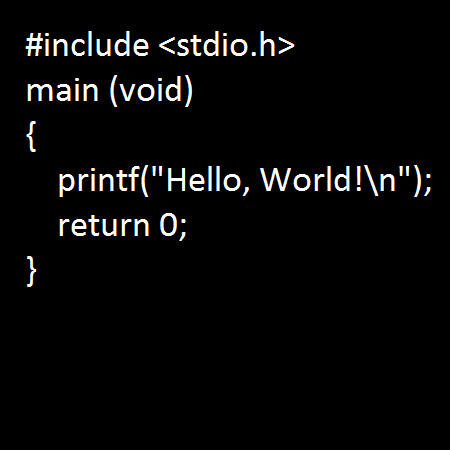
Learning to program is like learning a new language. Each one has its own vocabulary (keywords) and grammar (syntax). But once you understand the core concepts of how to structure instructions and solve problems, you can apply that knowledge to any programming language.
In the analogy of making a smoothie, what does the blender represent in a computer system?
What is the primary role of the Central Processing Unit (CPU)?