Foundations of Computer Networking
Networking Basics
What Is a Network?
At its core, a computer network is just a group of devices connected together so they can talk to each other. Think of it like a conversation. For you to talk to a friend, you need to be connected, perhaps by being in the same room or on a phone call. Computers are the same. They need a connection to share information.
Computer Network
noun
A collection of interconnected computing devices that can exchange data and share resources.
The main purpose of a network is to make our lives easier through sharing. In your home, your laptop, phone, and smart TV might all be on the same network. This allows you to print a document from your laptop to a wireless printer or stream a video from your phone to your TV. Without the network, each device would be an isolated island.
Networks enable two key things:
- Resource Sharing: Connecting devices to shared hardware like printers, scanners, or servers.
- Communication: Sending and receiving information, like emails, messages, or video calls.
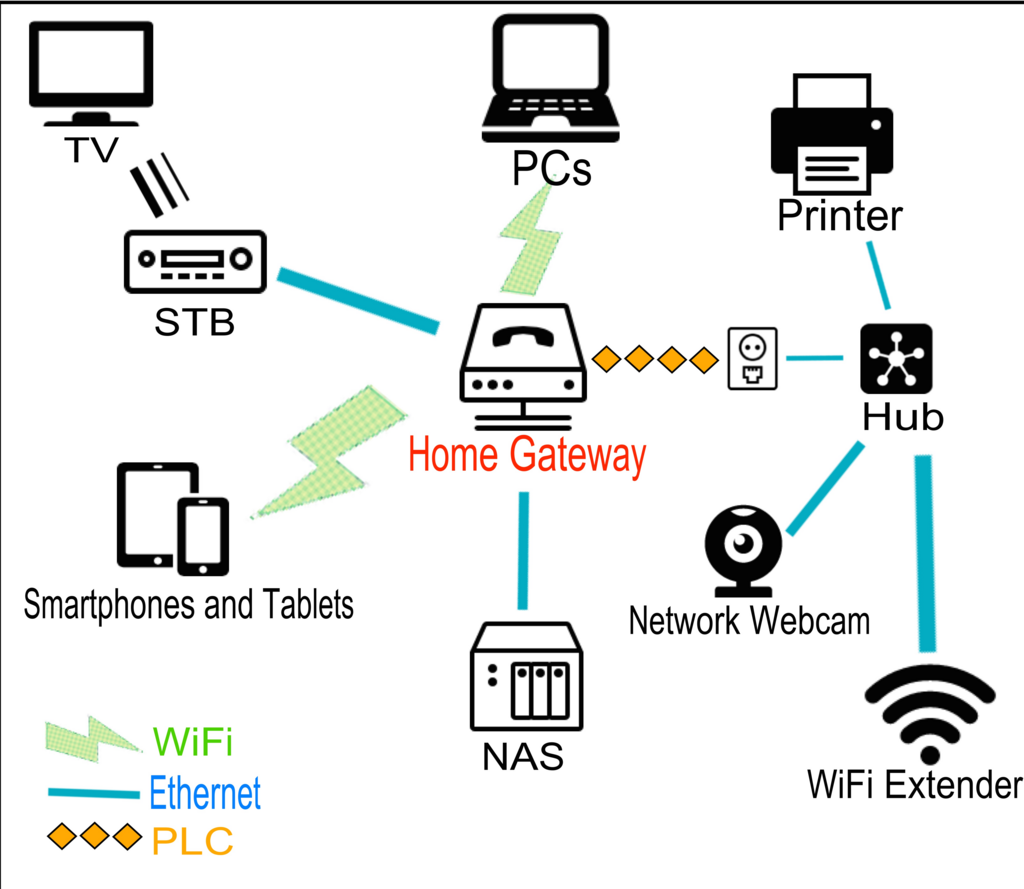
Networks Come in All Sizes
Not all networks are the same size. They can range from a couple of devices in a single room to billions of devices spread across the entire globe. We generally group them into three main categories based on their geographical reach.
Think of it like this: a network in your house, a network connecting your entire city, and a network that spans the world.
The smallest and most common type is the Local Area Network, or LAN. This is the network inside your home, school, or a single office building. The devices are all physically close to one another, usually connected through a central device like a Wi-Fi router.
The next step up is a Metropolitan Area Network, or MAN. A MAN covers a larger area than a LAN, such as an entire city or a large campus. It's often used to connect several LANs together. For example, a university might use a MAN to connect the networks of its various campus buildings across town.
Finally, the largest type of network is the Wide Area Network, or WAN. A WAN spans a very large geographical area, like a country or even the entire planet. WANs are used to connect LANs and MANs together over long distances, often using telephone lines or fiber optic cables.
The ultimate example of a WAN is the internet itself, which is a global network of networks.
How Data Travels
So how does information get from one device to another? The basic principle is to break the data down into smaller pieces. Think about sending a large book in the mail. Instead of trying to stuff the whole thing into one giant, clumsy box, it's much more efficient to send it one chapter at a time in smaller, manageable envelopes.
Packet
noun
A small segment of a larger message. Data sent over computer networks is broken down into packets.
Computer networks do the same thing with your data. Whether it's an email, a photo, or a video, the network breaks it down into tiny pieces called packets. Each packet is like one of those envelopes. It contains a small part of the total information and is labeled with a destination address, telling the network where it needs to go.
These packets are sent out across the network, and they might even take different paths to get to their destination. Once they all arrive, the receiving device reassembles them in the correct order, putting the book back together, chapter by chapter, until the complete message is restored.
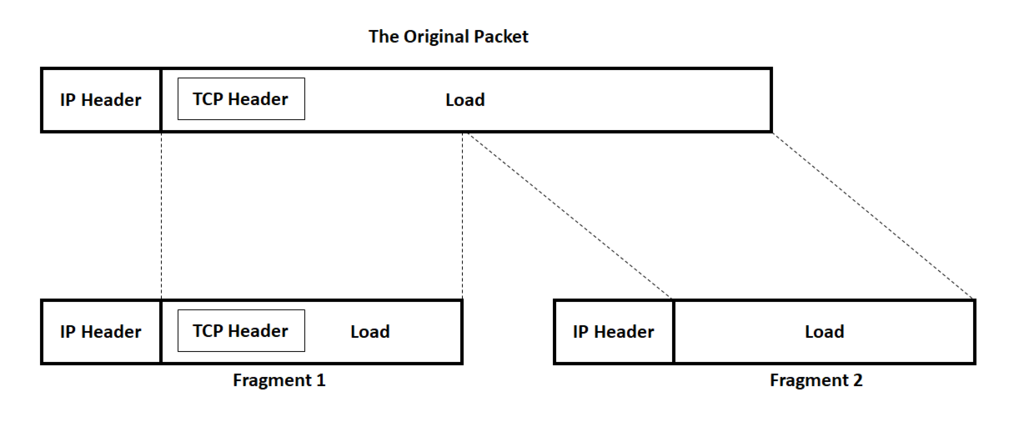
This process of breaking down, sending, and reassembling data happens incredibly fast, allowing us to communicate and share information almost instantly across the globe.
What are the two primary purposes of a computer network?
A network that connects all the computers and printers within a single office building is best described as a: