Foundations of Code
Introduction to Programming
What Is Programming?
At its heart, programming is simply the process of giving a computer a set of instructions to perform a specific task. Think of it like writing a recipe. A recipe lists ingredients and step-by-step directions for a chef to follow. If the instructions are clear and in the right order, you end up with a delicious cake. If a step is confusing or missing, you get a mess.
A computer is like a very literal, very fast chef that doesn't know how to cook anything on its own. It needs a programmer to write a precise recipe, which we call a program or code. These instructions tell the computer exactly what to do, from displaying a button on a website to calculating a satellite's trajectory.
Programming
noun
The action or process of writing computer programs.
Programming isn't just about writing code; it's about using logic to solve problems in a structured way.
The person who writes these instructions is a programmer. Their job is to break down a large problem into smaller, manageable steps and then translate those steps into a language the computer can understand.
Why Programming Matters
Programming is the engine driving the modern world. It's not just for building websites or video games. Scientists use it to analyze massive datasets to find new medical treatments. Artists create interactive installations powered by code. Financial analysts build complex models to predict market trends. The app you use to order coffee, the streaming service that recommends movies, and the operating system on your phone are all built with code.
Learning to program teaches you how to think critically and logically. It trains you to approach challenges with a problem-solving mindset, breaking them down into logical sequences. This skill is valuable in nearly every field, whether you're managing a project, designing a product, or running a business.
A World of Languages
Just as humans speak many different languages, there are many different programming languages. Each one has its own rules, or syntax, and is suited for different kinds of tasks. Some popular languages include:
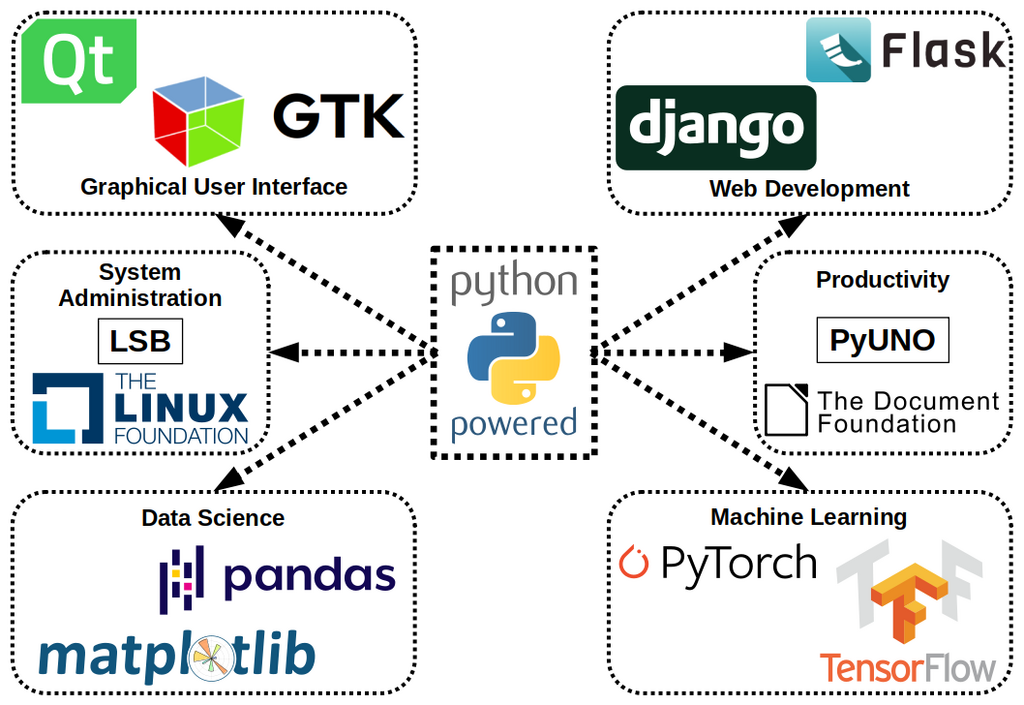
- Python: Known for its simple, readable syntax. It's a great first language and is widely used in data science, web development, and artificial intelligence.
- JavaScript: The language of the web. It runs in your browser to make websites interactive.
- C++: A powerful language used for performance-critical applications like video games, operating systems, and financial trading software.
- Java: A versatile language used for everything from Android apps to large-scale enterprise systems.
Choosing a language depends on what you want to build. For this journey, we'll be focusing on Python. Its clean structure and widespread use make it an excellent starting point for learning the fundamental concepts that apply across all programming languages.
Ready to see what these fundamentals look like? Let's get started.