Foundations of Clinical Biochemistry
Introduction to Clinical Biochemistry
The Lab Behind the Diagnosis
When you visit a doctor, they often gather information by talking to you and performing a physical exam. But to get a clearer picture of what's happening inside your body, they rely on laboratory tests. This is where clinical biochemistry comes in. It's the field of medicine that analyzes the chemical and biochemical components of body fluids to help diagnose, monitor, and treat diseases. Think of it as a form of chemical detective work.
A clinical biochemist in a lab doesn't just run tests. They interpret the results, ensure the tests are accurate, and help doctors understand what the numbers mean for their patients. It’s a crucial link between the laboratory and the patient's bedside.
Blood test reports are the foundation of most medical decisions.
Clues in Our Fluids
Our bodies produce various fluids that act as messengers, carrying substances that reflect our state of health. By analyzing these fluids, we can find important clues about diseases or imbalances.
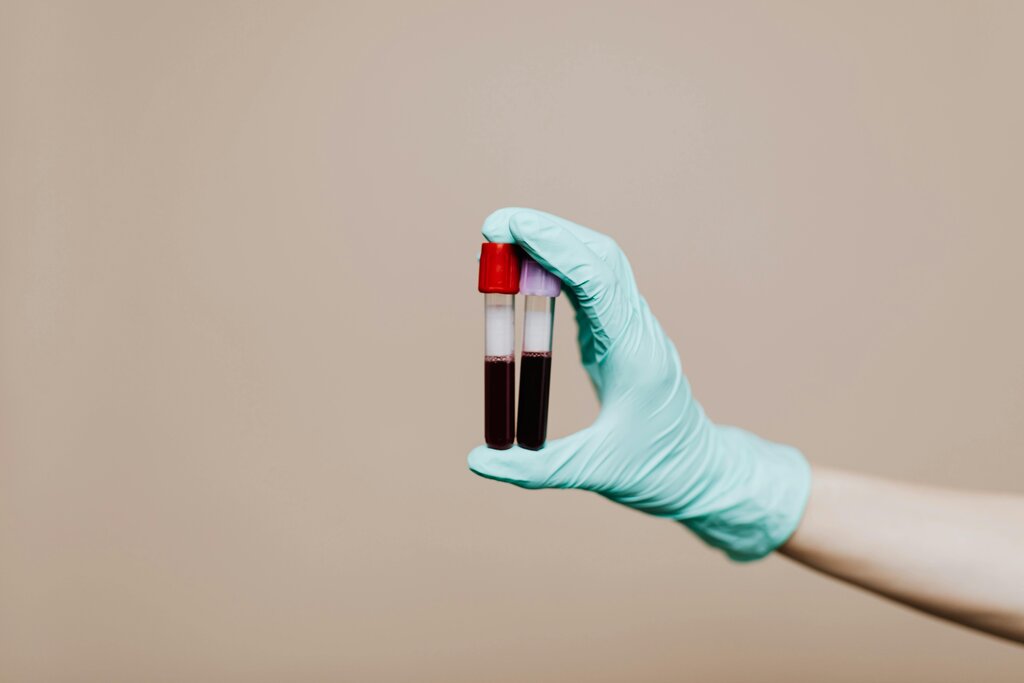
The most common samples used in clinical biochemistry include:
- Blood: The workhorse of the clinical lab. Technicians can test whole blood, but more often they separate it into its components. Plasma is the liquid portion that contains clotting factors, while serum is the liquid that remains after the blood has clotted. Both are rich in proteins, hormones, and minerals.
- Urine: This sample is easy to collect and provides a window into kidney function and the body's metabolic processes. It can reveal signs of infection, kidney disease, and diabetes.
- Cerebrospinal Fluid (CSF): This is the clear fluid that surrounds the brain and spinal cord. It's collected via a spinal tap and is crucial for diagnosing conditions affecting the central nervous system, like meningitis or multiple sclerosis.
Reading the Results
Clinical labs test for specific substances called analytes. An analyte can be anything from glucose (sugar) and electrolytes to enzymes and hormones. Each test has a 'normal' or reference range, which represents the typical values found in a healthy population. Your result is compared against this range.
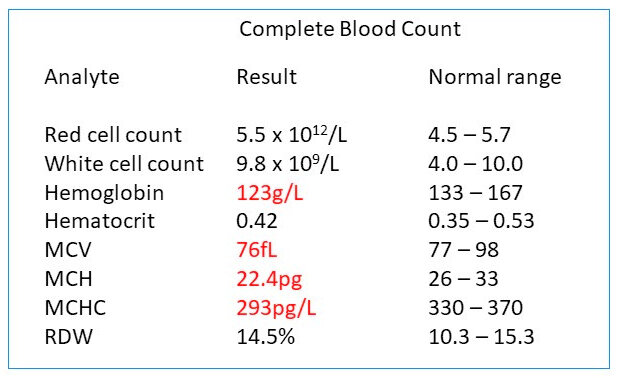
A result outside the reference range might indicate a problem, but not always. Factors like age, sex, and even what you ate before the test can affect the results. A doctor uses this information along with your symptoms and medical history to make a diagnosis.
Here are some common tests and what they measure:
| Test Panel | Common Analytes | Purpose |
|---|---|---|
| Basic Metabolic Panel | Glucose, Calcium, Sodium, Potassium | Checks blood sugar, electrolyte balance, and kidney function. |
| Liver Function Tests | ALT, AST, Bilirubin, Albumin | Assesses the health and function of the liver. |
| Lipid Panel | Total Cholesterol, LDL, HDL, Triglycerides | Measures fats in the blood to assess cardiovascular risk. |
| Thyroid Panel | TSH, T3, T4 | Evaluates thyroid gland function. |
Accuracy is Everything
Inaccurate test results can lead to wrong diagnoses and treatments, so quality control is a top priority in any clinical lab. Labs run daily checks on their equipment using control samples, which are materials with known values for specific analytes. If the machine's result for the control sample matches the known value, the lab knows the equipment is working correctly and patient results will be reliable.
This process ensures that a test result for a patient in one lab would be the same if measured in another lab across the world.
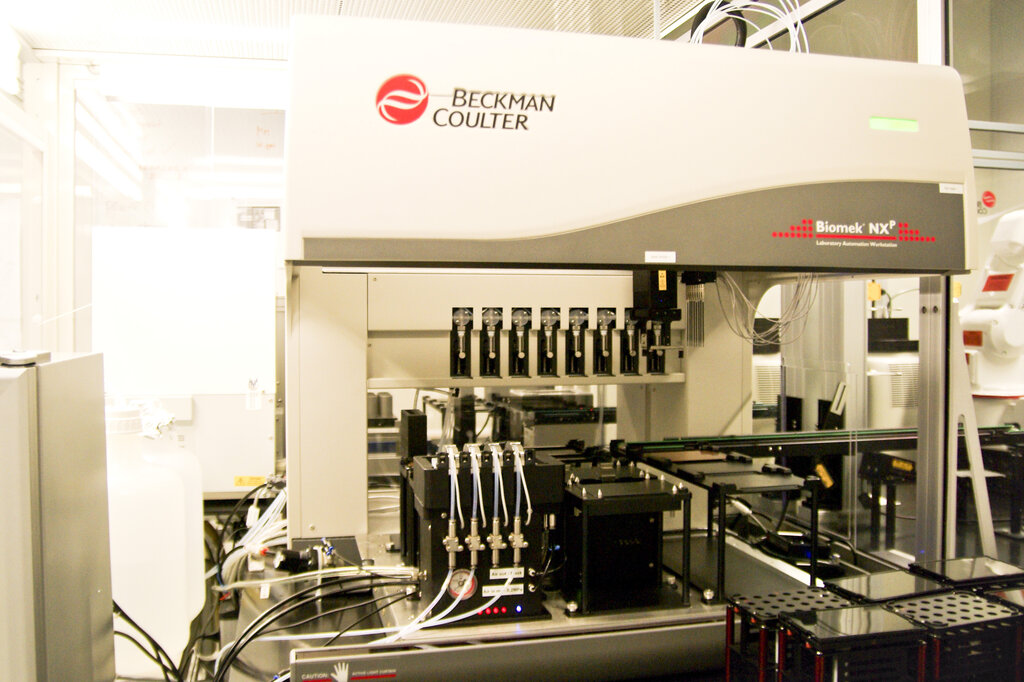
To handle the massive volume of tests, modern labs rely heavily on automation. Large analyzers can process hundreds of samples an hour, performing multiple tests on each one. Robotic systems handle samples, add chemicals, and measure reactions with incredible precision. This not only speeds up the process but also reduces the chance of human error, leading to faster and more reliable results for patients.
Let's review the key concepts we've covered.
What is the primary role of clinical biochemistry in medicine?
Which substance is the liquid portion of blood that remains after clotting has occurred?
Clinical biochemistry is a dynamic field that provides the data doctors need to make informed decisions, forming the unseen backbone of modern medical care.