Foundations of Classical Music Theory
Introduction to Musical Elements
The Building Blocks of Music
Music is more than just a collection of sounds. It's a structured language built from a few key ingredients. When you listen to a piece of music, you're hearing melody, harmony, rhythm, and form working together. Let's break down what each of these elements means.
Melody
Melody is the part of a song you're most likely to remember. It's the tune you hum in the shower or whistle while you walk. Think of it as the main character in a story, a sequence of notes that moves through the piece and captures your attention.
Melody
noun
A sequence of single notes that is musically satisfying.
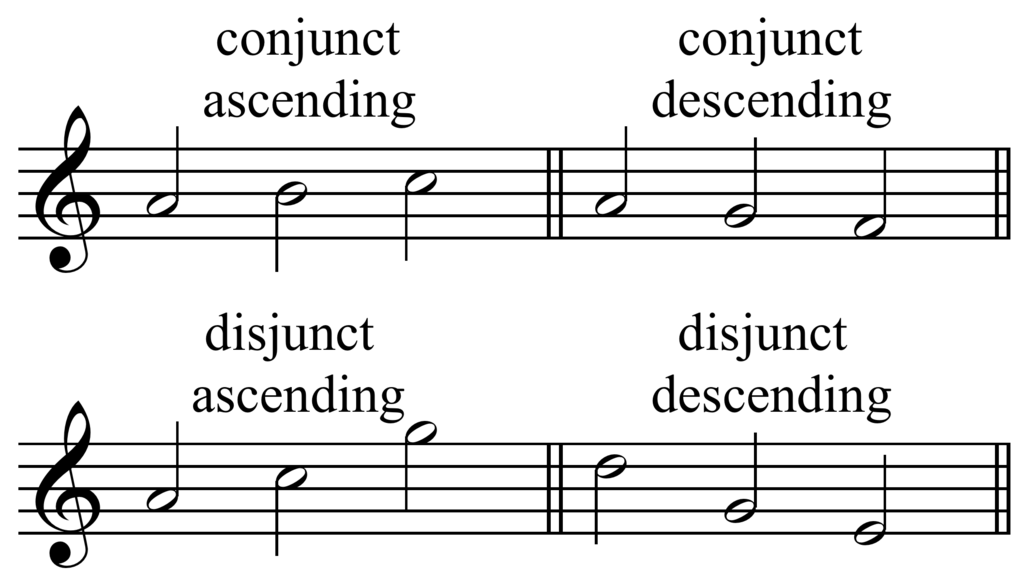
A melody has a shape, or contour. It can move up, down, or stay relatively flat. Some melodies jump around with big leaps between notes, while others move smoothly step by step. This movement is what gives a melody its expressive quality, making it sound joyful, sad, or tense.
Harmony
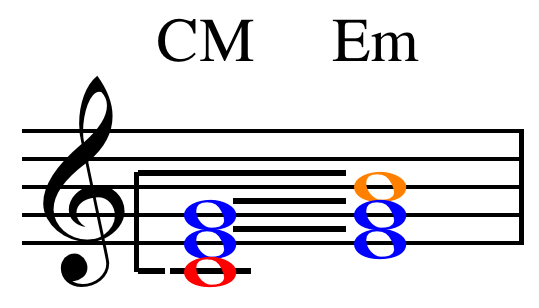
If melody is the main character, harmony is the setting and supporting cast. It consists of multiple notes played at the same time to create chords and chord progressions. Harmony supports the melody and provides emotional context. It's what makes a piece of music feel full and rich.
While you might only hum one note at a time (the melody), the instruments playing in the background are creating the harmony.
Harmony
noun
The combination of simultaneously sounded musical notes to produce a pleasing effect.
Harmony is built from chords, which are groups of three or more notes played together. The relationship between different chords as they progress through a song creates a sense of tension and release, guiding the listener's ear and evoking feelings like happiness, suspense, or peace.
Rhythm
Rhythm is the engine of music. It's the pattern of sounds and silences arranged in time. Rhythm is what gives music its pulse, its groove, and its forward momentum. It’s the element that makes you want to tap your foot or dance.
Rhythm
noun
A strong, regular repeated pattern of movement or sound.
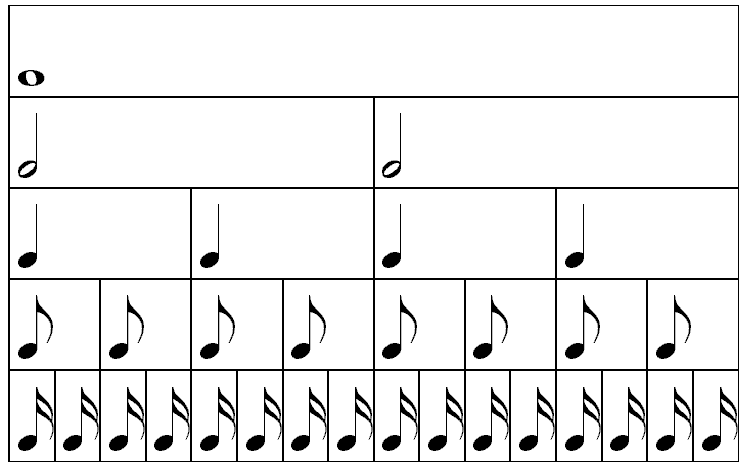
Rhythm is all about duration—how long each note is held. By combining notes of different lengths, composers create rhythmic patterns that can be simple and steady or complex and syncopated. This organization of time is fundamental to every musical style.
Form
Form is the blueprint of a piece of music. It's the overall structure and organization of all its different sections. Just as a book is organized into chapters, a piece of music is organized into sections that relate to each other.
Form
noun
The structure of a musical composition or performance.
Form relies on repetition, contrast, and variation. You might hear a section of music (let's call it A), followed by a different, contrasting section (B), and then a return to the first section (A). This common structure, called ABA form, gives the music a sense of balance and familiarity.
Recognizing the form helps you understand how a piece is put together and anticipate what might come next. It provides a roadmap for the listening experience.
These four elements are the foundation of virtually all the music you hear. As you continue your journey, you'll learn to hear how they interact to create the complex and beautiful art form we call music.