Foundations of Business Operations
Introduction to Business Operations
What Are Business Operations?
At its heart, business operations are all the activities that turn resources into goods or services for customers. It’s the engine of any company. Think about your morning coffee. Operations are the process of sourcing the beans, roasting them, packaging them, shipping them to the cafe, and then finally, the barista grinding the beans and brewing your cup.
operations management
noun
The administration of business practices to create the highest level of efficiency possible within an organization. It is concerned with converting materials and labor into goods and services as efficiently as possible to maximize the profit of an organization.
The main goal of operations management is to make this entire process both effective and efficient. Effective means the final product meets customer expectations. Your coffee tastes great. Efficient means it was made with the least amount of waste in time, money, and materials. The cafe didn't use twice as many beans as needed or take an hour to make your drink.
Every business, whether it's building cars, developing software, or running a hospital, relies on operations to function. It’s the practical, hands-on work of creating value.
Why Operations Matter
Solid operations are the foundation of a successful business. When processes run smoothly, customers are happy because they get what they want, when they want it, and at a quality they expect. This builds loyalty and a strong reputation.
On the flip side, poor operations can sink a company. Imagine an online store that frequently ships the wrong items or takes weeks to deliver. Customers won't return, and the business will fail. Efficient operations also directly impact profitability by keeping costs down. Wasted materials, inefficient use of employee time, and broken machinery all eat into profits.
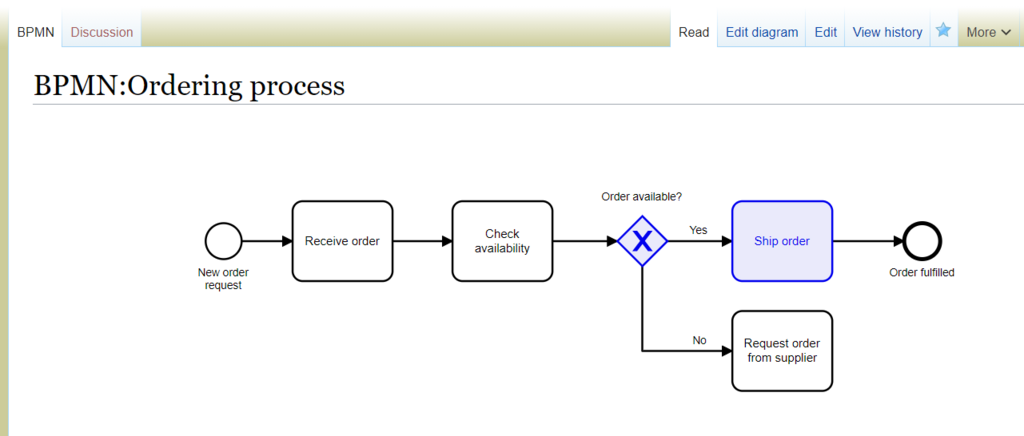
This isn't just about manufacturing. For a tech company, operations might involve managing servers to keep a website running or streamlining the code development process. For a consulting firm, it's about managing project timelines and staffing consultants effectively. Every industry has its own unique set of operational challenges.
The Bigger Picture
Operations doesn't exist in a vacuum. It works hand-in-hand with every other part of the business. The actions of one department directly affect the others, with operations often sitting at the center of it all.
Here’s how they connect:
-
Marketing & Sales: Marketing creates customer demand and makes promises about product quality and delivery times. Operations must fulfill those promises. If marketing advertises two-day shipping, the operations team needs a process that can actually pack and ship orders that quickly.
-
Finance: The finance department allocates a budget for equipment, raw materials, and staff. The operations team works within that budget to produce goods and services. When operations become more efficient, it lowers costs and increases the company's profitability, which is a primary concern for the finance team.
-
Human Resources: HR is responsible for hiring, training, and managing the people who perform the operational tasks. The needs of the operations team—like needing more workers during a busy season or employees with specific technical skills—drive HR's strategy.
-
Product Development: The team designing new products must work closely with operations to ensure the product can actually be built efficiently and at a reasonable cost. A brilliant design is useless if it's impossible to manufacture at scale.
A breakdown in communication between operations and any of these other areas can lead to major problems, like product shortages, budget overruns, or unhappy customers.
Now that you understand the basics of what operations are and why they're so critical, let's test your knowledge.
What are the two primary, guiding goals of operations management?
An e-commerce company advertises a 'next-day delivery' guarantee but frequently takes over a week to ship orders. This represents a failure to align which two departments?
Understanding these fundamentals is the first step. From here, you can explore the specific methods used to manage processes, control quality, and build resilient supply chains.