Foundations of Business Development
Introduction to Business Development
What is Business Development?
Business development, often shortened to BD, is all about creating long-term value for a company. It’s the process of identifying and pursuing opportunities to help a business grow. This value doesn't just come from making a quick sale. It comes from building strategic relationships, tapping into new markets, and finding new ways to reach customers.
Think of it like gardening. A gardener doesn't just throw seeds on the ground and hope for the best. They carefully prepare the soil, choose the right plants for the climate, and nurture them over time to ensure a healthy, sustainable harvest. Business development is similar. It's the strategic work of cultivating partnerships and opportunities that will bear fruit for years to come.
These skills are the scaffolding on which successful business development is built.
Not Just Sales or Marketing
It's common to confuse business development with sales or marketing, but they have distinct roles. While they are closely related and must work together, their goals and timelines are different. Marketing builds awareness and generates leads. Sales focuses on converting those leads into purchases. Business development lays the strategic groundwork for both.
Here's a simple breakdown of how their functions differ.
| Function | Goal | Timeframe | Key Activities |
|---|---|---|---|
| Marketing | Generate interest and awareness | Short to Medium-term | Advertising, content creation, social media |
| Sales | Convert leads into revenue | Short-term | Demos, negotiations, closing deals |
| Business Development | Create long-term growth opportunities | Long-term | Building partnerships, market analysis, strategic planning |
Imagine a company that makes software. Marketing runs online ads to tell people about the software. The sales team calls the people who sign up from those ads and sells them a subscription. The business development team, meanwhile, is negotiating a deal with a major hardware manufacturer to bundle their software with every new computer sold. The first two are about immediate results; the last one is about securing future growth.
Skills of a BD Professional
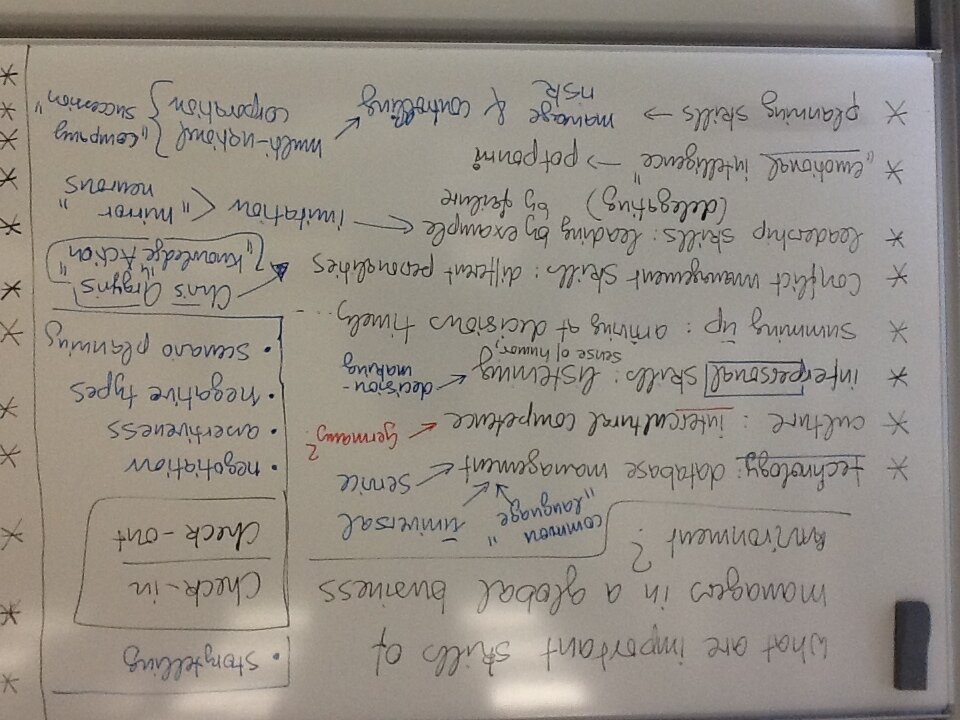
Successful business development professionals possess a unique blend of skills that allow them to see the big picture and build the connections to get there. It's not just about being a good talker. It's about being a strategic thinker.
They need to be excellent communicators, negotiators, and strategic thinkers who can identify opportunities that others might miss.
Key attributes include:
-
Strategic Thinking: This is the ability to analyze market trends, understand the competitive landscape, and identify potential areas for growth that align with the company's long-term goals. It’s about asking "Where are we going?" not just "What are we selling today?"
-
Relationship Building: BD is built on trust. Professionals need to create and maintain strong relationships with partners, clients, and stakeholders. This involves active listening, clear communication, and finding mutual benefits in every partnership.
-
Market Analysis: You can't find new opportunities without understanding the market. This skill involves researching industries, identifying customer needs, and sizing up potential new markets to enter.
-
Negotiation and Persuasion: Once an opportunity is identified, a BD professional needs to be able to negotiate terms and persuade potential partners of the value of a collaboration.
The Engine of Growth
Ultimately, the importance of business development lies in its direct impact on a company's ability to grow and thrive over the long haul. While sales and marketing are crucial for maintaining momentum, BD is the engine that pushes a company into new territory and ensures its future relevance.
By focusing on strategic partnerships and new markets, business development opens up revenue streams that wouldn't otherwise exist. It helps companies diversify, reducing their reliance on a single product or market. This foresight and planning can be the difference between a company that survives and one that leads its industry for years to come.
Let's test what you've learned about the fundamentals of business development.
What is the primary focus of business development?
A tech company's team is negotiating a deal to have their app pre-installed on a new line of smartphones. Which department is most likely leading this effort?
Understanding these core concepts is the first step in seeing how businesses create lasting value.