Foundations of Buddhist Practice
Introduction to Buddhism
The Prince Who Woke Up
Buddhism begins with a story about a prince named Siddhartha Gautama, who lived in a small kingdom in what is now Nepal around the 5th century BCE. His father, the king, wanted to shield him from all hardship. Siddhartha grew up in a palace surrounded by every imaginable luxury, completely unaware of the realities of aging, sickness, and death.
But a life of comfort couldn't last forever. As a young man, Siddhartha ventured outside the palace walls. For the first time, he saw what his father had hidden from him: an old man, a sick person, and a corpse. These sights, known as the Four Sights, shook him to his core. He realized that no amount of wealth or comfort could protect him from the suffering inherent in life. The fourth sight was a wandering ascetic, a holy man who had renounced worldly pleasures in search of spiritual truth. Inspired, Siddhartha knew he had to find a way to overcome suffering.
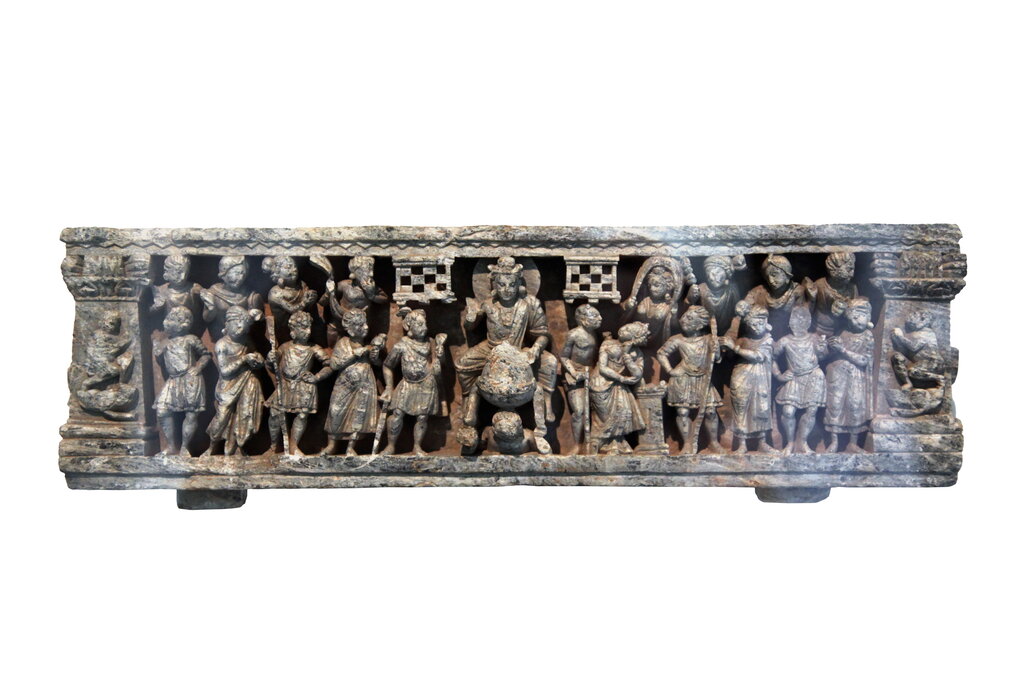
At age 29, he left his wife, his newborn son, and his royal life behind. For six years, he studied with different teachers and practiced extreme forms of self-denial, hoping to find an answer. He fasted until he was skin and bones, but enlightenment remained out of reach. He realized that neither a life of extreme luxury nor one of extreme hardship was the answer. The path to wisdom, he concluded, must lie somewhere in the middle.
He sat down to meditate under a large fig tree, later known as the Bodhi Tree, and vowed not to get up until he found the truth. After a profound period of meditation, he finally understood the nature of suffering and the way to end it. He had become the Buddha, which means “the awakened one.”
A Diagnosis for the Human Condition
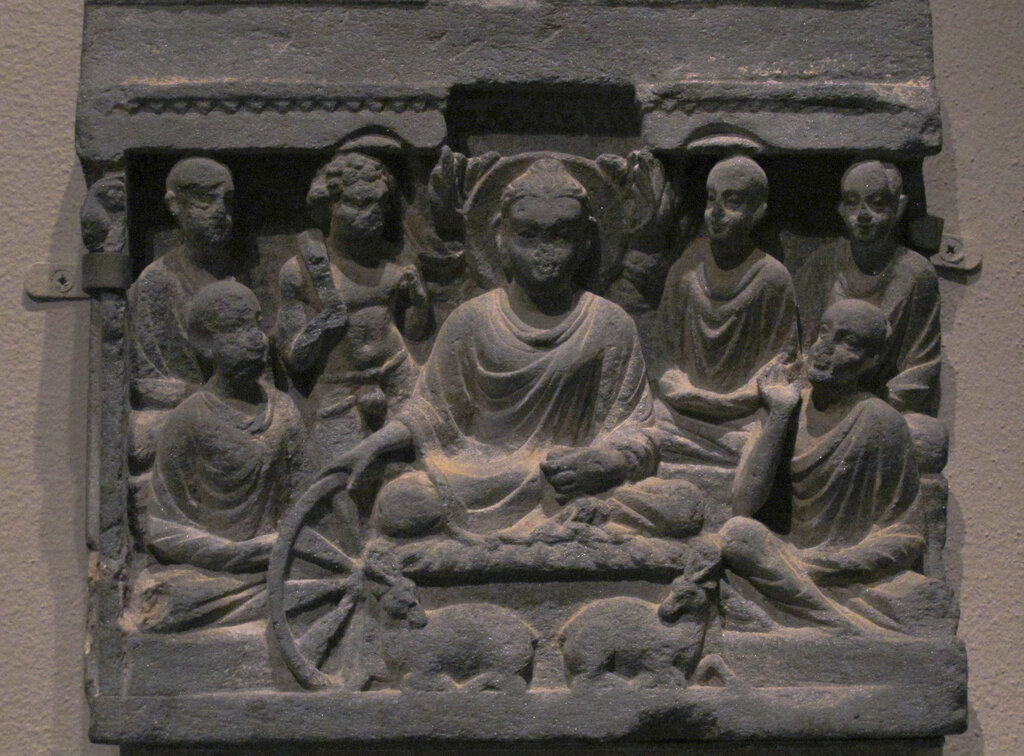
After his awakening, the Buddha traveled to a deer park in Sarnath, India, to share what he had learned. His first sermon laid out the foundation of all his teachings: the Four Noble Truths. These are often compared to a doctor's diagnosis.
The Four Noble Truths act like a medical framework: identifying the illness, its cause, the possibility of a cure, and the prescription to achieve it.
-
The Truth of Suffering (Dukkha). This is the symptom. Life inevitably involves suffering, or more accurately, dissatisfaction. It’s not just about big tragedies, but also the subtle feeling that things are never quite right—the constant wanting, the frustration, the stress.
-
The Truth of the Cause of Suffering (Samudāya). This is the diagnosis. The root of our dissatisfaction is craving, attachment, and aversion. We suffer because we cling to things we want, push away things we don't want, and are ignorant of the true nature of reality.
-
The Truth of the End of Suffering (Nirodha). This is the prognosis. The good news is that we can end this dissatisfaction. It’s possible to achieve a state of peace and liberation, known as Nirvana.
-
The Truth of the Path (Magga). This is the prescription. The way to end suffering is by following a practical set of guidelines called the Noble Eightfold Path.
The Path to Awakening
The Noble Eightfold Path isn't a series of steps you follow in order. Instead, it's eight interconnected practices that you cultivate together. They are often grouped into three categories: Wisdom, Ethical Conduct, and Mental Discipline.
| Category | Path Element | What It Means |
|---|---|---|
| Wisdom | Right Understanding | Seeing things as they truly are, not just as you wish they were. |
| Right Intention | Committing to ethical and mental self-improvement. | |
| Ethical Conduct | Right Speech | Speaking truthfully and kindly; avoiding lies, gossip, and harsh words. |
| Right Action | Acting in ways that don't cause harm to oneself or others. | |
| Right Livelihood | Earning a living in a way that is honest and peaceful. | |
| Mental Discipline | Right Effort | Cultivating positive states of mind and letting go of negative ones. |
| Right Mindfulness | Developing awareness of your body, feelings, and thoughts in the present moment. | |
| Right Concentration | Training the mind to focus without distraction. |
By developing these qualities, a person can begin to see reality clearly and break free from the cycle of dissatisfaction.
The Three Jewels
To guide them on this path, Buddhists traditionally take refuge in what are called the Three Jewels. These are the three pillars of the faith, the core things a Buddhist trusts and relies on for guidance.
- The Buddha: Not as a god, but as the example of an awakened human being. It represents the potential within everyone to achieve enlightenment.
- The Dharma: The teachings of the Buddha, including the Four Noble Truths and the Eightfold Path. It is the truth or the law of the universe.
- The Sangha: The community of fellow practitioners. This includes monks and nuns, but also the wider community of all people on the path, who support each other's practice.
These foundational ideas—the life of the Buddha, the Four Noble Truths, the Eightfold Path, and the Three Jewels—form the starting point for a journey of self-discovery and spiritual development that has been followed for over 2,500 years.