Foundations of Basic Education
Introduction to Basic Education
What Is Basic Education?
Basic education is the foundation upon which all other learning is built. It's the essential toolkit of knowledge and skills that everyone needs to navigate the world, understand information, and express themselves. This isn't just about the first few years of school; it's a lifelong bedrock.
Education
noun
The process of receiving or giving systematic instruction, especially at a school or university.
At its core, basic education focuses on three key areas: literacy, numeracy, and critical thinking. It equips individuals not just with facts to memorize, but with the ability to read, write, work with numbers, and, most importantly, to think for themselves. This foundation makes it possible to learn more complex subjects, develop professional skills, and participate fully in community life.
The Building Blocks
Literacy and numeracy are the twin pillars of basic education. They are much more than academic subjects.
Literacy is the ability to read and write. It's the key that unlocks access to information, from news articles and health guidelines to literature and legal documents. Being literate means you can communicate your ideas clearly, understand the thoughts of others, and engage with the world on a deeper level.
Reading allows us to stand on the shoulders of giants, learning from the accumulated wisdom of human history.
Numeracy, on the other hand, is the ability to understand and work with numbers. This isn't just about solving equations in a classroom. It’s about practical, everyday skills. Numeracy helps you manage a budget, understand statistics in a news report, measure ingredients for a recipe, or calculate the time needed to get to an appointment. It's the language of logic and problem-solving.
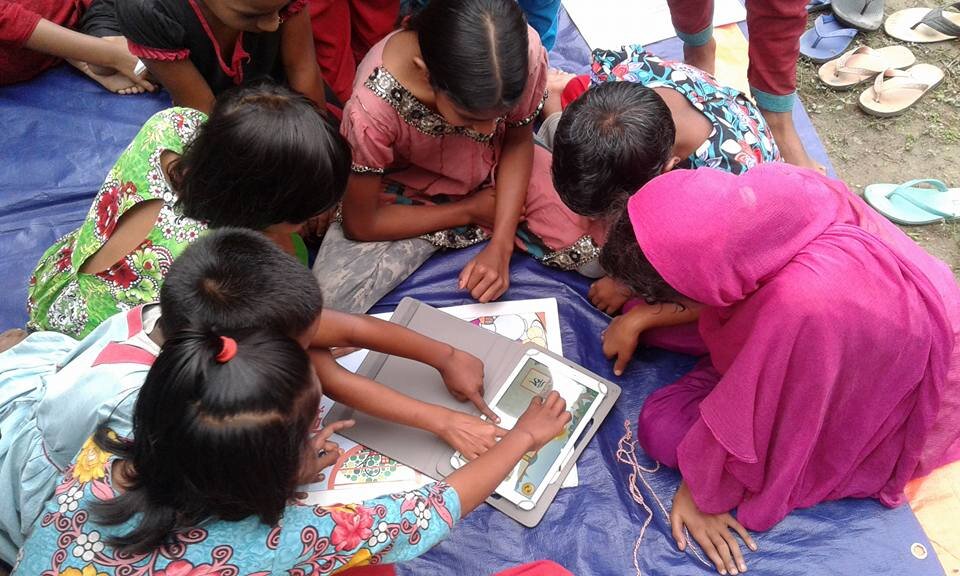
Together, these skills provide the framework for understanding and interacting with the world.
More Than Just Schooling
The true value of basic education extends far beyond the classroom. It's a catalyst for personal development. When people gain foundational skills, they also build confidence and self-reliance. The ability to read a contract, help a child with homework, or understand public issues is empowering.
Furthermore, a strong basic education nurtures critical thinking. It teaches us to question, analyze, and evaluate information rather than accepting it at face value. It's the difference between simply knowing a fact and understanding why it's true, how it connects to other ideas, and what its implications are. This skill is essential for making informed decisions, from personal choices to civic duties.
A Foundation for Society
The impact of basic education ripples outward, from the individual to the entire community. A society where citizens are literate and numerate is more prosperous, stable, and innovative. When people have foundational skills, they can secure better jobs, contribute to the economy, and adapt to new technologies.
Economic growth is closely linked to the educational level of a population. Businesses need a skilled workforce, and innovation thrives where people can share and build upon complex ideas. Moreover, education is essential for active citizenship. It allows people to understand their rights and responsibilities, engage in public discourse, and hold leaders accountable. It creates a more informed and participatory society.
Education has long been a cornerstone of societal progress.
Universal access to quality basic education is recognized globally as not just a goal, but a fundamental human right and a prerequisite for achieving broader development objectives, from public health to environmental sustainability.
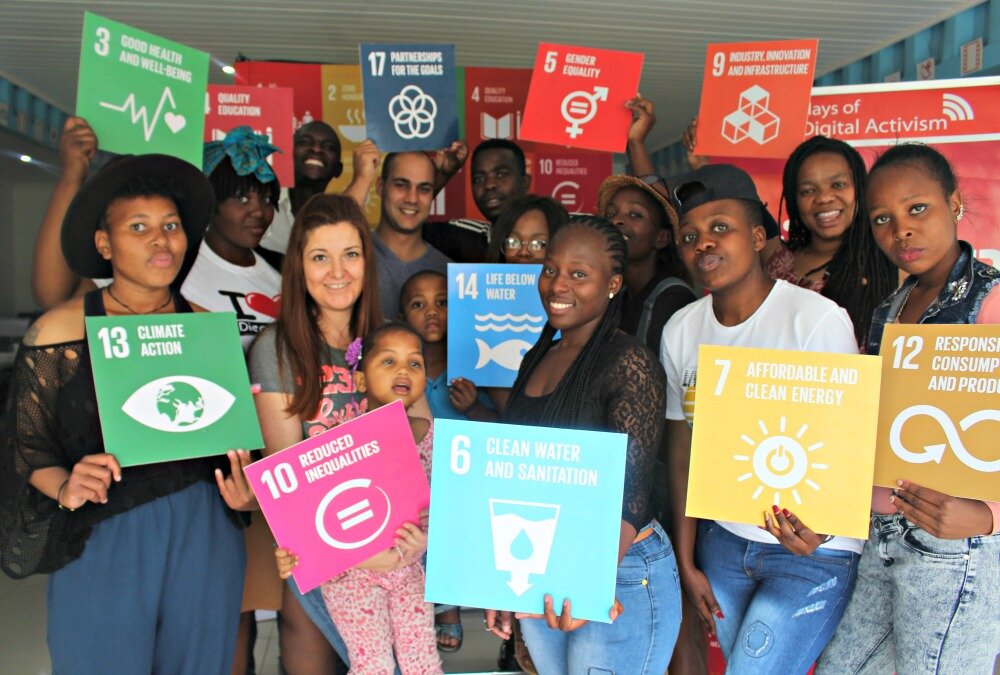
Let's review the core concepts we've covered.
Now, test your knowledge on the importance of these foundational skills.
What are the three key areas that basic education primarily focuses on?
Numeracy is primarily about solving complex mathematical equations in a classroom setting.
Ultimately, basic education is about unlocking human potential. It provides the essential tools that empower individuals and, in turn, build stronger societies.