Foundations of Artificial Intelligence
Introduction to Artificial Intelligence
What Is Artificial Intelligence?
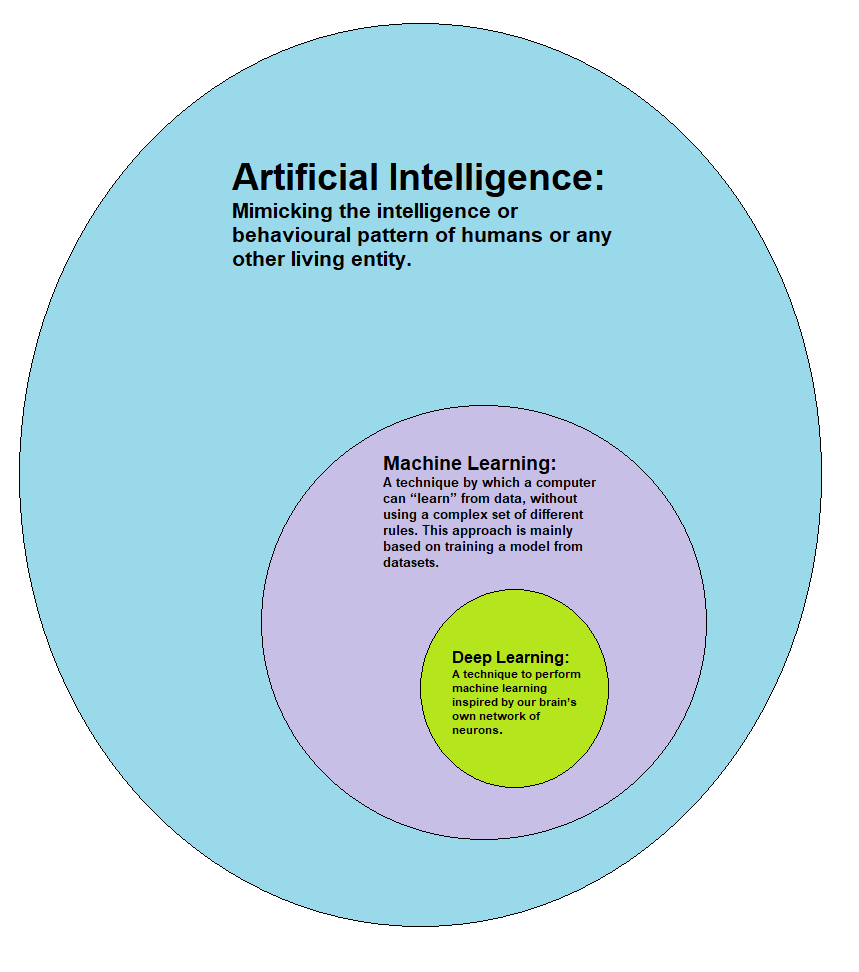
At its core, Artificial Intelligence (AI) is about building smart machines. It's a broad field of computer science focused on creating systems that can perform tasks that typically require human intelligence. This includes things like learning from experience, understanding language, recognizing objects in images, and making decisions.
Think of it this way: instead of programming a computer with a rigid set of instructions for every possible scenario, AI allows the computer to figure things out for itself.
Artificial Intelligence
noun
A field of computer science dedicated to creating systems capable of performing tasks that normally require human intelligence, such as visual perception, speech recognition, decision-making, and translation between languages.
This ability to learn and adapt is what makes AI so powerful. Early computer programs were very literal. A chess program, for example, would follow rules programmed by humans. An AI-powered chess program, however, learns by playing millions of games, discovering strategies that no human ever considered.
A Brief History of AI
The dream of intelligent machines is ancient, but the scientific pursuit of AI began in the 1950s. The field was officially born at a summer workshop at Dartmouth College in 1956, where the term "Artificial Intelligence" was coined. Early researchers were optimistic, believing that a machine as intelligent as a human being was just a few decades away.
Progress was slower than expected. The initial excitement gave way to a period known as the "AI winter" in the 1970s and 80s, when funding dried up because the technology couldn't live up to the hype. Computers weren't powerful enough, and they didn't have enough data to learn from.
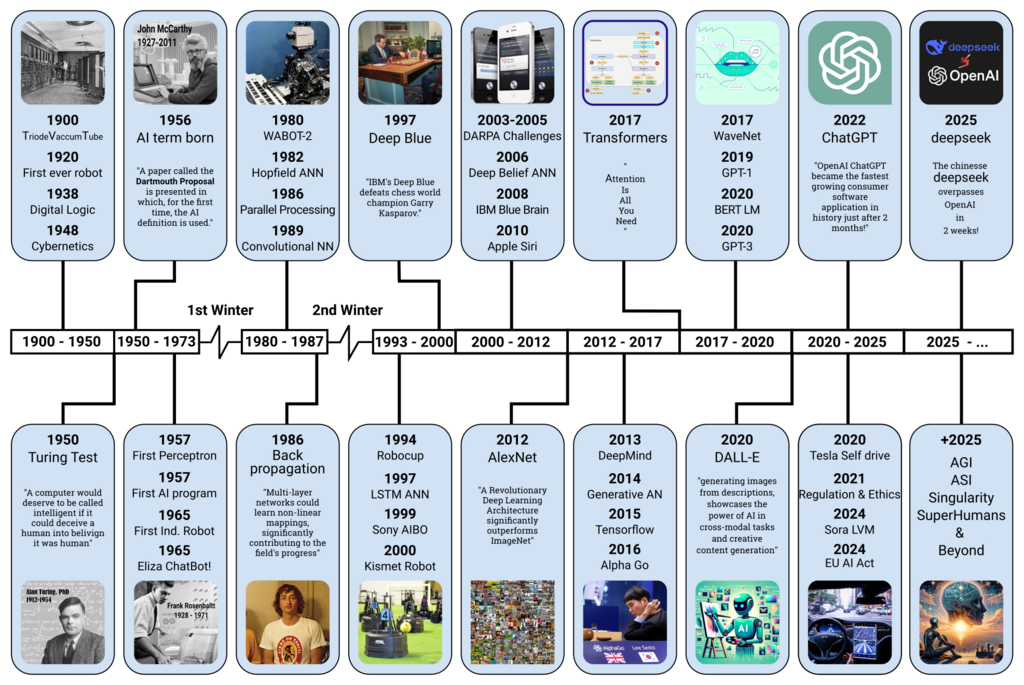
Things started to change in the 1990s and 2000s. A key shift was the rise of machine learning. Instead of trying to write rules for intelligence, researchers created algorithms that could learn patterns from large amounts of data. This approach, combined with the explosion of the internet and massive increases in computing power, fueled the AI revolution we see today.
Milestones like IBM's Deep Blue defeating chess champion Garry Kasparov in 1997 showed the world what was possible. More recently, the development of deep learning and generative AI has led to systems that can create art, write sophisticated text, and even help discover new medicines.
AI in the Real World
Today, AI is not just a subject of science fiction; it's a part of our daily lives. From the recommendation engines that suggest what to watch next on streaming services to the navigation apps that find the fastest route home, AI is working behind the scenes. Its significance spans nearly every industry.
| Industry | Application of AI |
|---|---|
| Healthcare | Analyzing medical images like X-rays to detect diseases earlier. |
| Finance | Detecting fraudulent transactions in real-time. |
| Transportation | Developing self-driving cars and optimizing traffic flow. |
| Entertainment | Personalizing content recommendations and creating special effects. |
| Retail | Managing inventory and providing personalized shopping experiences. |
| Manufacturing | Using robots to assemble products and predict maintenance needs. |
The impact of AI is profound because it helps us make sense of the vast amount of data in our world. By identifying patterns and making predictions, AI can help solve complex problems, increase efficiency, and open up new possibilities for creativity and discovery. As the technology continues to evolve, its role in shaping our future will only grow.
What is the core focus of the field of Artificial Intelligence?
The term "Artificial Intelligence" was officially coined at a 1956 workshop held at which institution?
This introduction provides the basic building blocks for understanding what AI is and where it came from. With this foundation, you're ready to explore the specific ways AI works.