Foundations of Artificial Intelligence
Introduction to Artificial Intelligence
What Is Artificial Intelligence?
Artificial intelligence, or AI, is the science of making machines smart. It's a broad field of computer science focused on building systems that can perform tasks that usually require human intelligence. This includes things like learning from experience, understanding language, recognizing objects, solving problems, and making decisions.
At its core, AI is about creating software that can reason, learn, and act autonomously.
When you think of AI, you might picture futuristic robots from movies. While that's part of the long-term vision for some, most AI today isn't walking around. It's the software that recommends movies on your streaming service, the voice assistant on your phone that answers questions, and the technology that helps your email app filter out spam. It works by finding patterns in huge amounts of data, learning from them, and then using that knowledge to make predictions or decisions.
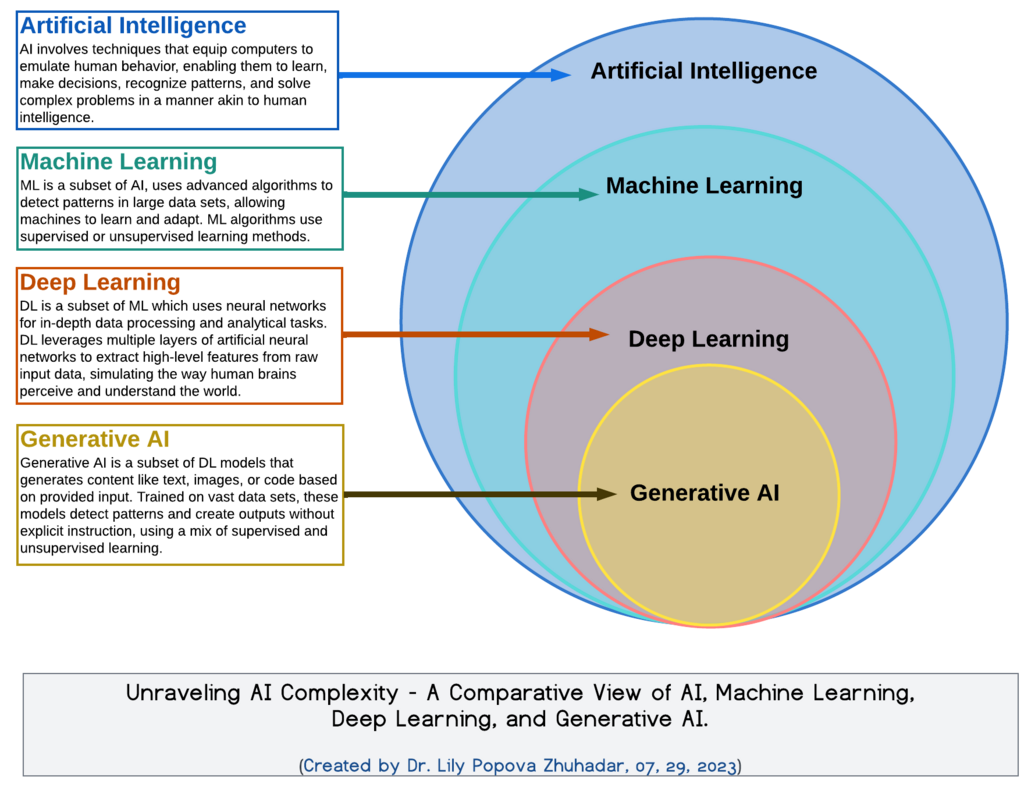
The goal isn't necessarily to replicate the human mind perfectly. Instead, it's about creating tools that can extend our own abilities, automating complex tasks and helping us find solutions to challenging problems.
A Brief History of AI
The dream of creating artificial beings with intelligence is ancient, appearing in myths and stories for centuries. However, the scientific journey of AI began in the mid-20th century, alongside the invention of the modern computer.
1956: Dartmouth Conference: Official birth of AI as a field of study, coining the term “Artificial Intelligence.”
Early researchers were incredibly optimistic, believing that a machine with human-like intelligence was just a few decades away. They developed programs that could solve algebra problems and play checkers. But progress was slower than expected. The computers of the time weren't powerful enough, and the problems turned out to be much harder than anticipated. This led to periods known as "AI winters," when funding dried up and public interest faded.

Things began to change dramatically in the 2000s. Two key factors created a perfect storm for an AI renaissance: the availability of massive amounts of data from the internet, and the development of much more powerful computers. These ingredients allowed a technique called machine learning to flourish, leading to the breakthroughs we see today.
Why AI Matters
Artificial intelligence is no longer just a subject of academic research; it's a powerful force reshaping our world. Its importance comes from its ability to process and understand data at a scale and speed far beyond human capability.
In healthcare, AI helps doctors diagnose diseases earlier and more accurately by analyzing medical images like X-rays and MRIs. It also speeds up the process of discovering new drugs. In finance, AI systems monitor transactions in real time to detect and prevent fraud.
Transportation is being transformed by the development of self-driving cars, which use AI to perceive their environment and navigate safely. In retail, AI powers the recommendation engines that suggest products you might like, creating a more personalized shopping experience. And in entertainment, it's behind everything from the curated playlists on your music app to the special effects in blockbuster movies.
From small conveniences to major scientific discoveries, AI is becoming an essential tool for progress and innovation in nearly every field.
Now, let's test your understanding of these core concepts.
What is the primary focus of artificial intelligence?
In the history of AI, what does the term "AI winter" refer to?
This was just a brief introduction to the vast and exciting world of artificial intelligence. You now have a foundational understanding of what AI is, where it came from, and why it's so important today.