Foundations of Ancient Civilizations
Introduction to Ancient Civilizations
What Makes a Civilization?
When we hear the word “civilization,” we might think of grand empires or bustling ancient cities. But what exactly turns a group of people into a civilization? It’s not just about population size. It’s about how a society organizes itself.
Civilization
noun
A complex human society, in which people live in groups of settled dwellings, that has a high level of cultural and technological development.
Historians look for a few key ingredients. First are cities, which serve as centers for trade, government, and culture. With cities comes job specialization. Instead of everyone farming, some people become artisans, priests, or soldiers. This creates a more complex social structure.
To manage this complexity, societies develop institutions like government and religion. They also need a way to keep track of things, like trade and laws, which leads to another crucial development: writing. Finally, civilizations are marked by their advanced technology, from new farming techniques to impressive construction.
| Characteristic | Description |
|---|---|
| Cities | Dense population centers for trade and culture. |
| Specialized Labor | People have specific jobs beyond farming. |
| Complex Institutions | Organized government, religion, and economy. |
| Record Keeping | Systems of writing to track laws, trade, and history. |
| Advanced Technology | New tools and techniques to solve problems. |
The Lay of the Land
Geography is destiny, especially for early civilizations. Where a society emerged had a massive impact on its development. Look at the world’s first civilizations, and you’ll find a common thread: rivers.
Mesopotamia had the Tigris and Euphrates. Egypt had the Nile. The Indus Valley civilization grew along the Indus River, and early Chinese society flourished on the banks of the Yellow River. These rivers were lifelines. They provided a reliable source of water for drinking and irrigation. Their annual floods deposited rich, fertile silt, making the land perfect for farming. Abundant food meant populations could grow and settle in one place, paving the way for cities.
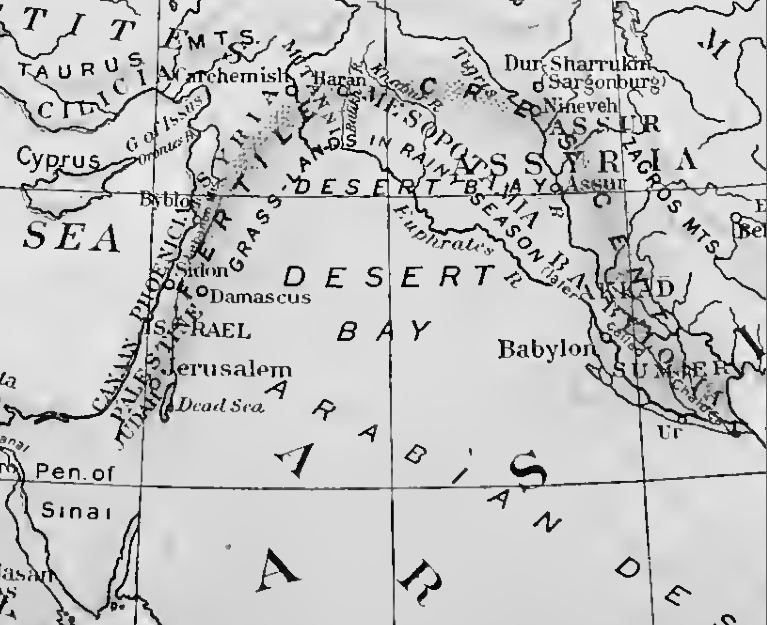
Rivers weren't just for farming. They were also the highways of the ancient world, connecting settlements and making trade possible.
But geography wasn't just about rivers. Natural barriers like mountains and deserts could protect a civilization from invasion, allowing it to develop in relative peace. Access to resources like stone, metal, and timber also shaped a society's technology and art.
A Tour of Ancient Worlds
Ancient civilizations sprang up independently all over the globe, each with its own unique character. In Mesopotamia, city-states like Ur and Babylon pioneered writing with cuneiform script. Ancient Egypt, united by the Nile, is famous for its pharaohs, pyramids, and hieroglyphs.
In South Asia, the Indus Valley Civilization built meticulously planned cities like Mohenjo-Daro, complete with advanced drainage systems. Farther east, early Chinese dynasties along the Yellow River established long-lasting political traditions and a complex writing system. In Europe, Ancient Greece gave us democracy and philosophy, while Rome built a vast empire known for its engineering and law. The Americas were also home to remarkable civilizations, such as the Maya, Aztec, and Inca, who built stunning cities and developed complex calendars and agricultural systems without the use of wheeled vehicles or large domesticated animals.
Each of these societies left a lasting legacy. Their innovations in government, science, art, and philosophy created the foundations for the world we live in today.
Studying ancient civilizations helps us understand the roots of modern society.
Ready to test your knowledge on the basics of civilization?
According to historians, which of the following is NOT a key characteristic required to classify a society as a civilization?
What geographical feature was most crucial for the development of the earliest civilizations in Mesopotamia, Egypt, the Indus Valley, and China?
Understanding these core concepts gives us a framework for exploring the unique stories and achievements of each ancient civilization in more detail.