Foundations of American History
European Colonization
Why Cross the Ocean?
In the late 15th century, Europe was buzzing with a new energy. Powerful kingdoms like Spain, France, and England were competing for dominance. They wanted new sources of wealth and new trade routes to Asia to bypass the overland paths controlled by rivals. This drive was often summarized as "God, Gold, and Glory."
Gold stood for the desire for riches, whether actual gold and silver or valuable resources like spices, silk, and furs. Glory represented the quest for national prestige and power; a larger empire meant a stronger nation on the world stage. God referred to the religious zeal to spread Christianity, particularly after the Protestant Reformation intensified rivalries between Catholic and Protestant nations.
Advances in navigation, cartography, and military technology enabled Europeans to establish overseas colonies and empires.
These motivations fueled an age of exploration. When Columbus landed in the Americas in 1492, he didn't find a new route to India, but he opened up two continents to European conquest and settlement. The race to claim a piece of this "New World" was on.
New Empires, New Rules
The major European powers established colonies with distinct characteristics and goals.
The Spanish were first. They focused on Central and South America, as well as modern-day Florida and the American Southwest. Their main goals were extracting mineral wealth, especially silver, and converting Native Americans to Catholicism. They established a rigid social hierarchy with Spanish-born nobles at the top and imposed systems of forced labor like the encomienda system.
The French primarily settled in present-day Canada and the Mississippi River Valley. Their colonial economy revolved around the lucrative fur trade. This required cooperation with Native American tribes, so the French often formed alliances and integrated into existing trade networks. Their settlements tended to be smaller, consisting of forts and trading posts rather than large, permanent towns.
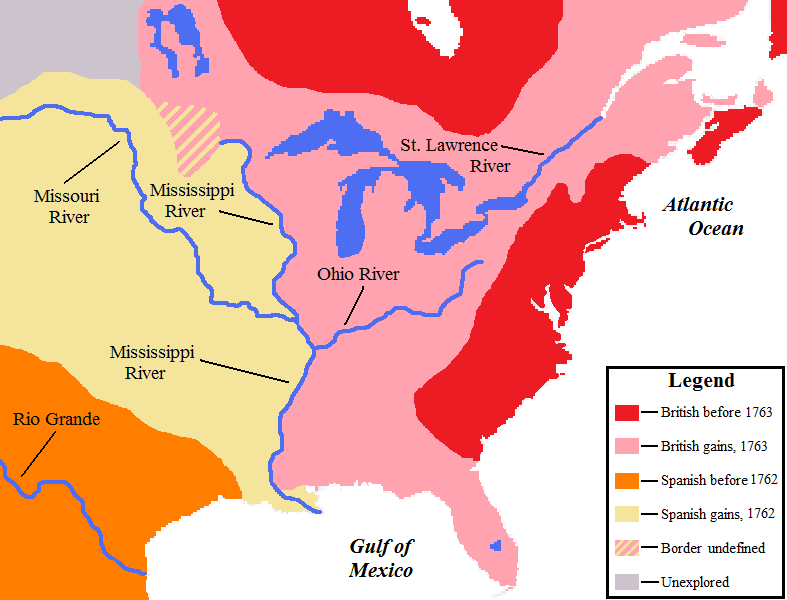
The British, arriving later, established colonies along the Atlantic coast. Their motivations were diverse. Some, like Jamestown in Virginia, were commercial ventures seeking profit from cash crops like tobacco. Others, like Plymouth and Massachusetts Bay, were founded by religious dissenters like the Pilgrims and Puritans seeking to escape persecution in England. Unlike the French and Spanish, the English encouraged large-scale migration and settlement, creating agricultural societies that steadily expanded into Native lands.
A Clash of Worlds
The arrival of Europeans was catastrophic for the millions of Native Americans already living on the continent. Initial interactions were sometimes peaceful, based on trade and curiosity. However, conflict was inevitable.
Europeans and Native Americans had fundamentally different concepts of land ownership. Europeans saw land as a commodity to be bought, sold, and privately owned. For Native tribes, land was a communal resource for all to use. This misunderstanding led to constant disputes and wars as settlers pushed further west.
The most devastating impact, however, was biological. Europeans unknowingly brought diseases like smallpox and measles, to which Native populations had no immunity. These epidemics wiped out entire communities, sometimes killing up to 90% of the population in a given area. This immense loss of life crippled tribes' ability to resist colonial expansion.
While some relationships were built on trade and alliance, the overarching story of colonization is one of displacement, conflict, and demographic collapse for Indigenous peoples.
The Colonial Machine
European powers organized their colonial economies around an idea called mercantilism. This theory held that there was a finite amount of wealth in the world, and the goal of a nation was to accumulate as much of it as possible, usually in the form of gold and silver. Colonies were essential to this system.
Under mercantilism, a colony's purpose was to serve the mother country. The colonies would ship raw materials—timber from New England, tobacco from Virginia, sugar from the Caribbean—to Europe. In return, the colonists were expected to buy manufactured goods from the mother country. This system ensured that wealth flowed from the colonies to Europe.
This network grew into the transatlantic trade, often called the Triangle Trade. A ship might leave England with manufactured goods, trade them in Africa for enslaved people, transport the enslaved across the brutal Middle Passage to the Americas, and then sell them for raw materials to take back to England. This horrific system generated immense profits for European merchants and fueled the growth of the colonies, all built on the foundation of coerced labor.
Colonial societies were highly stratified. In British colonies, a wealthy elite of large landowners and merchants dominated politics and society. Below them were small farmers, artisans, and laborers. At the very bottom were enslaved Africans, who were considered property and had no rights. Governance varied, but most colonies had a governor appointed by the king and a locally elected assembly, which created an early tradition of self-rule—a tradition that would later fuel calls for independence.
The European colonial power that primarily established settlements in Canada and the Mississippi River Valley, focusing on the fur trade and forming alliances with Native Americans, was:
What was the primary purpose of a colony under the economic theory of mercantilism?
These early patterns of settlement, conflict, and economic development created the complex societies that would eventually break away from British rule and form the United States.