Foundations of American English from Italian
Alphabet and Greetings
The English Alphabet
The English alphabet has 26 letters. Many will look familiar, but some sounds are quite different from Italian. Let's start by looking at all the letters together.
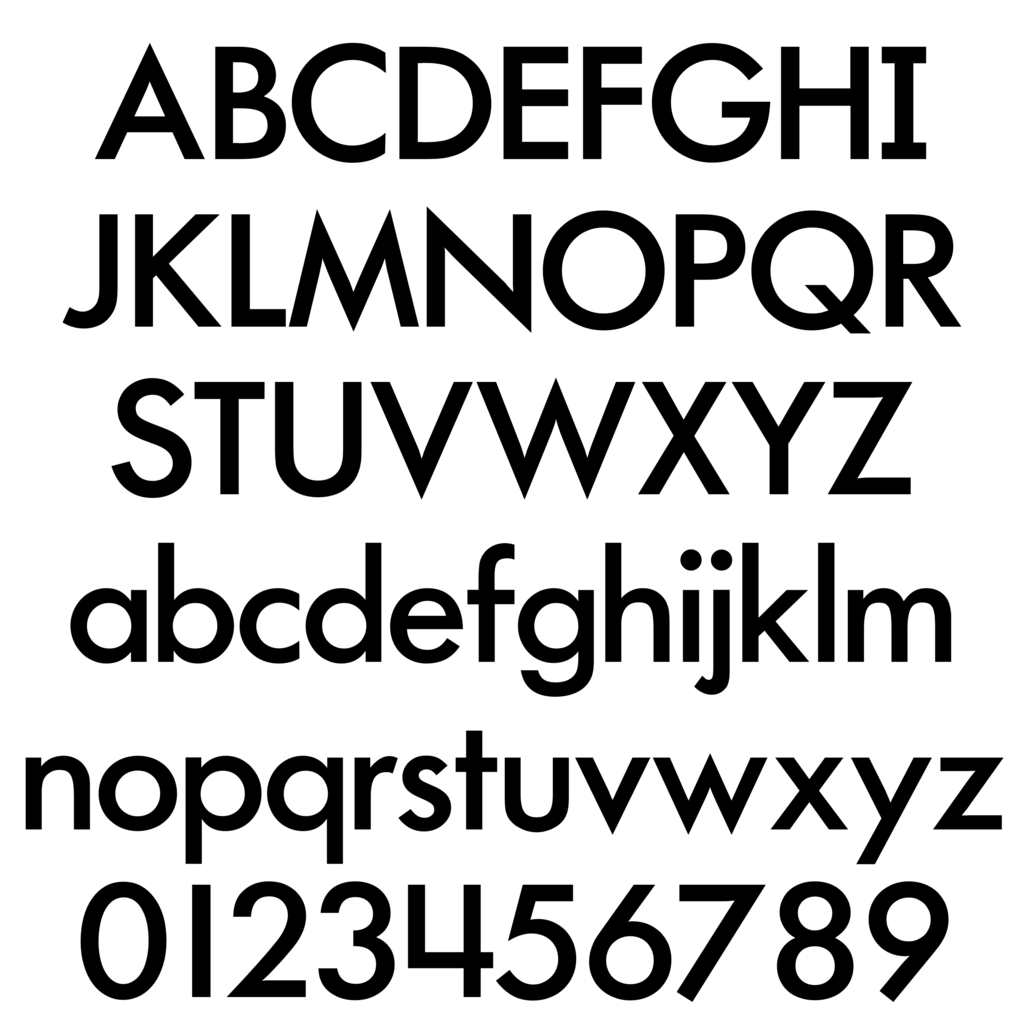
Like in Italian, the alphabet is divided into vowels and consonants. The vowels are A, E, I, O, U. All the other letters are consonants.
While many letters sound similar to Italian, a few can be tricky for native speakers. Let's focus on those.
| Letter | Example Word | Pronunciation Tip for Italian Speakers |
|---|---|---|
| H | hello | Pronounced with a puff of air, unlike the silent Italian 'h'. |
| J | jump | Sounds like the 'gi' in gioco or giallo. |
| W | water | A quick 'u' sound, similar to the 'u' in uovo. |
| TH | the, three | This sound doesn't exist in Italian. Place your tongue between your teeth and blow air. |
Saying Hello
Now that we've seen the alphabet, let's learn the first thing you need for any conversation: greetings. 'Hello' is a great start, but there are many ways to greet someone.
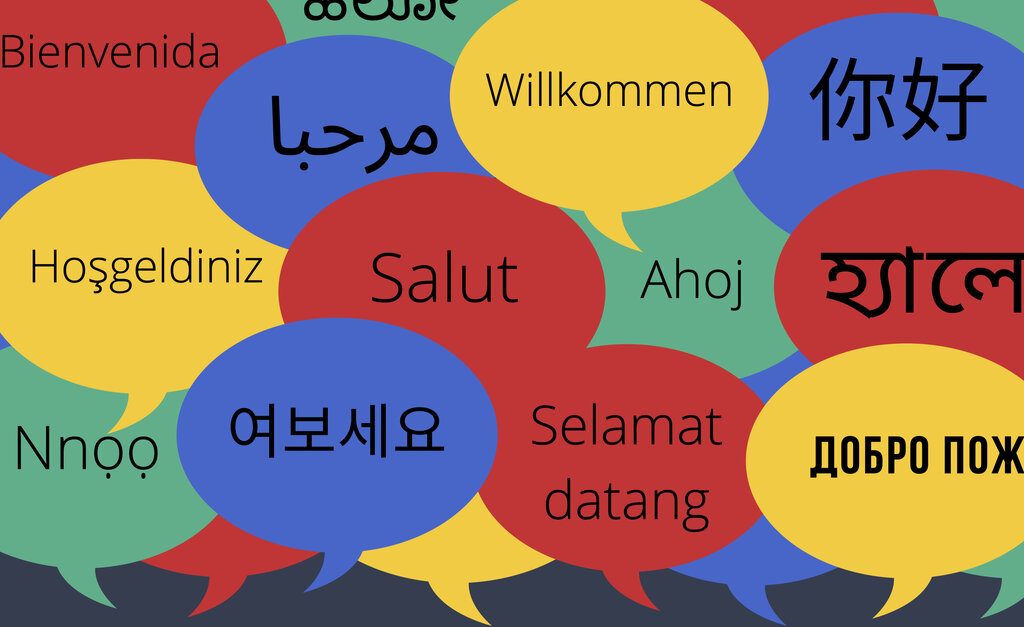
Here are the most common greetings. Notice how some change depending on the time of day.
Ciao / Salve
'Hello' is a standard greeting that can be used at any time of day, in any situation, formal or informal.
Ciao
'Hi' is a more casual and informal version of 'Hello'. It's very common among friends and in relaxed settings.
Buongiorno
Use this greeting from the morning until noon (12:00 PM).
Buon pomeriggio
This is used from noon until around 5:00 or 6:00 PM.
Buonasera
Use this greeting for the rest of the evening, after about 6:00 PM.
Asking How Someone Is
After greeting someone, it's polite to ask how they are. The most common way to do this is by asking 'How are you?'
Come stai? / Come sta?
Here are a few standard responses:
| English Response | Italian Equivalent |
|---|---|
| I'm fine, thank you. | Sto bene, grazie. |
| I'm good, thanks. | Sto bene, grazie. (More casual) |
| Not bad. | Non c'è male. |
| Very well, thanks. | Molto bene, grazie. |
It is also polite to ask the other person how they are in return. You can do this by adding, 'And you?'
Person A: Hello, how are you? Person B: I'm fine, thank you. And you? Person A: I'm good, thanks!
Let's test what you've learned about the alphabet and basic greetings.
How many letters are in the English alphabet?
Which of these groups contains only vowels?
Great work. Mastering these fundamentals is the first major step in learning English.