Foundations of AI Theory
Introduction to Artificial Intelligence
What Is Artificial Intelligence?
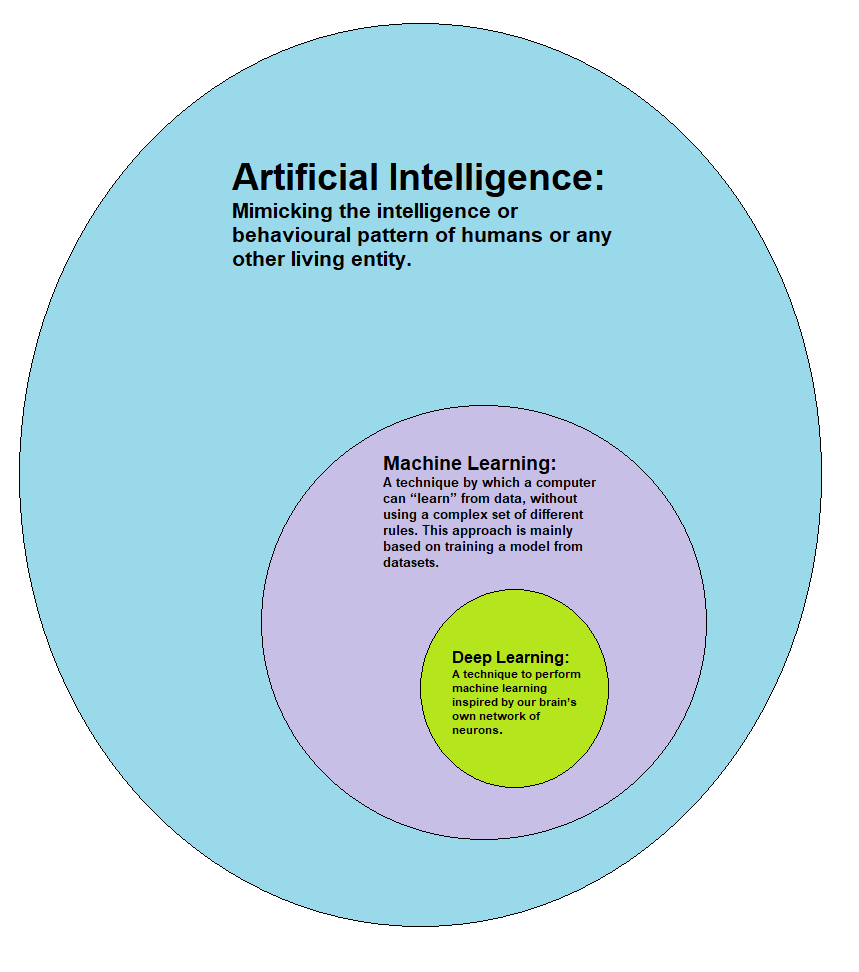
At its core, artificial intelligence (AI) is about creating computer systems that can perform tasks that usually require human intelligence. This includes things like learning from experience, solving problems, understanding language, and recognizing objects in images.
Think of it like teaching a computer. Instead of giving it a rigid set of instructions for every single possibility, you give it the ability to learn patterns and make decisions on its own. It's the difference between a simple calculator that only follows programmed rules and a system that can learn to play chess by analyzing thousands of games.
This introduction to this special issue discusses artificial intelligence (AI), commonly defined as “a system’s ability to interpret external data correctly, to learn from such data, and to use those learnings to achieve specific goals and tasks through flexible adaptation.”
This ability to learn and adapt is what makes AI so powerful. It allows machines to tackle complex problems in a more flexible and human-like way.
A Quick Trip Through Time
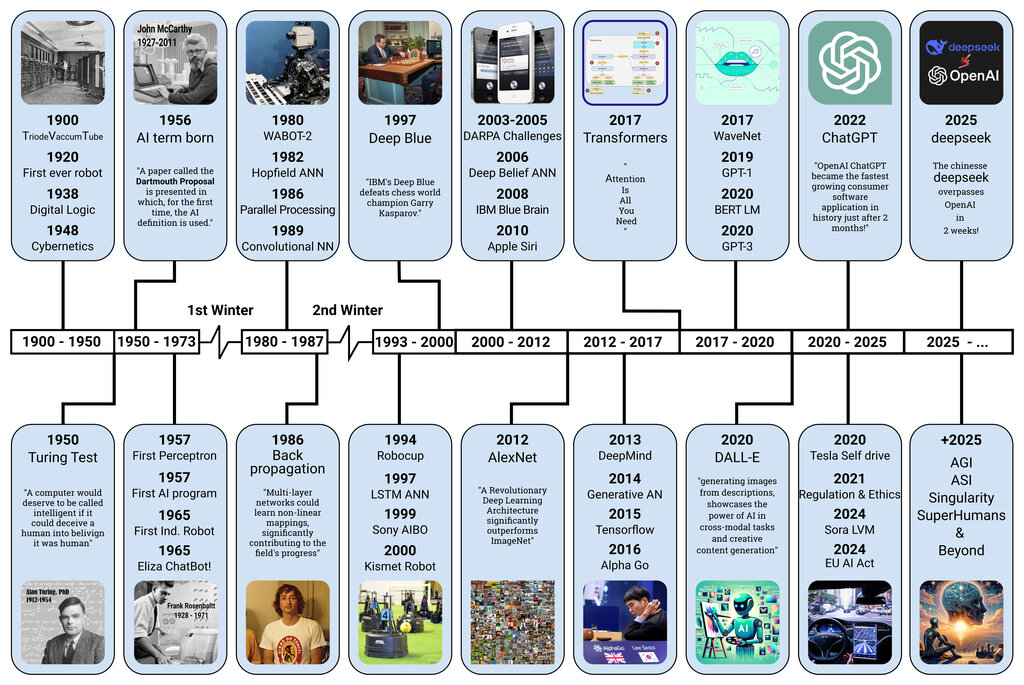
The dream of intelligent machines has been around for centuries, but the formal field of AI research began in the mid-20th century. A pivotal moment was the Dartmouth Workshop in 1956, where the term "artificial intelligence" was officially coined.
The early years were filled with optimism. Researchers created programs that could solve algebra problems and prove theorems. But progress was slower than expected, leading to periods known as "AI winters," when funding and interest dried up due to unfulfilled promises.
Things began to change with the rise of machine learning in the 1980s and 90s, fueled by more powerful computers and access to large amounts of data. This shift led to major breakthroughs, like IBM's Deep Blue defeating chess champion Garry Kasparov in 1997. In the last two decades, advancements in deep learning have accelerated progress, leading to the sophisticated AI we see today.
The Many Faces of AI
AI isn't a single technology; it's a broad field with many specialized areas. Understanding these subfields helps clarify what AI can do.
Here are some of the most important subfields:
| Subfield | What It Is | Real-World Example |
|---|---|---|
| Machine Learning (ML) | Systems that learn from data to make predictions or decisions without being explicitly programmed. | Your email's spam filter learning to identify junk mail. |
| Natural Language Processing (NLP) | Enabling computers to understand, interpret, and generate human language. | Voice assistants like Siri or Alexa understanding your commands. |
| Computer Vision | Training computers to interpret and understand visual information from the world. | Your phone unlocking when it recognizes your face. |
| Robotics | Designing and building robots that can perform tasks in the physical world. | Autonomous vacuum cleaners navigating your home. |
AI in the Real World
AI is no longer just a concept in science fiction. It's a practical tool that is transforming nearly every industry.
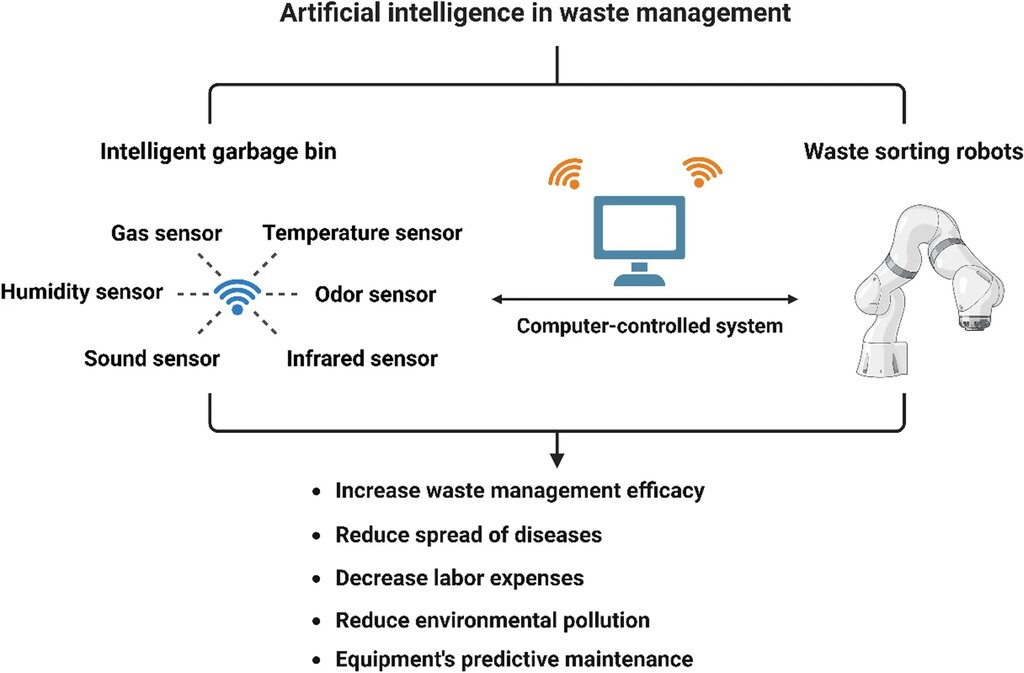
In healthcare, AI helps doctors diagnose diseases earlier and more accurately by analyzing medical images like X-rays and MRIs. In finance, it powers fraud detection systems, flagging suspicious transactions in real time to protect your accounts.
Your favorite streaming service uses AI to recommend movies and shows you might like, based on what you've watched before. E-commerce sites use it to suggest products, and navigation apps use it to find the fastest route by analyzing live traffic data. From agriculture to manufacturing, AI is making processes more efficient and creating new possibilities.
Let's review the key terms we've covered.
Now, check your understanding of these fundamental ideas.
What is the core concept of artificial intelligence?
Where was the term 'artificial intelligence' officially coined?
This foundational knowledge sets the stage for exploring the more specific ways AI is built and used. By understanding its history and different branches, you can better appreciate the technology that is rapidly shaping our world.