Foundations of AI Literacy
Introduction to Artificial Intelligence
What Is Artificial Intelligence?
Artificial intelligence is the science of making machines that can think and learn like humans. It's about creating systems that can perform tasks that normally require human intelligence, such as understanding language, recognizing patterns, and solving problems.
Artificial Intelligence
noun
A field of computer science dedicated to creating systems capable of performing tasks that typically require human intelligence.
At its core, AI aims to simulate our own cognitive functions. The goal isn't just to make a machine follow a set of pre-programmed instructions, but to enable it to process information, adapt to new inputs, and improve its performance over time. Think of it as teaching a computer to fish, rather than just giving it a fish.
A Brief History
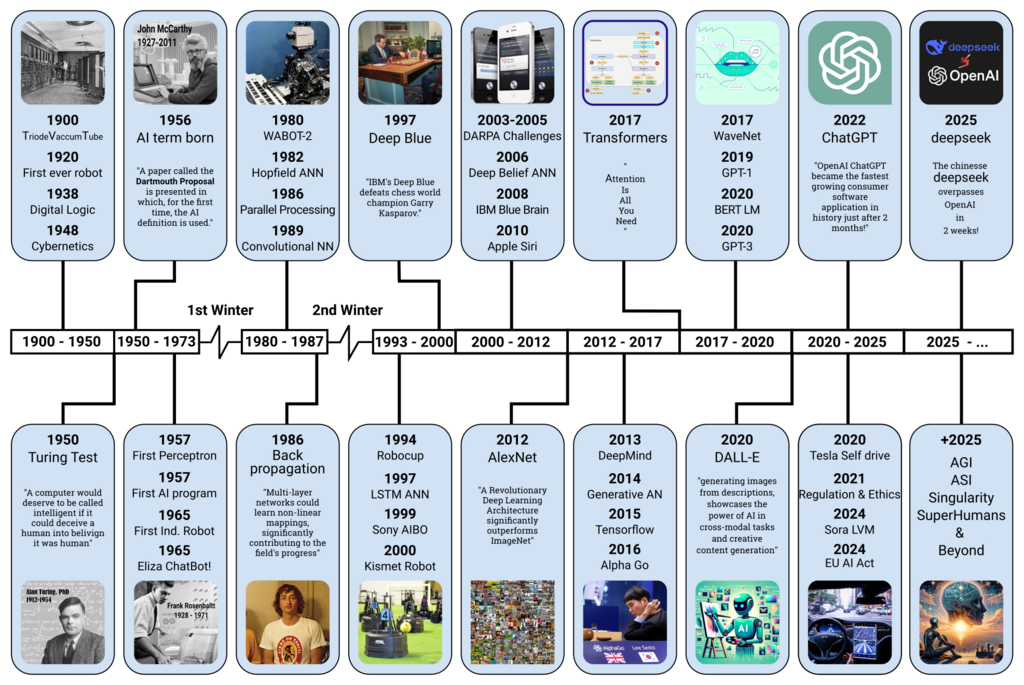
The dream of intelligent machines has been around for centuries, but the formal field of AI research began in the summer of 1956 at a workshop at Dartmouth College. Early researchers were incredibly optimistic, believing that a machine as intelligent as a human being would exist in just a few decades.
Progress was slower than expected. The initial excitement was followed by periods of reduced funding and interest known as "AI winters." The challenges of creating true intelligence were far greater than first imagined.
In recent years, AI has experienced a massive resurgence. This boom is fueled by two key factors: the availability of vast amounts of data and the development of powerful computers that can process it all. These advancements have allowed AI to move from academic theory to practical tools we use every day.
Two Kinds of AI
When people talk about AI, they're usually referring to one of two broad categories: Narrow AI or General AI.
Artificial Narrow Intelligence (ANI), sometimes called Weak AI, is designed to perform a single, specific task. This is the only type of AI that exists today. Your smart assistant, the algorithm that recommends movies, and the software that recognizes faces in photos are all examples of ANI. They can be incredibly good at their one job, but they can't operate outside of their programming.
Artificial General Intelligence (AGI), or Strong AI, is the kind of intelligence you see in science fiction. This is a hypothetical type of AI that would possess the ability to understand, learn, and apply its intelligence to solve any problem, much like a human being. AGI doesn't exist yet, and creating it remains one of the most ambitious goals in computer science.
AI in the Real World
Artificial intelligence is no longer just a concept; it's a practical tool that has woven itself into countless industries. Its ability to analyze data and automate tasks is reshaping how we work and live.
In healthcare, AI helps doctors diagnose diseases earlier and more accurately by analyzing medical images like X-rays and MRIs. It also powers the discovery of new drugs by sifting through massive biological datasets.
In finance, AI algorithms are the first line of defense against fraud, detecting unusual patterns in transactions in real-time. They also drive high-frequency trading and help personalize financial advice for customers.
In entertainment, AI is the engine behind the recommendation systems on platforms like Netflix and Spotify. By learning your preferences, it suggests new movies, shows, and songs you might enjoy.
And in transportation, AI is the brain of self-driving cars, processing sensor data from cameras and radar to navigate roads safely. It also optimizes logistics, planning the most efficient routes for delivery trucks to save time and fuel.
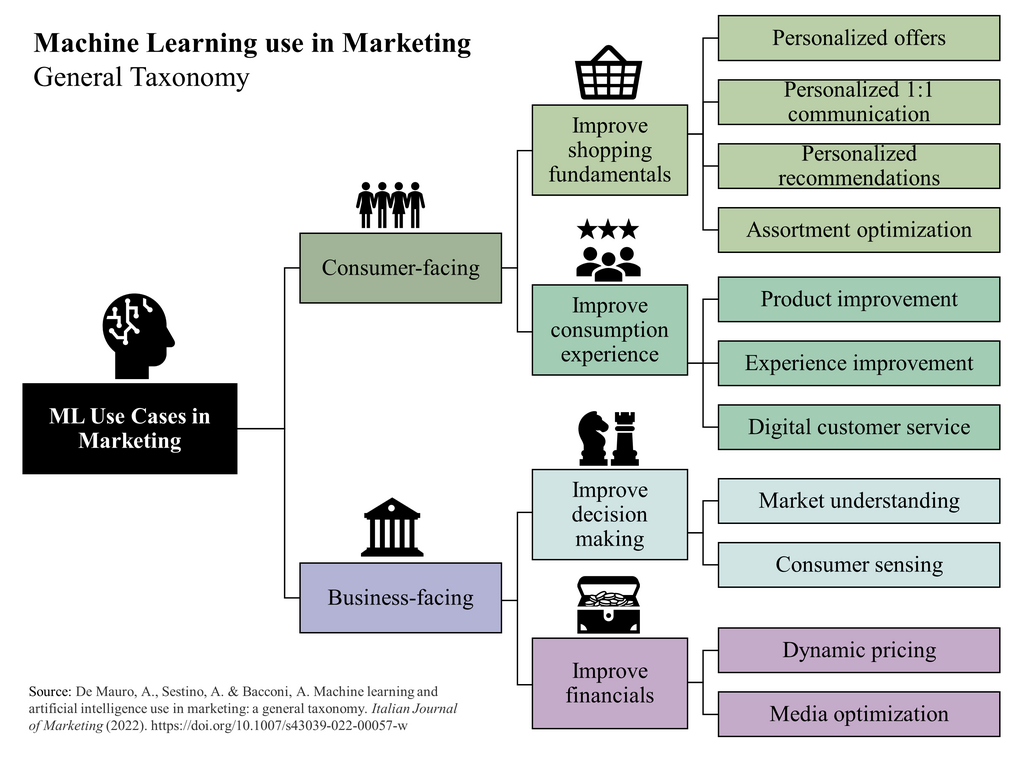
These are just a few examples. From agriculture to manufacturing, AI is becoming an essential part of how the modern world operates.
What is the primary goal of Artificial Intelligence?
The periods of reduced funding and interest in AI research, following initial waves of excitement, are known as what?
AI is a rapidly evolving field. Understanding its core concepts is the first step to appreciating its power and potential.