Foundations of Agentical AI
Introduction to Agentic AI
Beyond the Prompt
Most of us know AI through chatbots. We type a question, and a large language model gives us an answer. It's a powerful tool, but it's fundamentally reactive. It waits for our command.
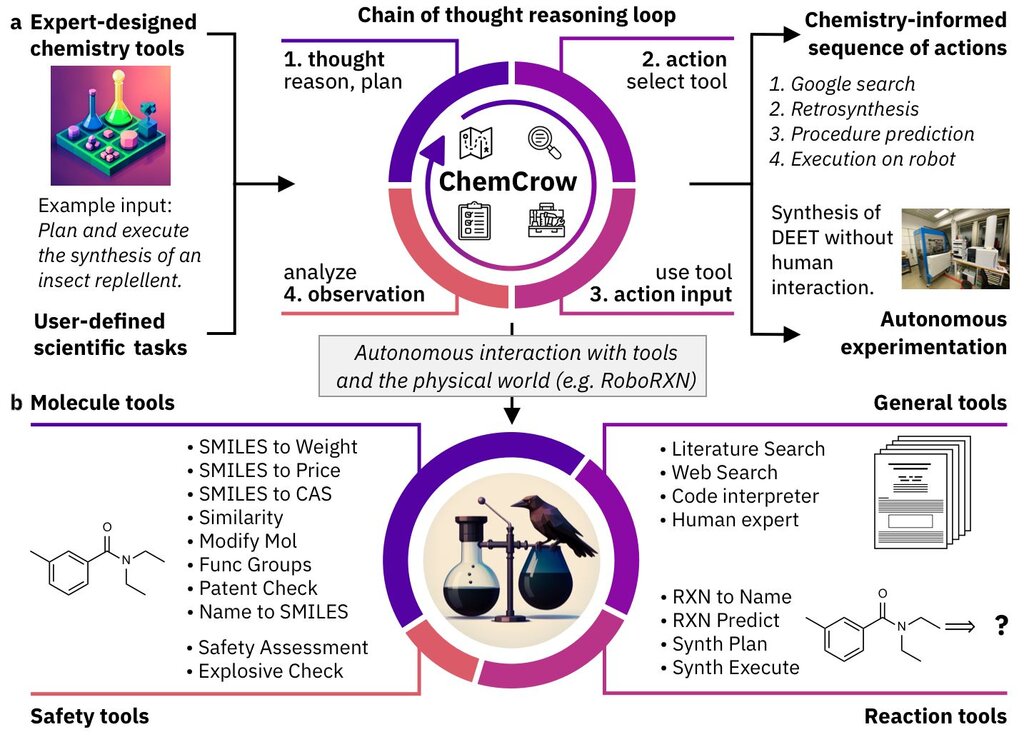
Agentic AI is the next step. It's about creating systems that don't just answer questions, but actively work to achieve goals. Instead of telling it how to do something step-by-step, you give it a destination. An agentic AI is like a skilled assistant you can delegate a complex task to, such as "Find the best flight and hotel deals for a trip to Tokyo next month and book them for me."
The AI then breaks down that goal into smaller steps, makes decisions, uses tools (like web browsers or booking APIs), and acts on your behalf until the goal is met.
Agentic AI represents a fundamental paradigm shift in artificial intelligence, moving from passive, prompt-driven systems to autonomous, goal-oriented agents that can plan, learn, and execute complex tasks with minimal human intervention.
The Agentic Loop
At the heart of this concept is the intelligent agent. This isn't just a piece of software; it's an entity designed to operate independently in an environment to achieve its objectives. Think of a self-driving car navigating traffic or a smart thermostat adjusting your home's temperature.
agent
noun
An entity that perceives its environment through sensors and acts upon that environment through actuators to achieve its goals.
What makes an agent truly agentic are four key traits:
- Autonomy: It can make decisions and perform tasks without constant human oversight.
- Perception: It senses its environment. For a software agent, the "environment" might be the internet, a database, or user feedback.
- Goal-Driven: Its actions are purposeful, always aimed at achieving a specific, predefined objective.
- Action: It can execute tasks. This could be anything from running code and accessing websites to controlling physical hardware.
From Simple Rules to Smart Assistants
The idea of AI agents isn't new. Early examples were simple, rule-based systems. Think of non-player characters (NPCs) in old video games that followed fixed paths, or basic thermostats that only knew "if temperature is below X, turn on heat."
Over decades, these agents grew more sophisticated. The development of machine learning allowed them to learn from data. A spam filter, for example, is an agent that perceives an incoming email, uses a learned model to decide if it's junk, and acts by moving it to the spam folder. Deep Blue, the chess program that beat Garry Kasparov in 1997, was a highly specialized agent designed for one complex task.
Today, with the power of large language models, agentic AI is becoming more general and versatile. These modern agents can understand complex, natural language goals and access a wide variety of digital tools to accomplish them.
Agents at Work
Agentic AI is moving from a theoretical concept to a practical tool across many fields.
In software development, an agent could be tasked with finding bugs in a codebase. It would autonomously run tests, analyze the results, identify the source of the error, and even attempt to write a patch.
For personal productivity, an agent could manage your calendar. Given the goal "schedule a one-hour meeting with the marketing team next week," it would check everyone's availability, find a suitable slot, send invitations, and book a conference room.
In scientific research, agents can sift through massive datasets to identify patterns and form hypotheses, accelerating the pace of discovery. Imagine an agent tasked with analyzing astronomical data to find potential exoplanets.
The key shift is from giving the AI instructions to giving it intent.
Now that we've covered what agentic AI is, let's test your understanding.
What is the primary difference between a typical AI chatbot and an agentic AI?
Which of the following is NOT a core trait of an 'intelligent agent'?
This new paradigm of proactive, goal-driven AI promises to change how we interact with technology, turning our computers from passive tools into active partners.