Foundations and Strategies of Trading
Financial Markets Types
Beyond the Stock Ticker
You already know the basics: trading is about buying and selling assets to profit from price changes. But the world of trading isn't a single, monolithic entity. It's a collection of distinct markets, each with its own rules, rhythm, and personality. Think of it like exploring different ecosystems. The skills needed to thrive in a dense jungle are different from those needed in an open ocean. Let's explore the four major financial ecosystems.
The Stock Market: Trading Ownership
This is the market most people picture when they hear the word "trading." The stock market is where you buy and sell shares, which are small slices of ownership in publicly traded companies. When you buy a share of Tata Motors, you own a tiny piece of the company.
These transactions primarily happen on the secondary market, through exchanges like the National Stock Exchange (NSE) or the New York Stock Exchange (NYSE). This is where investors trade shares amongst themselves. The company itself only gets money when it first issues the shares on the primary market, a process known as an Initial Public Offering (IPO).
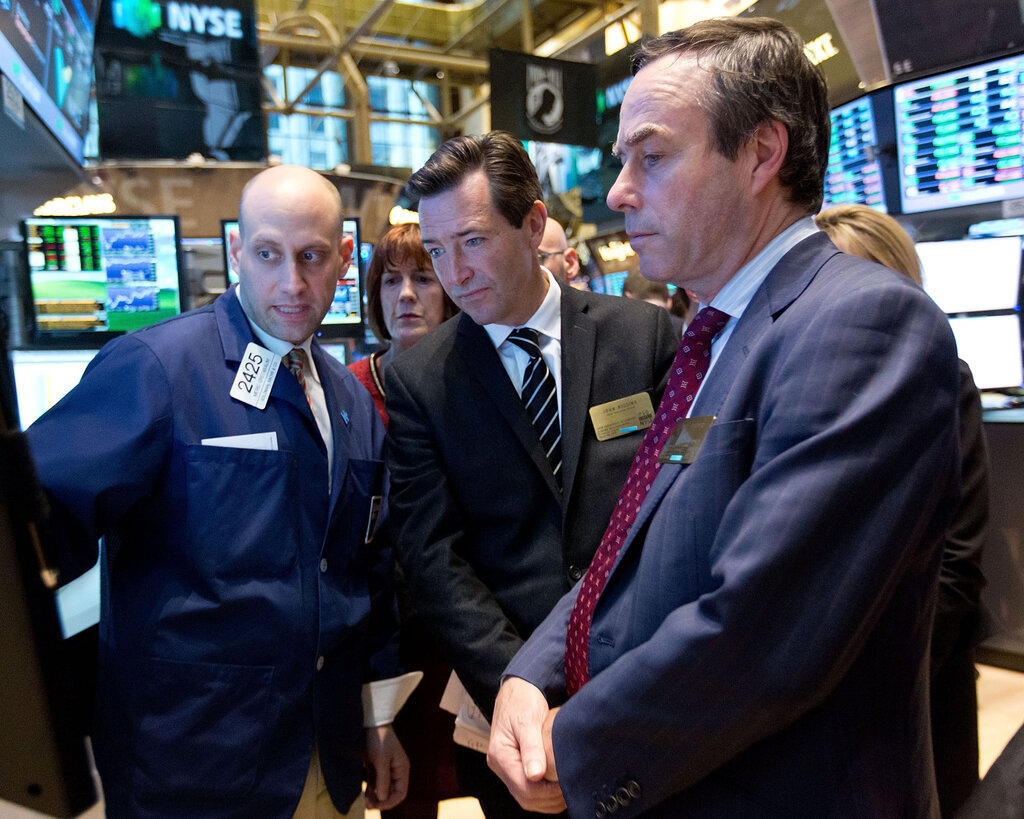
The key players here are retail traders (like you and me) and institutional investors, which are large organisations that invest on behalf of others. The price of a stock is driven by a company's performance, industry trends, and broad economic health.
The Forex Market: A Global Currency Dance
The Foreign Exchange, or Forex (FX), market is the largest financial market in the world. It doesn't have a central location; it's a global, decentralised network where currencies are traded. It operates 24 hours a day, five days a week, following the sun from financial centres in Tokyo to London to New York.
In Forex, you're always trading one currency against another in pairs. For example, when you trade the EUR/USD pair, you are speculating on whether the Euro will rise or fall in value relative to the U.S. Dollar. The prices are influenced by interest rates, economic policies, geopolitical events, and international trade flows.
Pip
noun
Short for "percentage in point" or "price interest point." It's the smallest standardised price move that a currency pair can make. For most pairs, one pip is equal to 0.0001.
Commodities and Cryptocurrencies
Beyond stocks and currencies lie two very different frontiers: the tangible world of commodities and the digital realm of cryptocurrencies.
Commodities are the raw materials that fuel the global economy. They are often grouped into two categories:
- Hard Commodities: Natural resources that must be mined or extracted, like gold, oil, and copper.
- Soft Commodities: Agricultural products that are grown, such as wheat, coffee, and cotton.
Trading often happens through futures contracts, which are agreements to buy or sell a specific amount of a commodity at a predetermined price on a future date. Prices are heavily influenced by supply and demand, weather patterns, and global politics.
Cryptocurrency markets are the newest players on the block. These are digital or virtual tokens that use cryptography for security. Unlike traditional currencies, they are decentralised, meaning they aren't controlled by any central authority like a bank or government.
Transactions are recorded on a , which is a distributed public ledger. The market is known for its high volatility and operates 24/7. Bitcoin and Ethereum are the most well-known, but thousands of different cryptocurrencies exist.
Market Dynamics
Across all these markets, two concepts are critical: liquidity and volatility. Liquidity refers to how easily an asset can be bought or sold without causing a significant change in its price. A market with many buyers and sellers, like the Forex market, is highly liquid.
Volatility is the rate at which an asset's price fluctuates. Highly volatile assets, like many cryptocurrencies, can experience rapid and significant price swings. These two concepts are often inversely related. High liquidity usually means lower volatility and tighter bid-ask spreads, making it cheaper to trade.
Another crucial role is played by . These are firms or individuals who stand ready to both buy and sell a particular asset on a regular basis, profiting from the spread between the buy and sell price. By doing so, they provide the essential liquidity that keeps markets running smoothly.
Understanding these different market types and their core dynamics is the first step toward navigating them effectively. Each one offers unique opportunities and presents distinct challenges.
Ready to test your knowledge? Let's see what you've learned about the different financial markets.
In which market does a company receive money directly from investors when it first issues shares?
Which of the following best describes the Foreign Exchange (Forex) market?
Each market has a unique character. As you continue your journey, you'll learn which of these ecosystems best fits your trading style and goals.