Foundational English for Beginners
English Alphabet and Pronunciation
The English Alphabet
The English language uses the Latin alphabet, which has 26 letters. Each letter has an uppercase (capital) and a lowercase form. You'll use uppercase letters for the beginning of sentences and for proper nouns, like names of people and places.
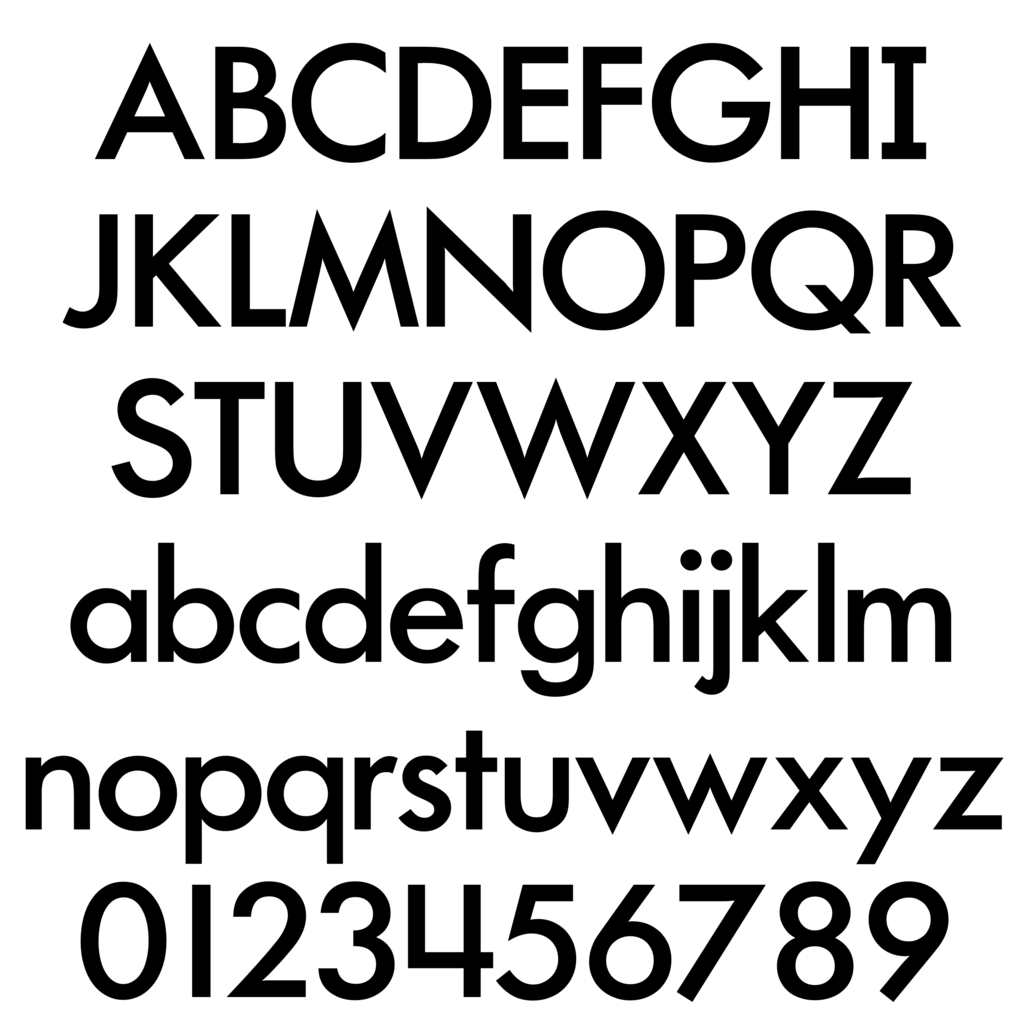
The letters are divided into two main groups: vowels and consonants.
The vowels are A, E, I, O, and U. The letter Y can sometimes act as a vowel, too. All other letters are consonants.
This distinction is important because vowels and consonants combine to form syllables, the building blocks of words. Every syllable in English must have at least one vowel sound.
Letter Names vs. Letter Sounds
Every letter has a name and at least one sound. For example, the name of the letter 'A' is pronounced /eɪ/ (like in "eight"), but its most common sound is /æ/ (as in "apple"). Knowing the difference is key to learning how to read and speak English correctly.
Beginning reading revolves around letter sounds.
Many letters, especially vowels, can make more than one sound. A vowel's sound often depends on the other letters around it. We generally talk about "short" and "long" vowel sounds.
| Vowel | Short Sound Example | Long Sound Example |
|---|---|---|
| A | cat (/æ/) | lake (/eɪ/) |
| E | bed (/ɛ/) | be (/iː/) |
| I | sit (/ɪ/) | ice (/aɪ/) |
| O | top (/ɒ/) | go (/oʊ/) |
| U | sun (/ʌ/) | use (/juː/) |
Consonants are usually more consistent, but some can also change their sound. The letter 'C', for instance, makes a hard /k/ sound before A, O, or U (as in cat, cot, cut) and a soft /s/ sound before E, I, or Y (as in cent, city, cycle).
Sounds in Pairs
Sometimes, two letters team up to create a completely new sound. These pairs are called digraphs. Learning to spot them will make pronouncing new words much easier.
| Combination | Sound | Example |
|---|---|---|
| CH | /tʃ/ | chair |
| SH | /ʃ/ | shoe |
| TH | /θ/ or /ð/ | think, this |
| PH | /f/ | phone |
The 'th' sound is a good example of sounds that can be tricky. One is unvoiced (like in think), where you just push air through your teeth. The other is voiced (like in this), where you make a sound with your vocal cords.
A Guide to Pronunciation
Because of all these variations, how can you know for sure how to pronounce a word? Dictionaries use a special set of symbols to represent sounds, called the International Phonetic Alphabet (IPA). Each symbol stands for one specific sound. Learning a few common IPA symbols can help you pronounce any English word correctly.
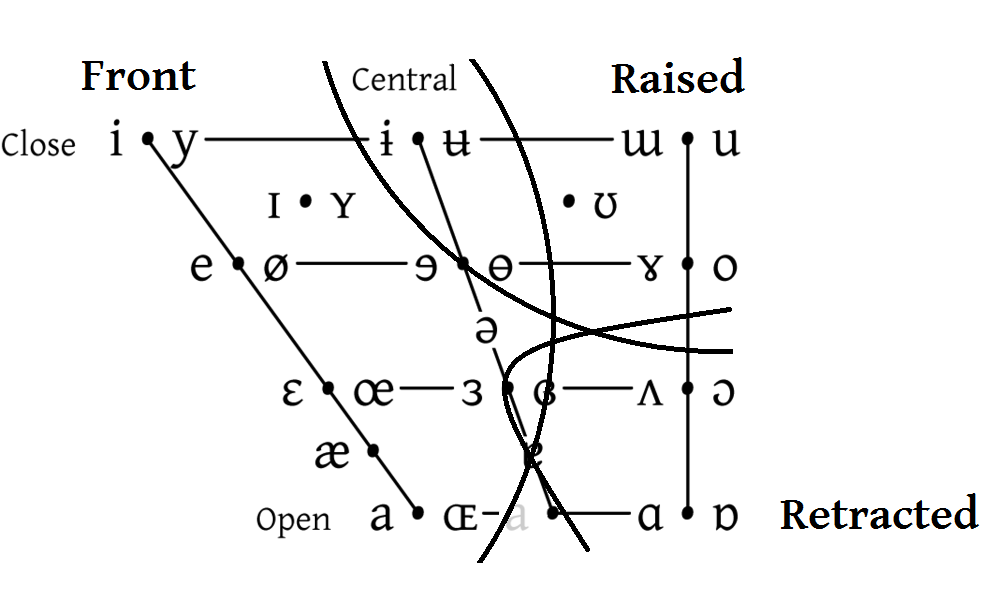
For example, even though the words through, though, and tough all contain "ough," their pronunciations are very different. The IPA makes this clear:
- through /θruː/
- though /ðoʊ/
- tough /tʌf/
You don't need to memorize the whole chart, but recognizing IPA symbols in a dictionary can be a powerful tool.
Let's review the main ideas before you test your knowledge.
Ready to check what you've learned?
Every syllable in an English word must contain at least one vowel sound.
When is it appropriate to use an uppercase letter?
Understanding the alphabet and the sounds its letters make is the first major step in mastering English.