Forward Contracts Explained
Introduction to Forward Contracts
What Is a Forward Contract?
A forward contract is a private agreement between two parties to buy or sell an asset at a future date, for a price that's locked in today. It’s like ordering a custom-built bicycle. You and the builder agree on all the specifications and the final price now, but the bike will be built and delivered to you in three months. The payment and the bike exchange hands on that future date, not today.
These contracts are customized, meaning the two parties can tailor the terms, such as the specific asset, the quantity, and the delivery date, to fit their needs. The price they agree on is called the delivery price.
Delivery Price
noun
The price of the underlying asset that is agreed upon when the forward contract is created. It is the price at which the asset will be exchanged on the future delivery date.
In every forward contract, there are two sides. The party that agrees to buy the asset in the future has the long position. The party that agrees to sell the asset has the short position. Both are obligated to follow through with the transaction on the agreed-upon date, regardless of what the asset's market price is at that time.
Buyer = Long Position (commits to buy the asset) Seller = Short Position (commits to sell the asset)
Forwards vs. Spot Contracts
The key difference between a forward contract and a more common transaction lies in the timing. Most everyday purchases are spot contracts. When you buy a cup of coffee, you pay the price listed on the board and get your coffee immediately. The transaction happens "on the spot."
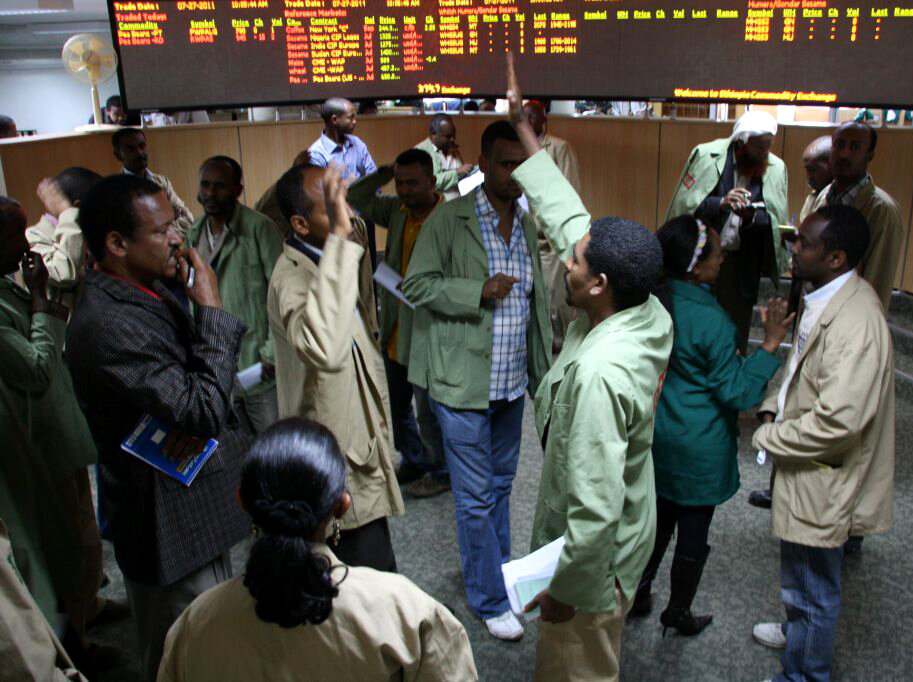
Forward contracts, on the other hand, involve a delay between the agreement and the actual exchange. The price is set now, but the delivery and payment are deferred. This separation of timing is what makes them useful for planning and managing future costs.
| Feature | Forward Contract | Spot Contract |
|---|---|---|
| Delivery Time | Deferred to a future date | Immediate |
| Price Determination | Price is set today for the future | Price is the current market price |
| Settlement | Occurs on the future delivery date | Occurs immediately |
A Simple Example
Let's consider a practical scenario. A bread company knows it will need 10,000 bushels of wheat in six months. A wheat farmer expects to harvest that much by then. They are both worried about how the price of wheat might change.
To eliminate uncertainty, they enter into a forward contract.
Asset: 10,000 bushels of wheat Delivery Date: Six months from today Delivery Price: 💲5 per bushel
The bread company takes the long position, agreeing to buy the wheat. The farmer takes the short position, agreeing to sell it.
In six months, the farmer will deliver the wheat, and the bread company will pay $50,000 (10,000 bushels x $5). This happens no matter what the market price of wheat is on that day. If the spot price has risen to $6 per bushel, the bread company still only pays $5. If the price has dropped to $4, the farmer still receives $5.
This simple agreement locks in a future price, providing certainty for both the buyer and the seller.