Fortune 500 CIO Leadership
CIO Role Overview
The Evolving CIO
Not long ago, the Chief Information Officer was often seen as the head of the IT department, a technical expert tucked away in the corporate basement. Their main job was to keep the servers running, the emails flowing, and the computers on everyone's desks working. The role was reactive, focused on fixing problems and maintaining the existing infrastructure.
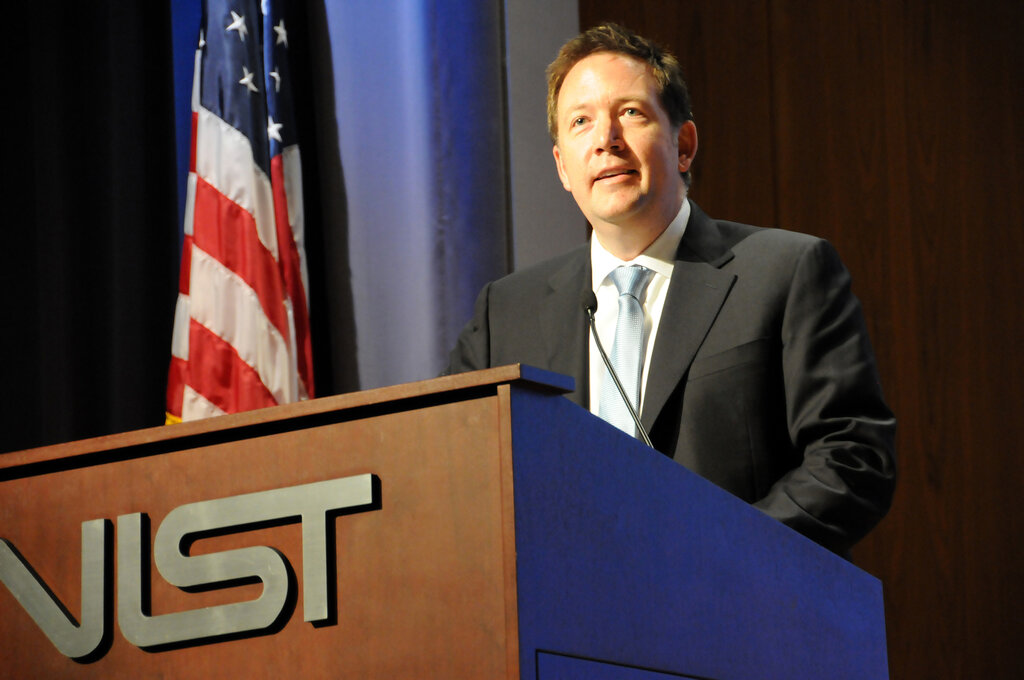
That picture has changed dramatically. Today's CIO in a Fortune 500 company is a key strategic leader, a vital part of the executive team. Technology is no longer just a support function; it's the engine of business growth, customer engagement, and competitive advantage. The CIO has moved from the server room to the boardroom, helping to steer the entire company's direction.
This evolution means the CIO's responsibilities have expanded far beyond just keeping the lights on. They are now deeply involved in shaping the future of the business.
Core Responsibilities
The modern CIO juggles a wide range of duties, but they generally fall into a few key areas.
First is aligning IT strategy with business objectives. This means ensuring that every technological investment and initiative directly supports the company's goals. If the company wants to expand into a new market, the CIO figures out the technology needed to make that happen. They act as a translator, converting business goals into technical requirements and explaining the business value of tech projects to other executives.
Managing the company's vast IT infrastructure remains a core function, but its scope is much larger now. This includes overseeing everything from internal networks and data centers to cloud services and software licenses. For a global company, this is a massive undertaking that requires ensuring reliability, scalability, and efficiency for thousands of employees and millions of customers.
The CIO's job isn't just about managing technology; it's about using technology to manage change and create new business opportunities.
Perhaps the most visible responsibility today is overseeing digital transformation. This involves using technology to fundamentally rethink and reshape how the business operates. A CIO might lead a project to move the company's sales process entirely online, use data analytics to personalize customer experiences, or implement automation to streamline factory operations. These are not minor tweaks; they are major shifts that redefine how the company creates value.
Driving Innovation and Security
Beyond day-to-day operations, the CIO is tasked with looking toward the future. A key part of their role is to drive innovation. They are constantly scanning the horizon for emerging technologies like artificial intelligence, the Internet of Things (IoT), and blockchain, and identifying ways these tools can create new products, services, or efficiencies for the company. They foster a culture of experimentation and continuous improvement, helping the organization adapt to a rapidly changing tech landscape.
At the same time, the CIO is the chief guardian of the company's digital assets. In an age of constant cyber threats, ensuring robust cybersecurity is a top priority. This involves implementing security protocols, managing threat detection systems, ensuring compliance with data privacy regulations, and educating the entire organization on safe practices. A single major data breach can cost a company millions in fines and lost customer trust, making the CIO's role in security absolutely critical.
Let's check your understanding of the CIO's multifaceted role.
How has the primary role of the Chief Information Officer (CIO) in a large corporation evolved over the last few decades?
What does "aligning IT strategy with business objectives" mean for a modern CIO?
From a technical manager to a strategic visionary, the CIO's journey reflects the central role technology now plays in every aspect of modern business.