Fortify Your Digital Life with Two-Factor Authentication
Introduction to Two-Factor Authentication
More Than Just a Password
Your password is the first line of defense for your online accounts. But what happens if someone steals it? Data breaches are common, and a stolen password can give an attacker access to your email, bank account, or social media.
This is where two-factor authentication, or 2FA, comes in. It's like having a second lock on your digital door. Instead of just needing one key (your password), you need two different keys to get in. This makes it much harder for someone to break into your accounts, even if they know your password.
Two-factor authentication (2FA) adds an extra layer of security by requiring not only a password and username but also something that only the user has on them, such as a physical token.
The “two factors” in 2FA come from three possible categories of proof. To verify your identity, a service will ask for a combination of two different types of evidence.
The Three Factors of Authentication
Authentication factors are grouped based on what they require from you.
Knowledge
noun
Something only you know.
Possession
noun
Something only you have.
Inherence
noun
Something you are.
True 2FA requires two factors from different categories. For example, using a password (knowledge) and a one-time code sent to your phone (possession) is 2FA. However, using two passwords would not be, as both are knowledge factors.
How 2FA Works in Practice
When you log into an account with 2FA enabled, the process is simple. First, you enter your username and password as usual. Then, the service prompts you for the second factor.
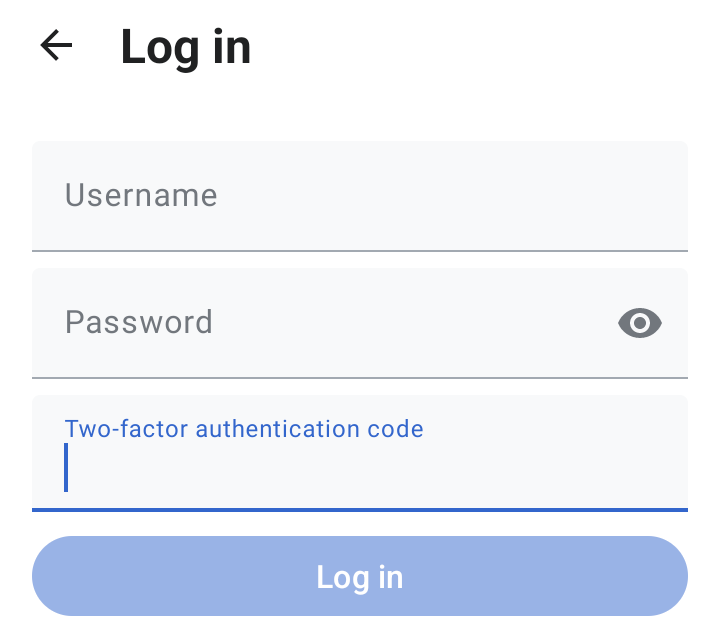
This second step might involve entering a six-digit code from an authenticator app, tapping a security key plugged into your computer, or scanning your fingerprint. Once you provide both factors, you're granted access.
This simple extra step makes a huge difference. If a hacker steals your password from a company's database, they still can't get into your account. Without access to your phone or your fingerprint, the password alone is useless. That's why enabling 2FA is one of the most effective things you can do to protect your online life.
Now, let's check your understanding of these core concepts.
What is the primary purpose of two-factor authentication (2FA)?
True or False: If a hacker steals your password in a data breach, 2FA makes that password useless to them without the second factor.
By combining something you know with something you have or something you are, 2FA provides a robust defense against unauthorized account access.