Fortify Your Digital Life with Two-Factor Authentication
Understanding Two-Factor Authentication
More Than a Password
Your password is like a key to your front door. It works well enough, but what if someone steals it or makes a copy? For a long time, passwords were the only thing protecting our digital lives. But passwords can be guessed, forgotten, or stolen in data breaches.
Two common ways criminals get passwords are through phishing and credential stuffing. Phishing tricks you into giving up your password, often with fake login pages that look real. Credential stuffing happens after a data breach at one company. Attackers take the leaked list of usernames and passwords and try them on other websites, hoping you reused the same password.
If a hacker steals your password, they can access your email, bank account, or social media. A single weak password can put your entire digital identity at risk.
This is where two-factor authentication, or 2FA, comes in. It's like adding a deadbolt to your front door. Even if a thief has your key, they still can't get inside without also knowing the separate deadbolt combination.
2FA requires you to prove your identity using two different methods before you're granted access. This simple step makes it dramatically harder for an unauthorized person to access your accounts.
If you want to keep your online accounts safe, adding two-factor authentication (2FA) is the single most important step you can take.
The Three Factors
Authentication methods are grouped into three categories, or "factors." 2FA works by combining any two of them.
| Factor Type | Description | Examples |
|---|---|---|
| Knowledge | Something only you know. | A password, a PIN, or the answer to a security question. |
| Possession | Something only you have. | Your phone (for app codes or texts), a USB security key, or a physical token. |
| Inherence | Something you are. | Your fingerprint, your face, or your voice pattern. |
The most common 2FA setup combines the Knowledge and Possession factors. You enter your password (something you know), and then you're asked for a temporary code from an app on your phone (something you have).
Even if a hacker successfully phishes your password, they are stopped at the next step. They don't have your phone, so they can't provide the second factor. This simple barrier is incredibly effective at stopping account takeovers.
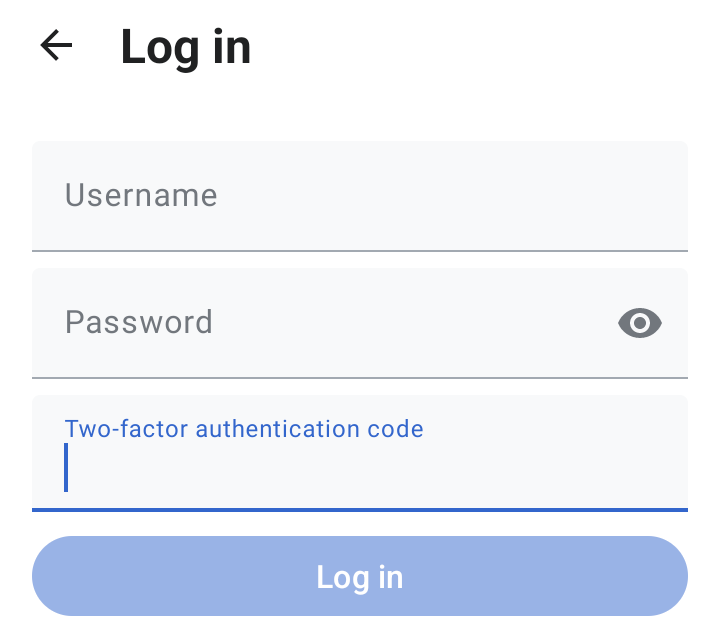
Using a combination of factors makes your accounts exponentially more secure than relying on a single password. While no security system is perfect, 2FA provides a powerful defense against the most common types of cyberattacks.
What is the primary purpose of two-factor authentication (2FA)?
An attacker gets a list of usernames and passwords from a data breach at a retail website. They then use those same combinations to try to log into banking and email accounts. What is this type of attack called?
By understanding and using 2FA, you take a major step toward protecting your digital life.