Fortify Your Accounts with Two-Factor Authentication
Understanding 2FA
More Than Just a Password
We've all been told to use strong, unique passwords for our online accounts. But even the most complex password can be stolen or leaked in a data breach. A password alone is like leaving your front door locked but putting the key under the mat. It provides some security, but a determined intruder can still find a way in.
This is where Two-Factor Authentication, or 2FA, comes in. Think of it as a digital deadbolt. It's a second layer of security that requires more than just your password to access an account. Even if a hacker steals your password (the key under the mat), they still can't get in without the second key, which only you have.
Two-factor authentication (2FA) has emerged as an essential security measure that provides a critical additional layer of protection for your online accounts.
The Three Security Factors
2FA works by requiring you to provide two different types of credentials before granting access. These credentials, or "factors," fall into three categories. A true 2FA system combines two of these three.
| Factor Type | Description | Examples |
|---|---|---|
| Knowledge | Something you know | Password, PIN, answer to a security question |
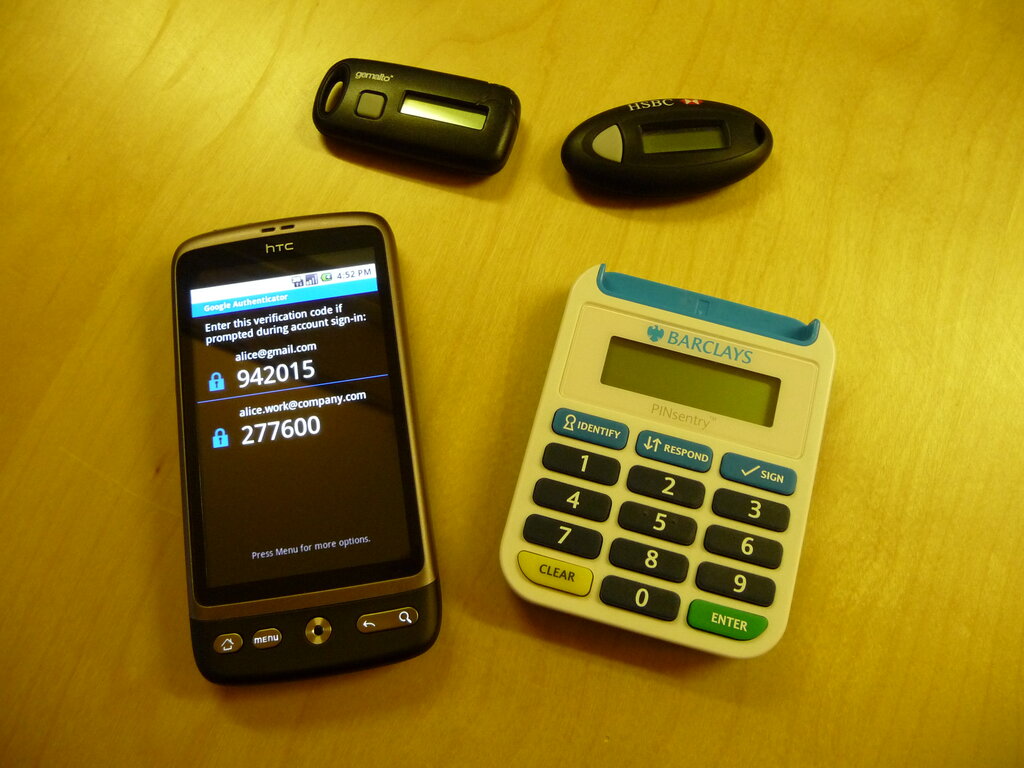
| Possession | Something you have | Your phone, a physical security key, a bank card |
| Inherence | Something you are | Fingerprint, face scan, voice recognition |
For example, withdrawing money from an ATM often uses 2FA. You need your bank card (something you have) and your PIN (something you know). Without both, you can't access your money.
2FA in Action
Let's walk through a common online scenario. You're logging into your email on a new computer. First, you enter your username and password (the knowledge factor).
Next, the service asks for a second piece of information. It might send a six-digit code via text message to your phone. Because you have your phone (the possession factor), you can enter the code and log in successfully.
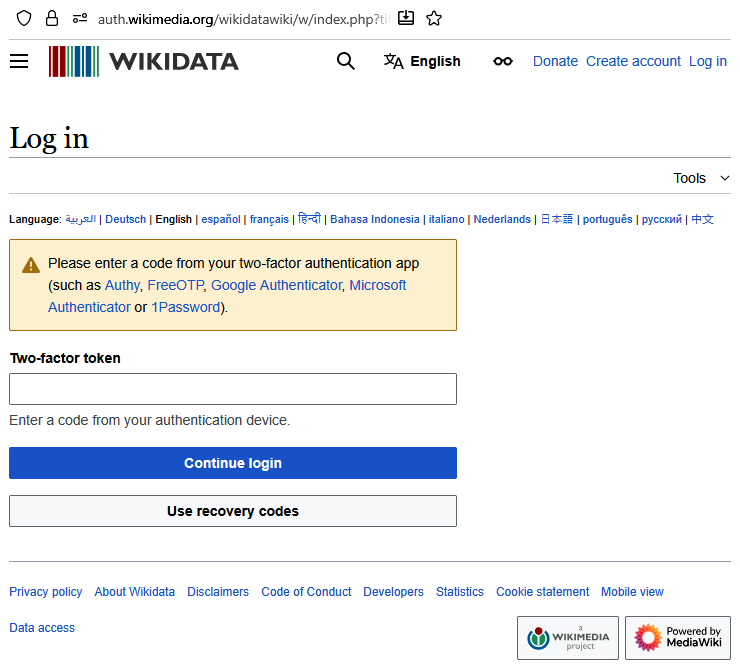
This simple step is incredibly powerful. Imagine a hacker across the world gets your password from a phishing scam. They try to log in, but they're stopped dead. They don't have your phone, so they can't get the code. Your account remains safe.
The core benefit of 2FA is that it neutralizes the threat of a stolen password. A password alone is no longer enough to break into your account.
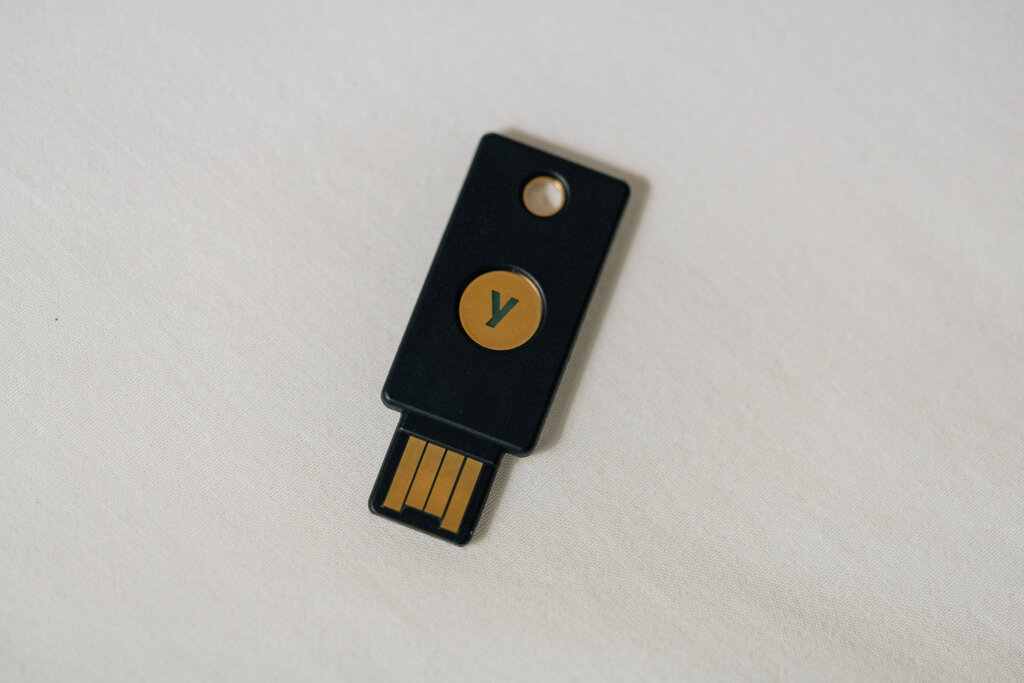
While text message codes are common, many services now use authenticator apps like Google Authenticator or Authy. These apps generate time-sensitive codes directly on your phone, which is generally more secure than SMS. For maximum security, some people use physical hardware keys, like a YubiKey, that you plug into your computer's USB port to verify your identity.
Enabling 2FA wherever it's offered is one of the single best things you can do to protect your digital life. It turns your vulnerable accounts into secure fortresses.
Now, let's see what you've learned about the basics of 2FA.