Formula 1 Unveiled
Origins and Evolution
The Dawn of Grand Prix Racing
Long before the glossy spectacle of modern Formula 1, the seeds of high-speed motorsport were sown in the city-to-city road races of the early 20th century. These evolved into the first Grand Prix events, standalone competitions where national pride and engineering muscle were on full display. Manufacturers like Alfa Romeo, Mercedes-Benz, and Auto Union built fearsome machines that pushed the limits of speed and endurance.
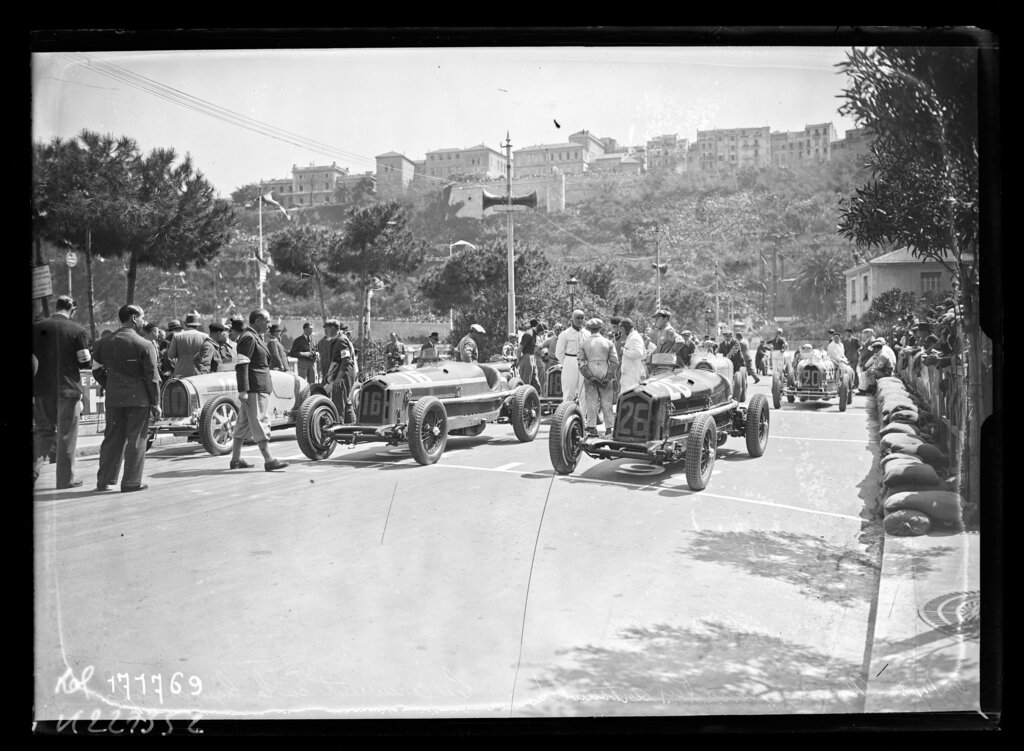
These early races were raw and dangerous, held on public roads with minimal safety measures. There was no overarching championship; each Grand Prix was a world of its own. After World War II, the desire for a more organized and standardized form of international racing led to a new set of rules, or a 'formula.' This became known as Formula One.
In 1950, the Fédération Internationale de l'Automobile (FIA) established the first-ever Formula One World Championship. It unified several major European Grands Prix into a single points-based competition to crown a world champion driver.
The inaugural race of the new championship was the British Grand Prix at Silverstone on May 13, 1950. It was won by Italian driver Giuseppe "Nino" Farina in an Alfa Romeo.
The early decades saw rapid innovation. Cars transitioned from front-engine designs to the nimbler mid-engine layout, a change pioneered by Cooper Car Company that revolutionized car handling and design. Aerodynamics began to play a role, with the first wings appearing in the late 1960s to push the cars onto the track for better grip.
The Turbo and Hybrid Eras
The sport took a dramatic technological leap in the late 1970s and early 1980s with the introduction of turbocharged engines. Renault was the first to successfully campaign a turbo engine, and soon every team scrambled to catch up. These engines were capable of producing immense power, with some qualifying engines in the mid-80s rumored to generate over 1,300 horsepower from tiny 1.5-liter blocks. This era was defined by explosive speed, challenging reliability, and legendary driver rivalries.
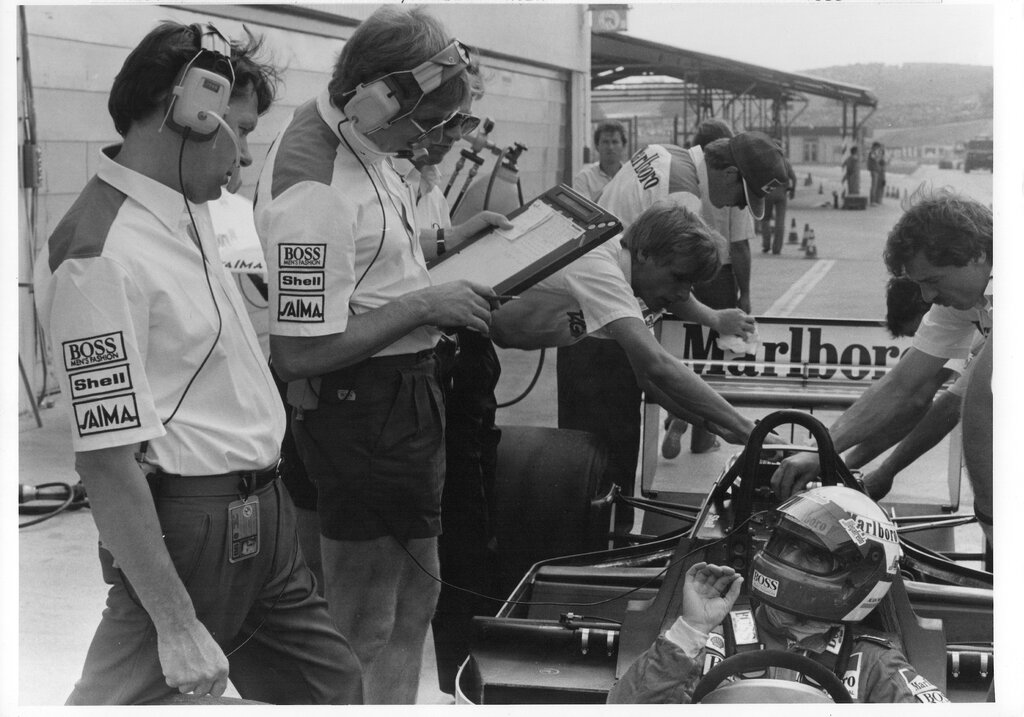
Power outputs became so extreme that regulations eventually reined them in, leading to a period of naturally-aspirated engines. But technology never stands still. The next great shift came in 2014, when Formula 1 embraced hybrid technology.
This marked the switch to 1.6-liter V6 turbocharged engines combined with complex Energy Recovery Systems (ERS). These new power units harvest waste energy from both braking and the turbocharger, converting it into electrical energy that can be deployed for a power boost.
This change made F1 cars some of the most thermally efficient engines on the planet, aligning the sport more closely with the direction of the automotive industry. It was a clear demonstration of how regulations can drive innovation, pushing engineers to find performance through efficiency rather than just raw power.
Technology and Rules
The history of Formula 1 is a constant dance between technological advancement and regulatory control. Teams innovate to find a competitive edge, and the governing body introduces new rules to ensure safety, manage costs, and keep the competition close. The introduction of wings led to rules defining their size and placement. The turbo era's extreme power led to boost restrictions and eventual bans. The modern hybrid era is itself a product of regulations designed to promote efficiency and relevance.
This cycle is what makes Formula 1 the pinnacle of motorsport. It’s not just about the fastest driver, but also about the cleverest engineers and the most innovative team. Each new set of regulations presents a fresh challenge, an opportunity for a team to rethink its approach and leap to the front of the grid. From the raw power of the pre-war racers to the complex hybrids of today, F1's evolution is a story of relentless progress.
Ready to test your knowledge on the evolution of Formula 1?
Before the establishment of the Formula One World Championship in 1950, what form did top-tier motorsport primarily take?
Which major design innovation, pioneered by the Cooper Car Company, revolutionized car handling and became the standard layout for Formula 1 cars?
From its beginnings in post-war Europe to its current status as a global technological showcase, Formula 1 has consistently evolved, driven by the dual forces of human ingenuity and rulebook constraints.