Formula 1 Car Engineering
Introduction to Formula 1 Engineering
Anatomy of a Speed Machine
A Formula 1 car is one of the most complex machines on Earth. It's a precisely engineered system where every single component works in harmony to achieve one goal: maximum speed. It isn't just about having a powerful engine. To win races, teams need to perfect the car's aerodynamics, chassis, powertrain, and suspension. These four pillars are the foundation of modern F1 engineering.
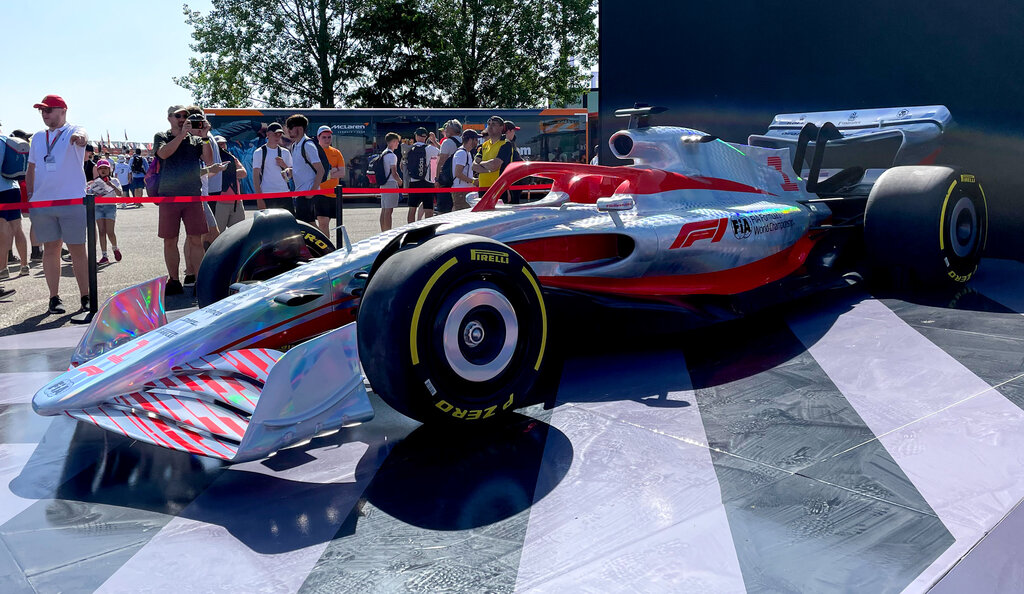
Aerodynamics is Everything
You might think of airplanes when you hear "aerodynamics," but for an F1 car, the goal is the opposite. Instead of generating lift to fly, an F1 car's wings and bodywork are designed to create downforce. This is a powerful aerodynamic force that pushes the car down onto the track.
Why is this so important? Downforce dramatically increases the grip of the tires, allowing the car to travel through corners at incredibly high speeds without sliding off. The front wing, rear wing, and even the car's floor are all intricately shaped to manage airflow and generate as much downforce as possible. At top speed, an F1 car generates enough downforce to theoretically drive upside down on the ceiling of a tunnel.
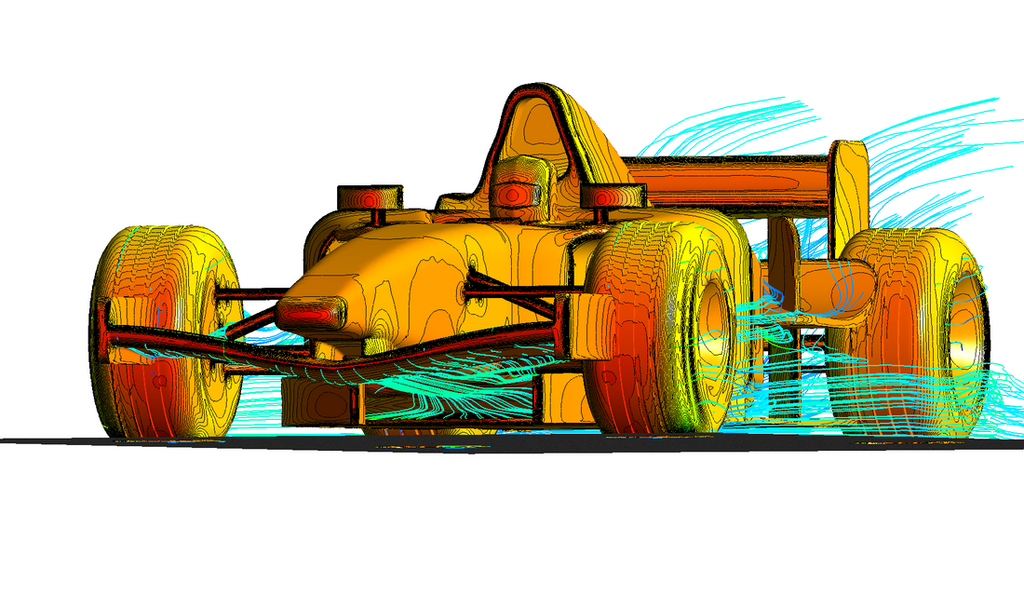
Aerodynamics is at the heart of every F1 car’s design.
The Core Strength
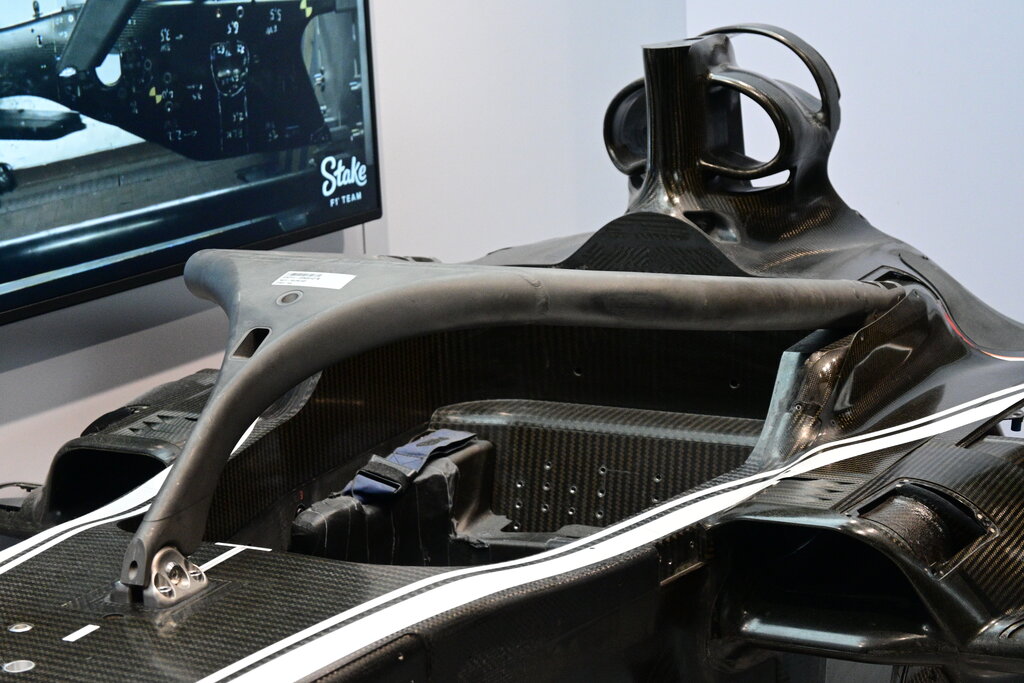
The chassis, or monocoque, is the car's structural hub. It’s the strong, rigid tub where the driver sits and to which everything else—the engine, suspension, and wings—is attached. The primary job of the chassis is to be incredibly stiff, resisting the twisting forces generated during high-speed cornering and braking. A rigid chassis ensures the suspension can work as intended.
It also serves as the driver's survival cell. Modern F1 monocoques are made from carbon fiber composites, a material that is both extremely lightweight and phenomenally strong. This provides maximum performance while ensuring the driver is protected in a crash.
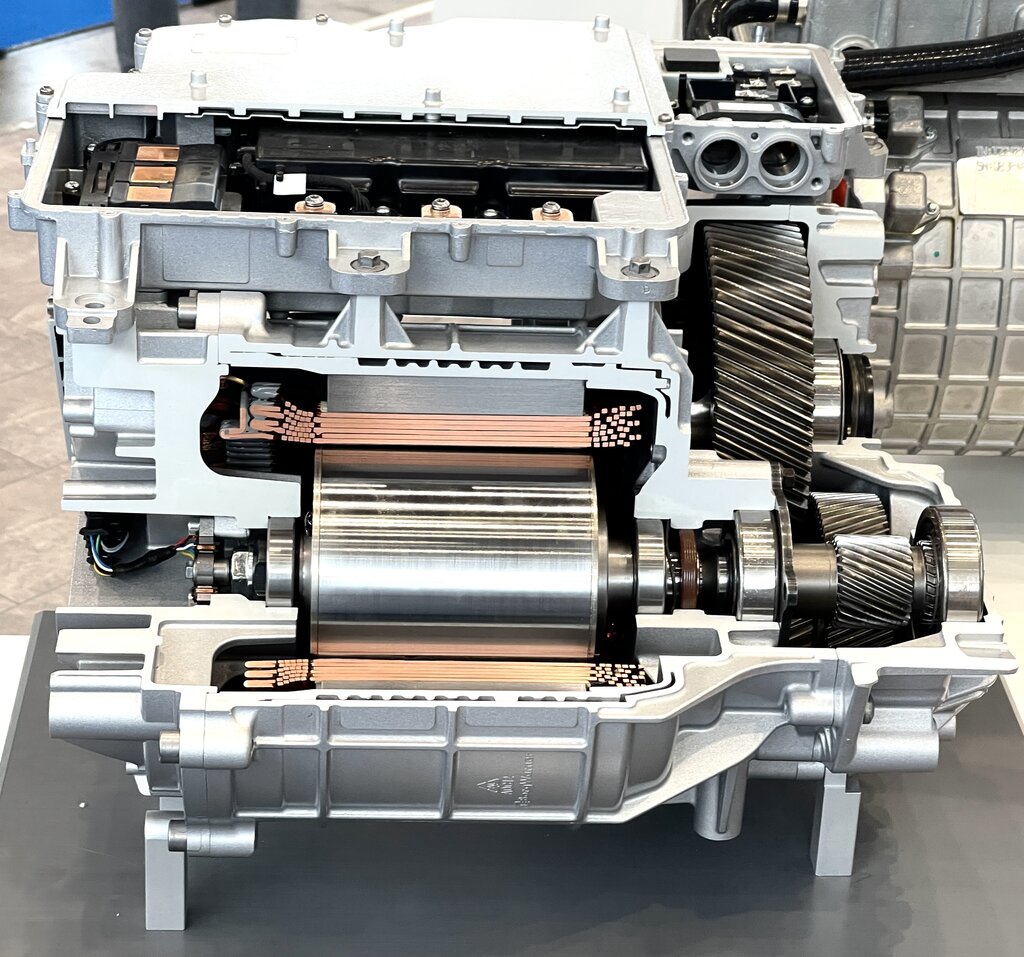
The Hybrid Heart
The engine in a Formula 1 car is no longer just an engine; it's a highly advanced Power Unit. These are hybrid systems that combine a traditional internal combustion engine (ICE) with sophisticated Energy Recovery Systems (ERS).
The ICE is a 1.6-liter V6 turbocharged engine that produces immense power on its own. The ERS captures waste energy, both from the heat of the exhaust and from braking, converts it into electricity, stores it in a battery, and then deploys it for an extra boost of power. This hybrid technology makes F1 cars not only incredibly fast but also remarkably efficient.
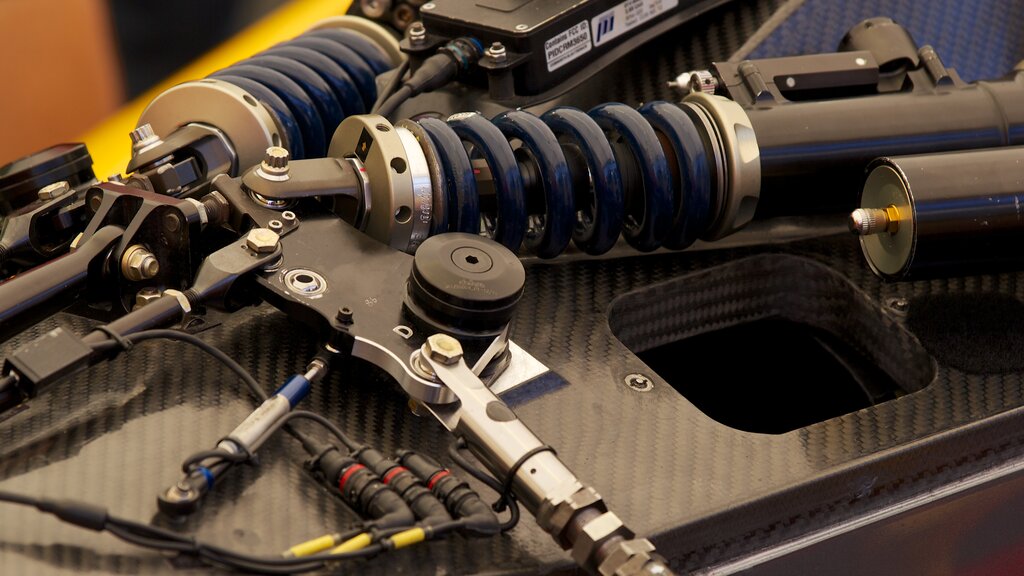
Finally, the suspension connects the wheels to the car's chassis. Its job is twofold: to keep the tires in constant, optimal contact with the track surface and to manage the car's ride and handling. F1 suspension systems are complex, using pushrods and pullrods, dampers, and springs to control the car's movement with incredible precision. A well-tuned suspension is crucial for mechanical grip, complementing the aerodynamic grip to give the driver confidence in every corner.
Let's review the key engineering pillars of a Formula 1 car.
What is the primary purpose of a Formula 1 car's aerodynamic design?
A Formula 1 car's chassis, also known as the monocoque, is primarily made from carbon fiber composites because this material is both extremely strong and lightweight.
Each of these systems—aerodynamics, chassis, powertrain, and suspension—is a field of engineering in its own right. In Formula 1, success comes from integrating them into one seamless, lightning-fast package.