Formula 1 2026 Technical Regulations Explained
Introduction to Formula 1 Regulations
The Need for Rules
Formula 1 is the pinnacle of motorsport, a high-speed chess match where engineering genius and driver skill collide. But without a common set of rules, it would be chaos. The regulations in Formula 1 exist for three main reasons: to keep drivers safe, to ensure fair competition, and to push the boundaries of automotive technology in a controlled way.
Think of the regulations as the laws of physics for the sport. They define the playground for the teams, setting limits on everything from the size of the engine to the shape of the wings. The goal is to create a framework where teams can innovate and compete, but not in ways that make the cars dangerously fast or the racing completely one-sided.
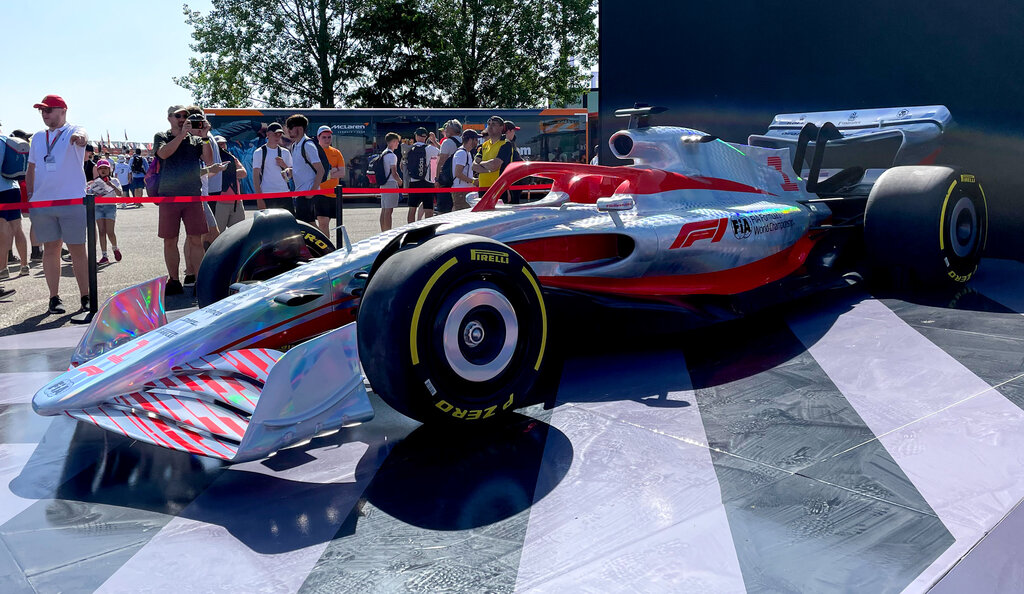
The Regulatory Framework
The governing body for Formula 1 is the Fédération Internationale de l'Automobile, or FIA. They are responsible for writing and enforcing the rules. The regulations are not just one giant document; they're split into three key areas, each governing a different aspect of the sport.
| Regulation Type | Purpose |
|---|---|
| Sporting Regulations | Governs how the race weekend unfolds, from practice sessions to the points system. It covers procedures like pit stops, safety car rules, and penalties. |
| Technical Regulations | Dictates every detail of the car's design. This includes the engine (power unit), chassis, aerodynamics, and safety structures. |
| Financial Regulations | Sets a cost cap on how much teams can spend over a season. This aims to level the playing field and ensure the sport's long-term financial health. |
Together, these three pillars form a comprehensive framework. The technical rules define what you can build, the sporting rules define how you can race it, and the financial rules define how much you can spend doing it.
An Evolution of Rules
Formula 1's regulations have never been static. They are constantly evolving, often in response to major events. A tragic accident might lead to new safety requirements. If one team creates a car that is overwhelmingly dominant, the FIA might change the rules to close their advantage and make the racing more competitive.
As you can imagine, then, after some 60 years of trying to outwit the feds, Formula 1 today is governed by a rather long list of regulations—hundreds of pages of them, in fact.
This cat-and-mouse game between the teams and the regulators has been a central theme throughout the sport's history. Early F1 cars had very few restrictions, but as speeds increased and technology advanced, the rulebook grew in complexity to keep pace.

Engineering Within the Lines
The regulations don't just limit what teams can do; they also inspire incredible creativity. The best engineers don't just read the rules, they study them, looking for loopholes and clever interpretations that can give them a competitive edge. This is where much of the off-track battle is won or lost.
A new set of regulations can completely shake up the competitive order. A team might find an innovative design solution that no one else thought of, allowing them to leapfrog to the front of the grid. This constant challenge is what makes Formula 1 so fascinating. Teams are not just building the fastest car possible; they are building the fastest car possible within a very specific and challenging set of constraints.
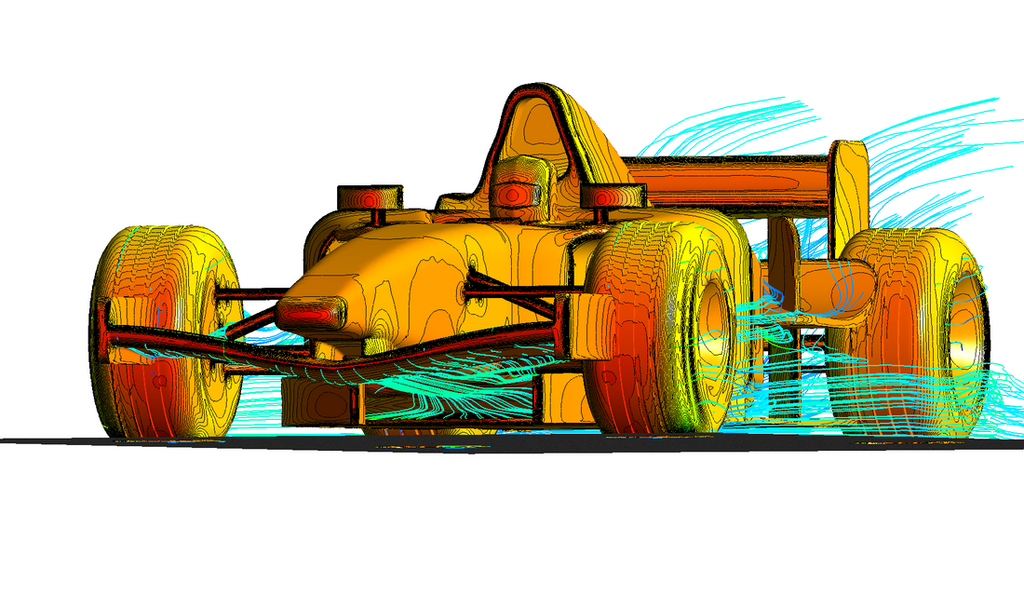
Every surface of an F1 car is meticulously shaped to manipulate airflow, and it all has to comply with the technical regulations. This fusion of physics, engineering, and rule interpretation is at the very heart of the sport.
What are the three primary reasons for the existence of regulations in Formula 1?
Which organization is responsible for writing and enforcing the rules in Formula 1?
Understanding this framework is key to appreciating the complexity and genius behind every car on the grid.