Form Your Freelance LLC
Understanding LLCs
What Is an LLC?
As a freelancer, you are a business owner. But legally, where does your business end and your personal life begin? For many, the answer is a Limited Liability Company, or LLC.
An LLC is a formal business structure that creates a separate legal entity for your freelance work. Think of it as building a wall between your business assets and your personal assets. If your business runs into financial trouble or faces a lawsuit, that wall protects your personal savings, your car, and your home.
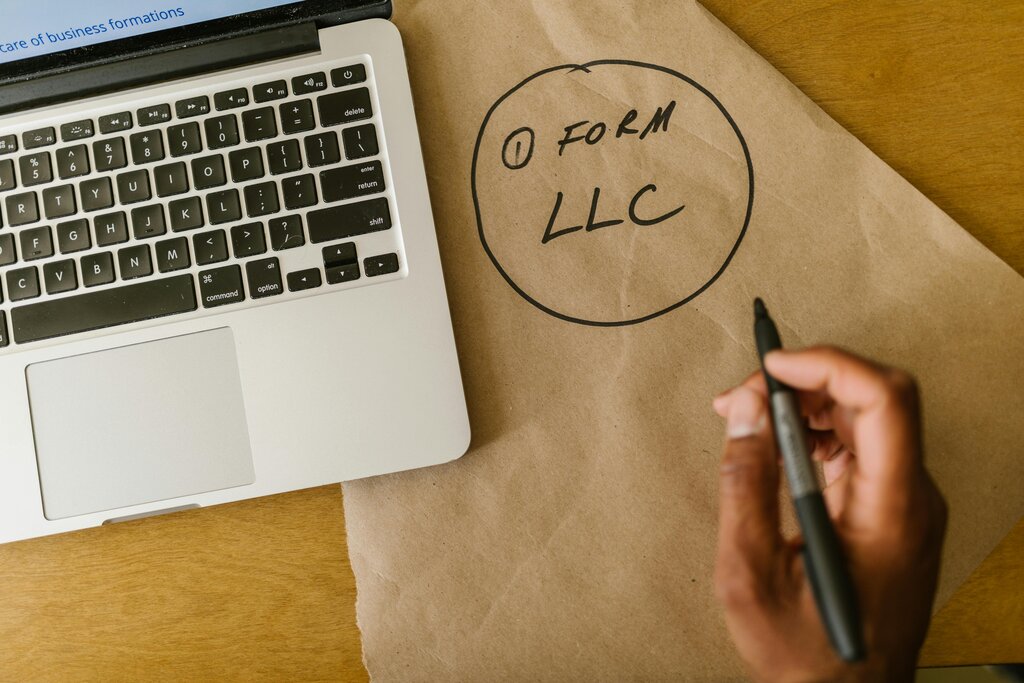
Without this separation, you're likely operating as a sole proprietorship. In that structure, you and your business are legally the same. If a client sues your business, they're suing you, and your personal assets are on the line.
The main reason freelancers consider an LLC is limited liability protection—meaning that if something goes wrong, the freelancer’s personal assets remain separate from business debts and lawsuits.
Beyond Liability Protection
The primary benefit is in the name: limited liability. But LLCs offer other significant advantages for freelancers.
Tax Flexibility: By default, a single-person LLC is taxed just like a sole proprietorship. The business's income and expenses are reported on your personal tax return. This is called "pass-through" taxation. It avoids the double taxation that corporations face, where the company is taxed on its profits, and then the owners are taxed again on their income.
Enhanced Credibility: Adding "LLC" to your business name adds a layer of professionalism. It signals to potential clients that you are a serious, established business. This can help you land larger contracts and build trust.
| Feature | Sole Proprietorship | Single-Member LLC |
|---|---|---|
| Legal Structure | You and the business are one entity. | The business is a separate legal entity. |
| Liability | Personal assets are at risk. | Personal assets are protected. |
| Credibility | Can be seen as less formal. | Often perceived as more professional. |
| Taxation | Profits pass through to personal return. | Profits pass through (default). |
Is an LLC Right for You?
Forming an LLC isn't a requirement for freelancing, and it might not be the right choice for everyone. The decision depends on your specific situation.
An LLC is often a smart move if you:
- Are concerned about potential lawsuits in your line of work.
- Plan to take on business debt or sign significant contracts.
- Want to clearly separate your business and personal finances.
- Are looking to build a more professional brand.
However, you might decide to wait if you:
- Are just starting out with very low income.
- Work in a low-risk field.
- Find the initial setup and annual fees in your state to be a financial burden.
Time to see what you've learned about LLCs.
What is the primary legal benefit of forming an LLC for a freelancer?
How does a sole proprietorship legally differ from an LLC regarding liability?
Ultimately, creating an LLC is about building a stronger foundation for your business. It provides peace of mind and sets you up for future growth.