Forex Trading Essentials
Introduction to Forex
What is Forex Trading?
If you've ever traveled to another country, you've participated in the foreign exchange market. Say you’re from the United States and you visit Japan. You'll need to exchange your U.S. dollars for Japanese yen to pay for things. The rate at which you exchange them changes constantly.
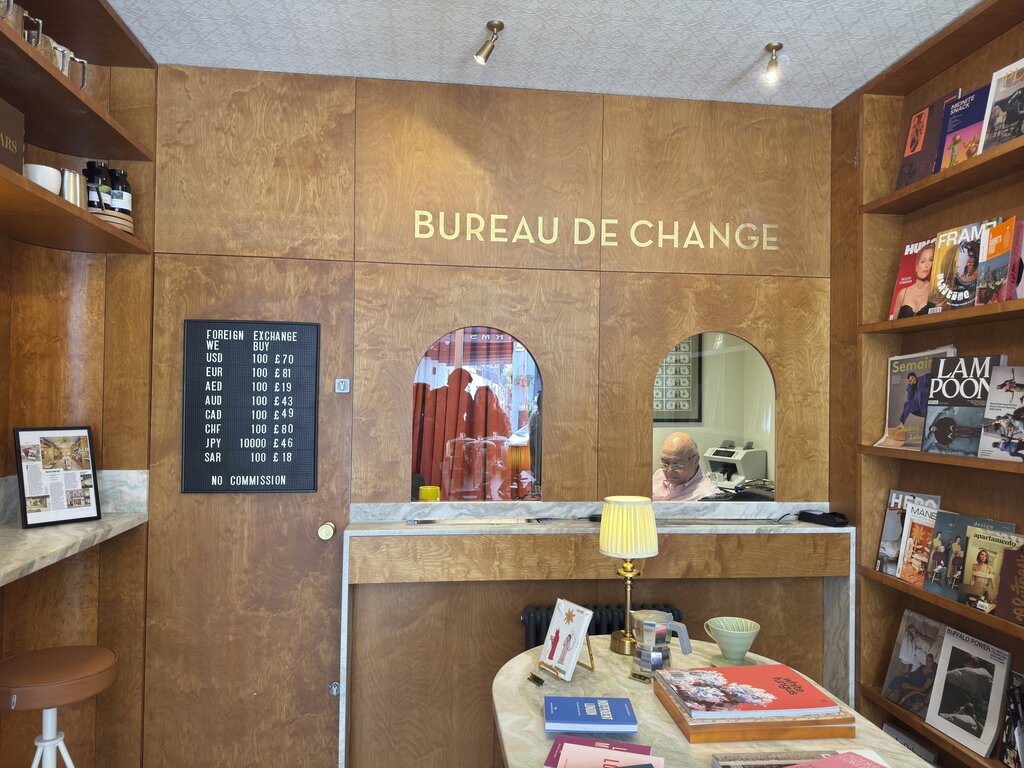
Forex trading, or FX trading, is the act of buying and selling currencies with the goal of profiting from these changes in value. Instead of exchanging money for a vacation, traders speculate on whether a currency's value will go up or down relative to another.
It’s like the stock market, but instead of trading shares of a company, you're trading a country's currency.
The World's Biggest Market
The forex market is the largest and most active financial market in the world, with trillions of dollars traded every day. Unlike the New York Stock Exchange, which has a physical location, the forex market is decentralized. It’s an “over-the-counter” (OTC) market, which means trading happens electronically through a global network of banks, corporations, and individuals. There is no central hub.
Several key groups participate in this market:
- Super Banks: These are the giants, like Citigroup and JPMorgan Chase. They trade massive volumes of currency with each other in what's called the interbank market, setting the exchange rates we see.
- Large Companies: Businesses that operate internationally need to exchange currencies to buy materials or sell products abroad. For example, a German car manufacturer buying steel from South Korea needs to convert euros to won.
- Governments and Central Banks: Institutions like the U.S. Federal Reserve or the European Central Bank trade currencies to manage their country's reserves, stabilize their own currency, or adjust economic policy.
- Retail Traders: This includes individuals trading their own money, often through online platforms, hoping to profit from currency fluctuations.
The Language of Forex
In forex, you never trade a currency in isolation. You're always exchanging one for another. This is why currencies are quoted in pairs.
Currency Pair
noun
The quotation of two different currencies, with the value of one currency being quoted against the other.
A currency pair has two parts: the base currency and the quote currency. Let's look at an example:
EUR/USD = 1.08
- Base Currency (EUR): The first currency in the pair. It's the one you are buying or selling.
- Quote Currency (USD): The second currency. It’s what you use to value the base currency.
The exchange rate of 1.08 means that one euro (the base currency) is worth 1.08 U.S. dollars (the quote currency).
When you buy a pair, you are buying the base currency and selling the quote currency. When you sell a pair, you do the opposite.
Currency pairs are generally grouped into three main categories.
| Category | Description | Examples |
|---|---|---|
| Majors | The most traded pairs. They always include the U.S. dollar (USD) and are known for high liquidity. | EUR/USD, USD/JPY, GBP/USD, USD/CHF |
| Minors (Crosses) | Pairs that do not include the U.S. dollar but feature other major currencies like the euro, yen, or pound. | EUR/GBP, EUR/JPY, GBP/AUD |
| Exotics | Pairs consisting of one major currency and one currency from an emerging or smaller economy. They are less liquid and more volatile. | USD/ZAR (South African Rand), USD/TRY (Turkish Lira), EUR/SGD (Singapore Dollar) |
Now that you have a grasp of these core concepts, it's time to test your knowledge.
What is the primary goal of forex (FX) trading?
Which of the following best describes the structure of the forex market?
Understanding these fundamentals is the first step. You've learned what forex is, who trades it, and how currencies are paired. This foundation is essential for exploring how the market moves and how trades are made.