Forex Trading Essentials
Forex Market Basics
The Global Money Marketplace
The foreign exchange market, or Forex, is where the world's currencies are traded. Think of it as a massive, decentralized marketplace. Unlike a stock exchange with a physical location, Forex trading happens electronically, connecting banks, corporations, and individuals across the globe.
Its main purpose is to facilitate international trade and investment. If a German car company wants to buy steel from Japan, it needs to convert its euros into yen. If an American tourist visits Mexico, they need to swap dollars for pesos. The Forex market makes these exchanges possible, setting the value of one currency against another.
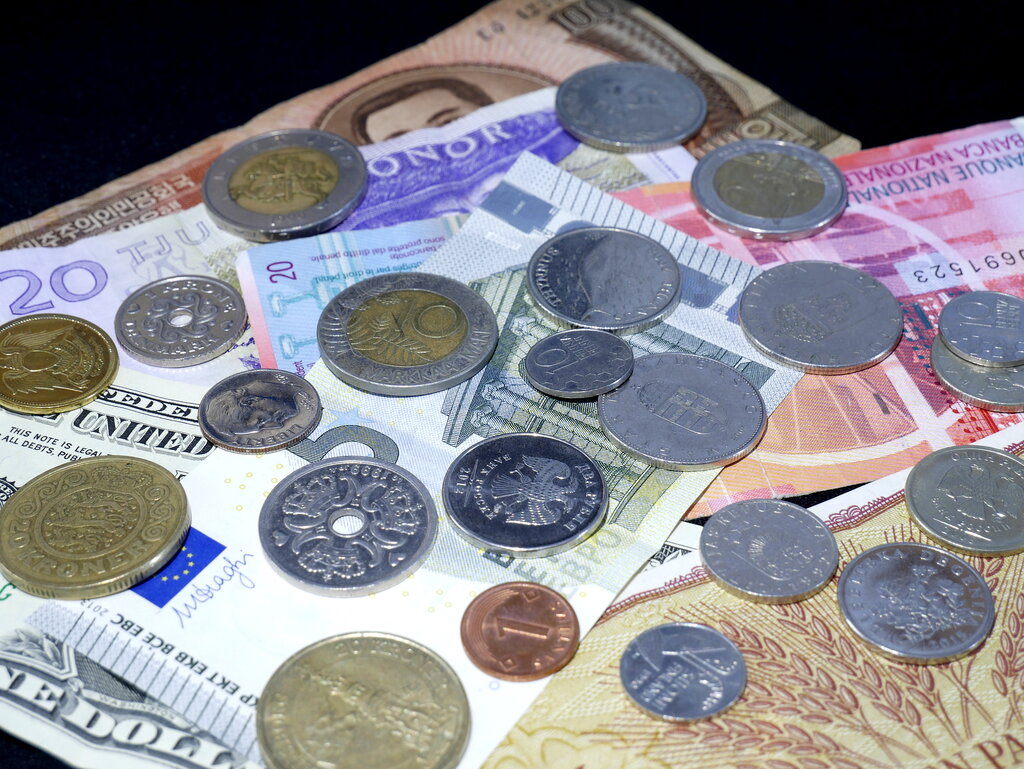
This constant exchange creates a dynamic environment where currency values fluctuate every second, driven by supply and demand, economic news, and global events.
Meet the Players
The Forex market isn't just one group of people. It's a complex ecosystem with players of all sizes, each with different goals.
At the top are the central banks, like the U.S. Federal Reserve or the European Central Bank. They manage their country's currency, money supply, and interest rates, holding vast foreign currency reserves.
Next are the major commercial banks. They provide the plumbing for the market, executing trades for their clients and trading for their own accounts. They handle the overwhelming majority of all Forex transactions.
Then come institutional investors and corporations. This includes everyone from hedge funds speculating on currency movements to multinational companies like Toyota or Samsung, which need to exchange currencies to pay international staff and suppliers.
Finally, there are retail traders—individuals who trade their own money, hoping to profit from currency fluctuations. While the smallest part of the market by volume, this group has grown rapidly with the rise of online trading platforms.
Trading in Pairs
In the Forex market, you never just buy or sell one currency. You always trade one currency for another. This is why currencies are quoted in pairs.
A currency pair tells you how much of one currency is needed to buy one unit of another.
Let's look at the most traded pair: EUR/USD. The first currency (EUR) is the base currency. The second (USD) is the quote currency. If the price of EUR/USD is 1.08, it means that one euro is worth 1.08 U.S. dollars. The base currency is always equal to one unit.
When you buy this pair, you are buying the base currency (euros) and selling the quote currency (dollars). You do this if you believe the euro will strengthen against the dollar. If you sell the pair, you're doing the opposite.
| Category | Description | Examples |
|---|---|---|
| Majors | The most traded pairs. All involve the U.S. dollar (USD). | EUR/USD, USD/JPY, GBP/USD |
| Minors (Crosses) | Pairs of major currencies that do not include the USD. | EUR/GBP, EUR/JPY, AUD/CAD |
| Exotics | A major currency paired with one from an emerging economy. | USD/MXN, EUR/TRY, USD/ZAR |
Majors are popular because they have the highest trading volume, which usually means lower transaction costs. Exotics are less frequently traded and can be more volatile.
A 24-Hour Market
The Forex market is a truly global operation. It follows the sun around the world, opening in Sydney, then moving to Tokyo, London, and finally New York before the cycle begins again. This creates a seamless 24-hour, five-day-a-week market.
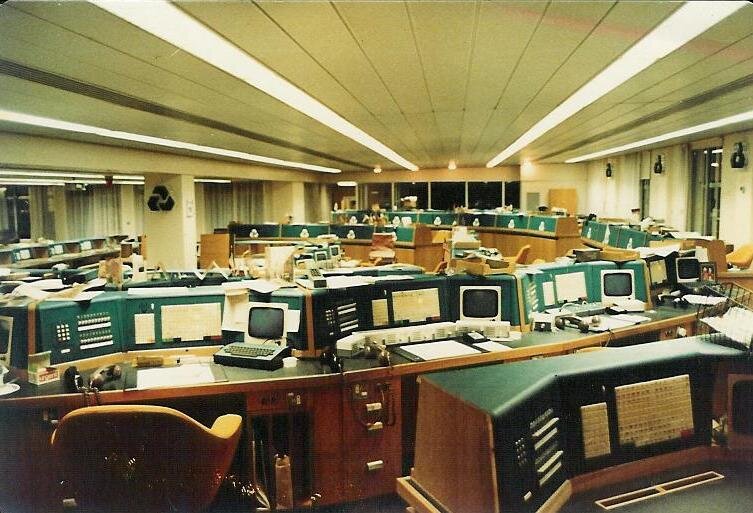
The busiest times are when major sessions overlap. For example, the overlap between the London and New York sessions is known for high trading volume and significant price movements.
This continuous nature means you can trade whenever it's convenient for you, and the market is always reacting to new information, day or night.
There are several advantages to this market structure.
- High Liquidity: With trillions of dollars traded daily, it's the most liquid financial market in the world. This means you can typically buy and sell currencies instantly without causing a major price shift.
- Accessibility: Anyone can open an account and start trading with a relatively small amount of capital.
- Bidirectional Profit Potential: Unlike investing in stocks, where you generally profit when prices rise, Forex traders can profit from both rising and falling markets by buying a pair they expect to appreciate or selling one they expect to depreciate.
What is the primary purpose of the foreign exchange (Forex) market?
If the price of the USD/CAD currency pair is 1.35, what does this quote signify?
Understanding these core concepts provides the foundation for exploring how the Forex market works in more detail.