Forex Trading Essentials
Forex Market Basics
The World's Largest Market
The foreign exchange market, or forex (FX), is where currencies are traded. Unlike the stock market, it doesn't have a central location or exchange. Instead, it's a global network of banks, brokers, and traders who buy and sell currencies 24 hours a day, five days a week. It's the largest financial market in the world by a long shot, with trillions of dollars changing hands every day.
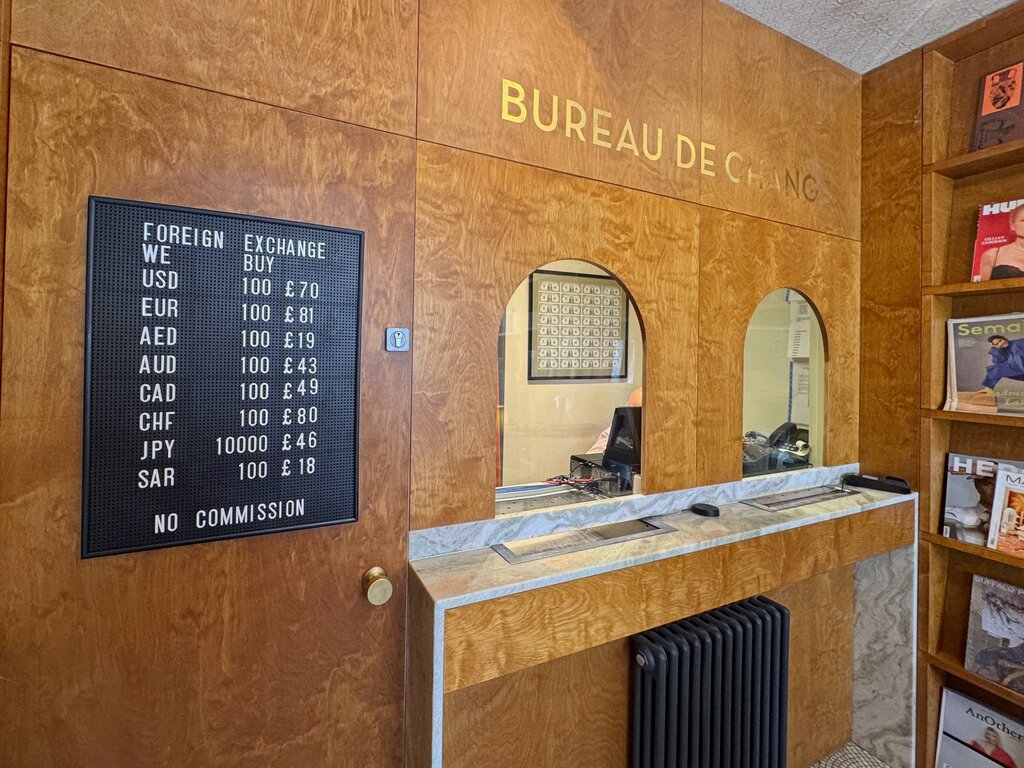
This market exists for a simple reason: international trade and investment. If a European company wants to buy goods from Japan, it needs to convert its euros (EUR) into Japanese yen (JPY). If an American investor wants to buy shares in a British company, they need to exchange U.S. dollars (USD) for British pounds (GBP). This constant need to swap currencies is what drives the market.
The Language of Currencies
In forex, currencies are always quoted in pairs, like EUR/USD or USD/JPY. This is because you're always buying one currency while simultaneously selling another. The first currency listed is the base currency, and the second is the quote currency.
A quote like EUR/USD = 1.08 means that one euro (the base currency) is worth 1.08 U.S. dollars (the quote currency). The value of the base currency is always 1.
If you buy the EUR/USD pair, you're buying euros and selling dollars. If you sell the pair, you're selling euros and buying dollars.
Currency pairs are grouped into three main categories based on how often they're traded.
| Category | Description | Examples |
|---|---|---|
| Majors | Pairs that include the U.S. dollar and another major currency. They are the most liquid and widely traded. | EUR/USD, USD/JPY, GBP/USD, USD/CHF |
| Minors | Pairs of major currencies that do not include the U.S. dollar. Also known as cross-currency pairs. | EUR/GBP, EUR/JPY, GBP/JPY |
| Exotics | A major currency paired with the currency of an emerging or smaller economy. | USD/MXN (Mexican Peso), EUR/TRY (Turkish Lira) |
Reading a Quote
When you look at a forex quote, you'll actually see two numbers, not just one. This is the bid and ask price.
For example, GBP/USD might be quoted as 1.2650 / 1.2652.
- Bid Price (1.2650): This is the price at which a broker is willing to buy the base currency (GBP) from you in exchange for the quote currency (USD). It's the price you get if you sell.
- Ask Price (1.2652): This is the price at which a broker will sell you the base currency. It's the price you pay if you buy.
The ask price is always slightly higher than the bid price. The difference between the two is called the spread. This is how brokers make their money.
Spread
noun
The difference between the bid (sell) price and the ask (buy) price of a currency pair.
Think of it like a currency exchange booth at an airport. They'll always buy a currency from you for a little less than they'll sell it back to you. That small margin is their profit.
Market Movers
Currency values are constantly shifting because of a wide range of factors. At the top level are central banks, like the U.S. Federal Reserve or the European Central Bank. Their decisions on interest rates have a huge impact on currency values. Higher interest rates often attract foreign investment, strengthening a currency.
Large financial institutions and corporations are also major players, trading massive volumes for international business and investment. Finally, retail traders—individuals trading their own money—make up a small but growing segment of the market.
Economic data releases are a primary driver of short-term movements. Reports on inflation, employment, and economic growth (GDP) can cause a currency's value to swing as traders digest the news. Geopolitical events, like major elections or regional conflicts, also introduce uncertainty and can cause investors to move their money to perceived "safe-haven" currencies, like the U.S. dollar or Swiss franc.
Time to check what you've learned.
What is a key characteristic of the foreign exchange (forex) market?
In the currency pair USD/JPY, the 'USD' is referred to as the ________ currency.
Understanding these core components—what the market is, who participates, and what moves it—is the first step into the world of foreign exchange.