Forex Trading Essentials
Introduction to Forex Trading
The World's Marketplace
The foreign exchange market, or Forex (FX), is where currencies are traded. It’s the largest financial market in the world, and it doesn't have a central location. Instead, trading happens electronically all over the globe, 24 hours a day, five days a week.
Its main purpose is to facilitate international trade and investment. If a company in the United States wants to buy goods from Japan, it needs to pay in Japanese Yen (JPY). The American company must exchange its U.S. dollars (USD) for yen. This exchange is a Forex transaction.
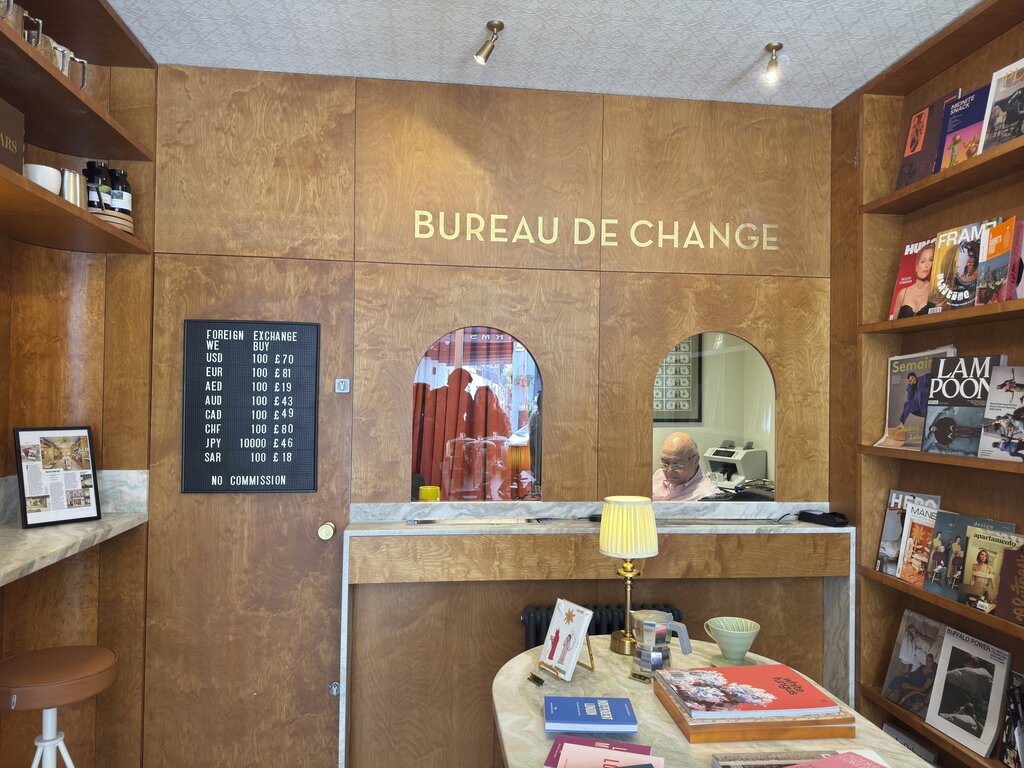
Think about the last time you traveled to another country. Before you could buy a coffee or a train ticket, you likely had to exchange your home currency for the local one. You participated in the Forex market.
Reading the Pairs
In Forex, you don't just buy a currency; you simultaneously buy one currency and sell another. This is why currencies are always quoted in pairs.
Let's look at the most traded pair: EUR/USD. The first currency listed (EUR) is the base currency, and the second (USD) is the quote currency. The price you see for this pair tells you how many units of the quote currency are needed to buy one unit of the base currency.
If EUR/USD = 1.08, it means one Euro costs 1.08 U.S. dollars.
When you buy this pair, you are buying Euros and selling U.S. dollars. You believe the Euro will strengthen against the dollar. If you sell the pair, you are selling Euros and buying U.S. dollars, expecting the Euro to weaken.
Pip
noun
Short for 'percentage in point' or 'price interest point', a pip is the smallest price move that a given exchange rate can make. For most currency pairs, one pip is 0.0001.
Types of Pairs
Currency pairs are generally split into three categories based on how often they're traded.
| Category | Description | Examples |
|---|---|---|
| Majors | Pairs that include the U.S. dollar and are the most frequently traded. They have high liquidity. | EUR/USD, USD/JPY, GBP/USD, USD/CHF |
| Minors | Pairs that do not include the U.S. dollar but feature other major currencies. Also known as cross-currency pairs. | EUR/GBP, EUR/JPY, GBP/JPY, AUD/CAD |
| Exotics | A major currency paired with the currency of an emerging or smaller economy. These are less liquid and can be more volatile. | USD/TRY (Turkish Lira), EUR/ZAR (South African Rand), JPY/NOK (Norwegian Krone) |
The Market Players
The Forex market isn't just one big group of traders. It's a complex ecosystem with different participants, each with their own goals.
Central banks, like the U.S. Federal Reserve or the European Central Bank, are at the top. They manage their country's currency and can intervene in the market to influence its value.
Below them are the major commercial and investment banks. They form the interbank market, where they trade currencies with each other on behalf of themselves and their clients. These clients include large corporations conducting international business, institutional investors like pension funds, and retail traders like you.
Time to check your understanding of these core concepts.
What is a primary characteristic of the foreign exchange (Forex) market?
In the currency pair GBP/JPY, what is the role of GBP?
Understanding these foundational pieces is the first step. You now know what the Forex market is, how its prices are quoted, and who the key players are.