Forex Trading Essentials
Introduction to Forex
The Global Currency Marketplace
The foreign exchange market, or Forex (FX), is where currencies are traded. It’s the largest financial market in the world, with trillions of dollars changing hands every day. Unlike a stock market with a central location, Forex is a decentralized global network of banks, corporations, and individuals buying and selling currencies.
Think of it as the engine of the global economy. When a German company buys parts from Japan, it must convert its euros into yen. When an American tourist visits Mexico, they exchange dollars for pesos. These transactions are the backbone of international trade and travel, and they all happen on the Forex market.
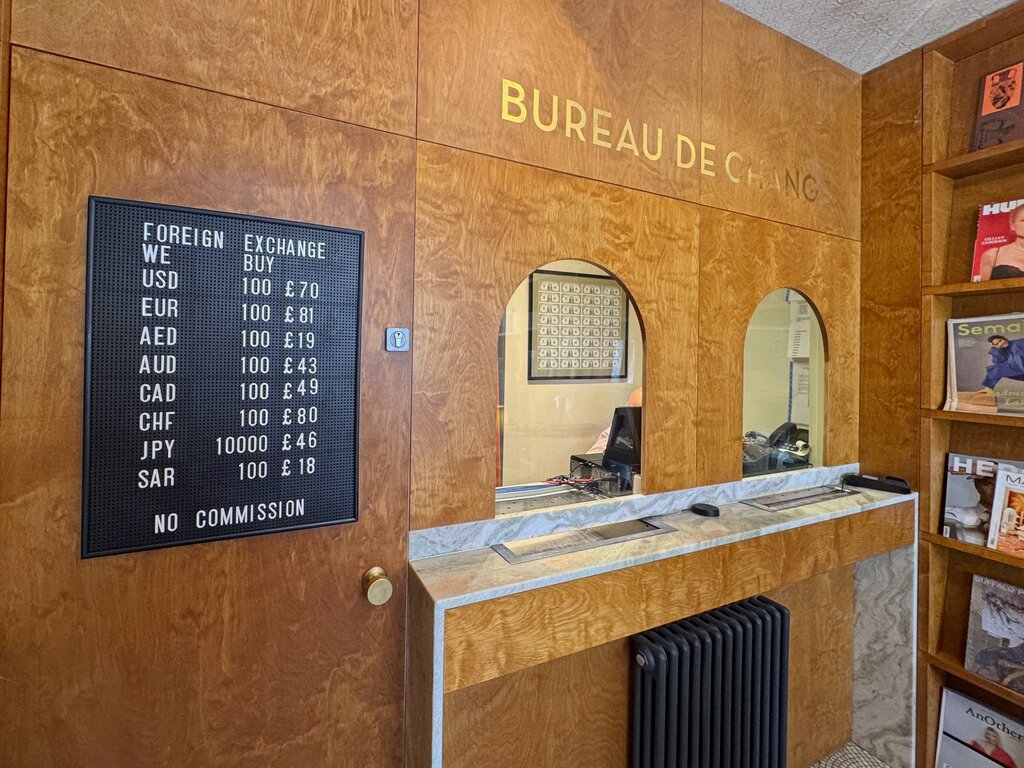
Because it operates across major financial centers like London, New York, Tokyo, and Sydney, the market is active 24 hours a day, five days a week. As one market closes, another one opens, creating a continuous flow of trading activity.
Trading in Pairs
In Forex, you never just buy or sell a single currency. You are always exchanging one currency for another. This is why currencies are quoted in pairs.
When you trade a currency pair, you are simultaneously buying one currency and selling the other.
Let's look at the most traded currency pair in the world: EUR/USD.
The first currency (EUR) is the base currency. The second (USD) is the quote currency. The exchange rate tells you how much of the quote currency you need to buy one unit of the base currency.
If you buy the EUR/USD pair, you are buying euros and selling US dollars. You would do this if you believe the euro will strengthen against the dollar. If you sell the pair, you are selling euros and buying dollars, expecting the euro to weaken.
Who Trades on the Market?
The Forex market is diverse, with several types of participants influencing currency prices. They aren't all speculators trying to make a profit.
| Participant | Role in the Market |
|---|---|
| Central Banks | Implement monetary policy, manage foreign currency reserves, and stabilize their own currency. (e.g., the U.S. Federal Reserve) |
| Major Banks | Act as dealers, providing liquidity to the market by buying and selling currencies with other banks and clients. They also trade for their own accounts. |
| Corporations | Engage in international trade of goods and services. They use the Forex market to convert payments and hedge against currency risk. |
| Retail Traders | Individuals who trade currencies for their own accounts, typically for speculative purposes, aiming to profit from fluctuations in exchange rates. |
Liquidity and Volatility
Two key characteristics of the Forex market are liquidity and volatility. They might sound technical, but they're simple concepts.
Liquidity
noun
The ability to buy or sell an asset quickly without causing a significant change in its price. In Forex, high liquidity means there are many buyers and sellers at any given time.
High liquidity is generally a good thing. It means you can trade major currencies like the US dollar or the Euro almost instantly at a fair market price. Markets with low liquidity are riskier because it can be harder to find a buyer or seller when you need one.
Volatility measures how much a currency's price swings up and down. A highly volatile currency experiences large price changes in a short amount of time. While this creates opportunities for profit, it also significantly increases risk. Factors like economic data releases, political instability, or central bank decisions can all cause volatility to spike.
Understanding these basic elements is the first step into the world of foreign exchange. The interplay of currency pairs, market participants, and market conditions creates a dynamic environment for global finance.