Forex Trading Essentials
Introduction to Forex
The World's Biggest Market
When you travel to another country, one of the first things you do is exchange your home currency for the local one. You're participating in the foreign exchange market, also known as forex or FX. This isn't a single place like the New York Stock Exchange. It's a massive, decentralized network of banks, corporations, and individuals all trading currencies, 24 hours a day, five days a week.
The primary purpose of the forex market is to facilitate international trade and investment. If a German car company wants to build a factory in the United States, it needs to convert its euros into U.S. dollars to pay for land, materials, and labor. This global flow of money is what makes the forex market the largest and most liquid financial market in the world, with trillions of dollars traded every day.
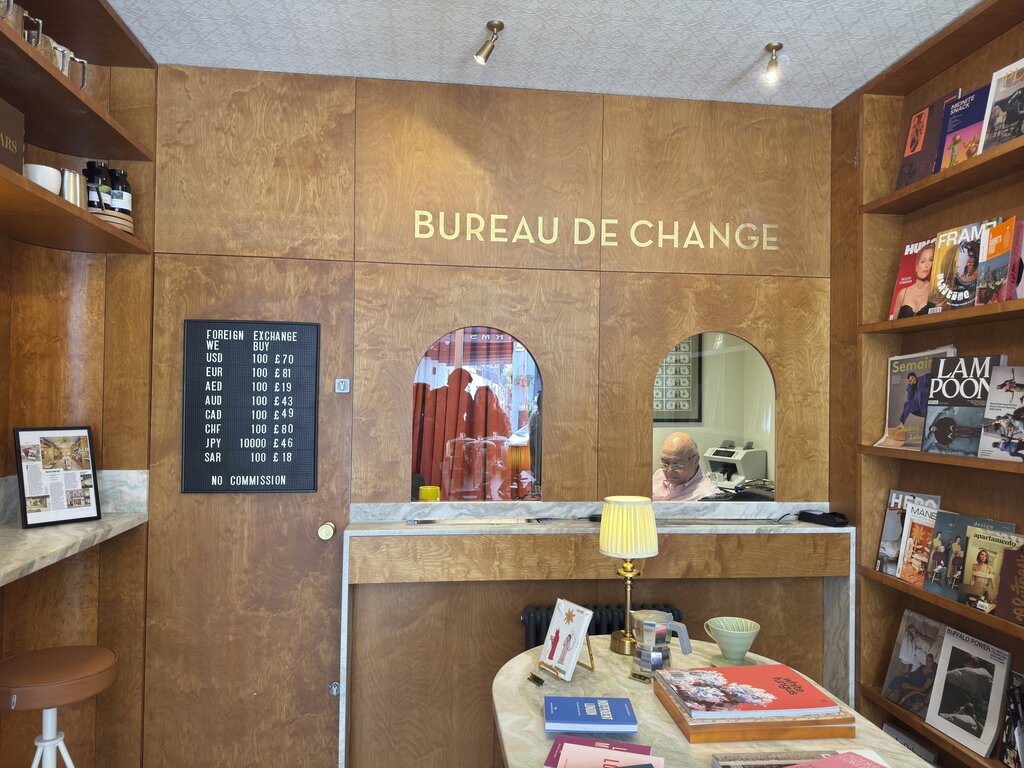
Reading Currency Pairs
In the forex market, currencies are always traded in pairs. You don't just buy U.S. dollars; you buy U.S. dollars with another currency, like the euro. This relationship is expressed as a pair, such as EUR/USD.
Let's break down what this means:
- Base Currency: The first currency in the pair (EUR in our example). It's the currency you are buying or selling. The base currency always has a value of 1.
- Quote Currency: The second currency (USD). This is the price of the base currency. It tells you how much of the quote currency is needed to buy one unit of the base currency.
If the EUR/USD exchange rate is 1.08, it means that one euro is worth 1.08 U.S. dollars. To buy €100, you would need to sell 💲108.
When you trade forex, you're speculating on the future value of one currency against another. If you think the euro will strengthen against the dollar, you would buy the EUR/USD pair. If you think it will weaken, you would sell it.
Who Trades Forex?
The forex market is diverse, with several key participants, each with different motivations.
Market Maker
noun
A financial institution that provides liquidity to a market by being ready to buy and sell securities or currencies at publicly quoted prices.
The biggest players are large commercial and investment banks. They trade massive volumes, both for their own accounts and on behalf of their clients. They are the market makers, creating the bid and ask prices that form the backbone of the market.
Central banks, like the U.S. Federal Reserve or the European Central Bank, also play a crucial role. They manage their nation's currency and can intervene in the market to influence its value, often to stabilize their economy or adjust to changing economic conditions.
Corporations use the forex market for practical business reasons. An American company that buys electronics from Japan needs to exchange U.S. dollars for Japanese yen to complete the purchase. These transactions are essential for global commerce.
Finally, there are individual traders, also known as retail traders. These are people who speculate on currency movements, hoping to profit from changes in exchange rates. While their individual trades are small compared to banks, their collective volume is a significant part of the market.
| Participant | Primary Role in the Forex Market |
|---|---|
| Central Banks | Manage national currency and implement monetary policy. |
| Commercial Banks | Act as market makers and facilitate trades for clients. |
| Corporations | Engage in international trade and investment. |
| Individual Traders | Speculate on currency price movements. |
Now that you understand the basics of the forex market, let's test your knowledge.
What is the primary purpose of the foreign exchange (forex) market?
In the currency pair CAD/CHF, what is the role of the Canadian Dollar (CAD)?