Forex Technical Analysis Mastery
Forex Market Basics
The World's Largest Market
The foreign exchange market, or Forex, is where currencies are traded. Unlike a stock market with a central location like the New York Stock Exchange, Forex is a decentralized, over-the-counter (OTC) market. This means transactions happen directly between two parties, facilitated by a global network of banks and financial institutions. It's the largest financial market in the world, operating 24 hours a day, five days a week, across major financial centers like London, New York, Tokyo, and Sydney.
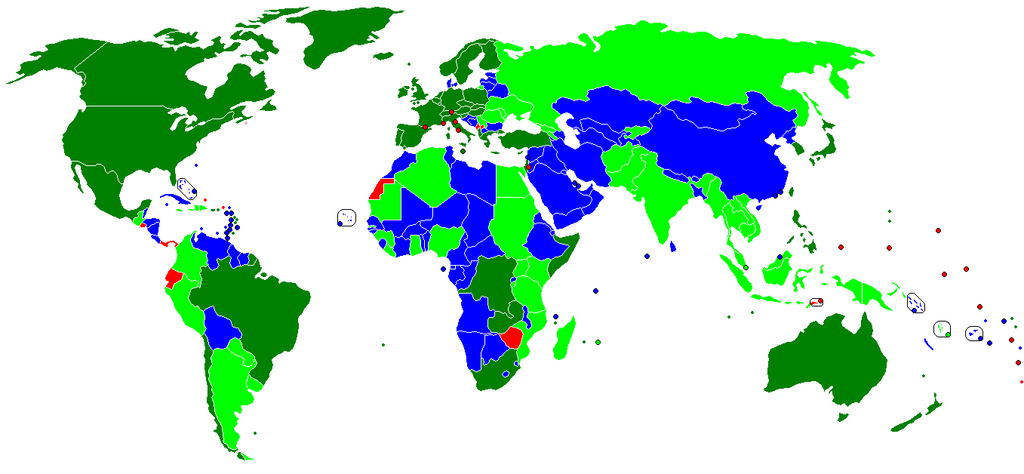
Think of it like a giant, continuous auction where the value of one currency is determined relative to another. This global reach means you can trade currencies almost anytime, which is one of its unique characteristics.
The Players and The Pairs
The Forex market isn't just for individuals speculating on currency movements. The main players are large institutions that need to exchange currency for business or policy reasons.
- Central Banks: Manage their country's currency, money supply, and interest rates.
- Commercial Banks: Facilitate the bulk of Forex transactions for clients and for their own accounts.
- Multinational Corporations: Trade currencies to pay for goods and services in other countries.
- Retail Traders: Individuals who trade currencies for profit.
These participants trade currencies in pairs. When you trade Forex, you are always buying one currency while simultaneously selling another. The most traded pairs are called the 'majors'.
| Pair | Nickname | Currencies Involved |
|---|---|---|
| EUR/USD | Fiber | Euro / U.S. Dollar |
| USD/JPY | Gopher | U.S. Dollar / Japanese Yen |
| GBP/USD | Cable | British Pound / U.S. Dollar |
| USD/CHF | Swissy | U.S. Dollar / Swiss Franc |
| AUD/USD | Aussie | Australian Dollar / U.S. Dollar |
| USD/CAD | Loonie | U.S. Dollar / Canadian Dollar |
| NZD/USD | Kiwi | New Zealand Dollar / U.S. Dollar |
Major pairs always involve the U.S. dollar and are known for their high liquidity, meaning they can be bought or sold in large amounts without causing significant price changes. This generally results in tighter spreads, which is the difference between the buy and sell price.
Currency pairs are the essential building blocks of forex trading.
What Moves the Market
Currency values fluctuate based on supply and demand, which are influenced by several factors. A country's economic health is a primary driver. Strong economic data, like high Gross Domestic Product (GDP) growth or low unemployment, can strengthen its currency.
Interest rates set by central banks are also critical. Higher interest rates tend to attract foreign investment, increasing demand for the country's currency. Conversely, lower rates can have the opposite effect.
Political stability and geopolitical events play a major role, too. A stable political environment is attractive to investors, while uncertainty can cause them to sell a country's currency, weakening its value.
A Matter of Time
Traders analyze currency movements across different timeframes. A timeframe is simply the period of time represented by a single price bar or candle on a chart. Common timeframes range from one minute (M1) to one month (MN).
- Long-term (Daily, Weekly): Traders using these charts, often called position traders, focus on the big picture. They look for major trends that can last for weeks, months, or even years.
- Medium-term (1-Hour, 4-Hour): Swing traders operate here. They hold trades for a few hours to a few days, capturing shorter-term price 'swings' within the larger trend.
- Short-term (1-Minute, 15-Minute): Day traders and scalpers use these charts. They make numerous trades throughout the day, holding positions for minutes or hours, aiming to profit from small price fluctuations.
Choosing a timeframe depends on your trading style and how much time you can dedicate to watching the market. A trader looking at a daily (D1) chart sees a completely different picture than one looking at a one-minute (M1) chart for the same currency pair.
Traders often use multiple timeframes to get a comprehensive view of market structure.
This concept of looking at different timeframes is a cornerstone of technical analysis, allowing traders to align their strategy with both the long-term trend and short-term market movements. Now, let's check your understanding of these core concepts.
Which of the following best describes the structure of the foreign exchange (Forex) market?
A trader who holds positions for several weeks or months to capitalize on major economic trends is most likely using which chart timeframe?