Forex Market Essentials
Introduction to Forex
The Global Currency Marketplace
If you've ever traveled to another country, you've participated in the foreign exchange market. When you swapped your home currency for the local one, you made a forex transaction. The foreign exchange market, or forex, is the world's largest financial market where currencies are bought, sold, and exchanged.
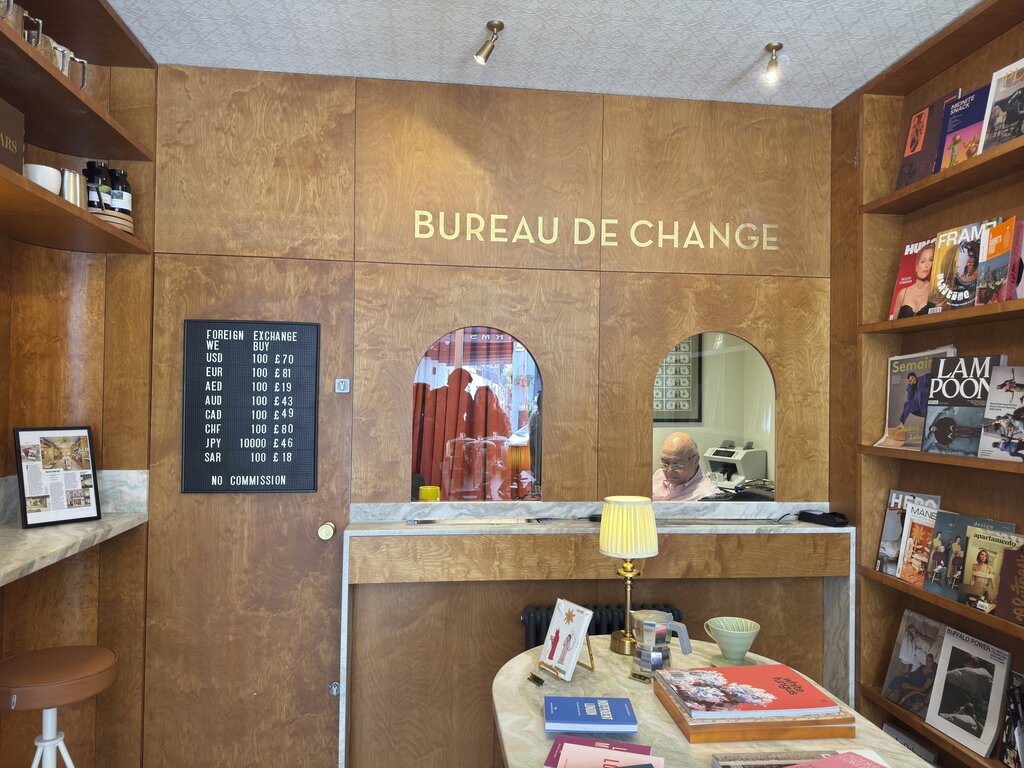
But it's not just for tourists. The primary purpose of the forex market is to facilitate international trade and investment. A Japanese company buying raw materials from Brazil needs to pay in Brazilian real, not Japanese yen. The forex market makes that transaction possible.
Unlike a stock market, which has a central location like the New York Stock Exchange, the forex market is decentralized. It's a global network of banks, brokers, and other financial institutions. Trading happens electronically, 24 hours a day, five and a half days a week, across major financial centers like London, New York, Tokyo, and Sydney.
The Language of Trading
In the forex market, currencies are always traded in pairs. You are simultaneously buying one currency and selling another. This is because the value of one currency is always determined relative to another.
Each currency pair has a 'base' currency and a 'quote' currency. The base currency is the first one listed (e.g., EUR in EUR/USD). The quote currency is the second one. The price, or exchange rate, tells you how much of the quote currency is needed to buy one unit of the base currency.
If the EUR/USD exchange rate is 1.08, it means you need 1.08 U.S. dollars to buy 1 euro.
This structure is fundamental to understanding forex. When you trade a currency pair, you're speculating on whether the base currency will strengthen or weaken against the quote currency.
Who Are the Players?
The forex market is a diverse ecosystem with several types of participants, each with different goals. The major players can be broken down into a few key groups.
| Participant | Primary Role |
|---|---|
| Commercial Banks | Facilitate most forex transactions for clients and trade for their own accounts. They form the core of the market. |
| Central Banks | Manage their country's currency reserves, control the money supply, and influence exchange rates (e.g., the U.S. Federal Reserve). |
| Corporations | Engage in international trade of goods and services. They use forex to pay for imports and convert foreign revenue. |
| Individual Investors | Also known as retail traders, these individuals speculate on currency movements to profit from changes in exchange rates. |
Together, these participants create a dynamic, liquid market that underpins the global economy. From the massive trades of central banks to the small transactions of a traveling student, every exchange contributes to the constant flow of the forex market.