Forex Action Playbook Mastery
Advanced Forex Trading Strategies
The Scalper's Game
You already know the basics of Forex trading. Now it's time to explore strategies that require more precision and a deeper understanding of market movements. We'll start with the fastest-paced strategy: scalping.
Scalping
noun
A trading style that specializes in profiting off of small price changes, generally after a trade is executed and becomes profitable. It requires making a large number of trades, with each trade netting a small profit.
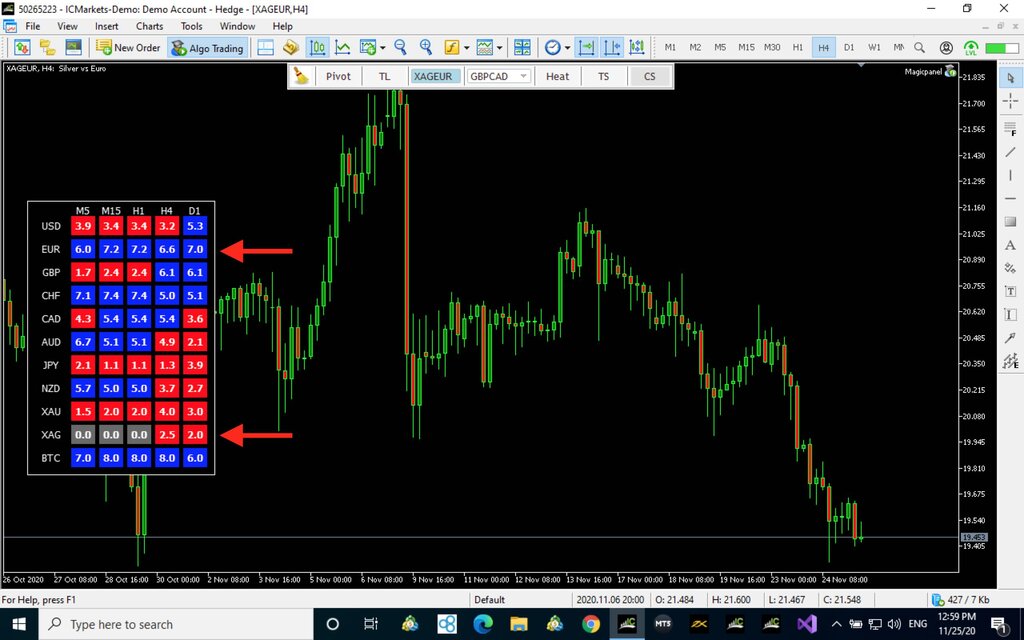
Scalpers operate on very short timeframes, often looking at one-minute or five-minute charts. The goal isn't to catch a massive trend, but to skim small profits from dozens, or even hundreds, of trades in a single day. A scalper might aim to make just 5-10 pips per trade. Success comes from the cumulative effect of these small wins.
This high-frequency approach means you need a trading environment with very low spreads and fast execution speeds. A delay of even a second can turn a profitable trade into a losing one. Discipline is non-negotiable. You must stick rigidly to your entry and exit rules, as a single large loss can wipe out the profits from many successful trades.
Key tools for a scalper include moving average ribbons, the stochastic oscillator, and Parabolic SAR. These indicators help identify momentum and potential reversal points on short-term charts.
Riding the Waves with Swing Trading
If the intensity of scalping isn't for you, swing trading offers a more relaxed pace. This strategy involves holding trades for several days to a few weeks, aiming to capture a significant "swing" or price movement within a larger trend.
Swing trading is a style of trading that aims to capture price moves within a short to medium time frame, often lasting a few days to a few weeks.
Swing traders rely heavily on technical analysis to identify potential entry and exit points. They use tools like Fibonacci retracement, support and resistance levels, and moving averages on longer timeframe charts, such as 4-hour or daily charts. The goal is to enter a trade after a trend has been established and ride the momentum. For example, in an uptrend, a swing trader might buy when the price pulls back to a key support level or moving average, anticipating the trend will resume.
Unlike scalping, swing trading doesn't require constant market monitoring. You can set up your trade with a stop-loss and a take-profit order and let it play out. However, this also means you're exposed to overnight and weekend risk, where market-moving news can cause prices to gap significantly.
Catching the Breakout
Markets often trade within a defined range, consolidating as buyers and sellers battle for control. A breakout occurs when the price decisively moves outside this range, either above a resistance level or below a support level. Breakout trading is a strategy designed to enter the market just as this happens, catching the start of a potential new trend.
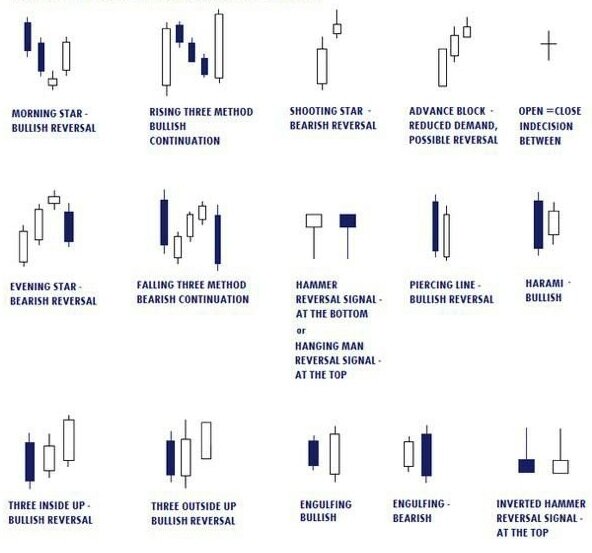
This strategy works best in volatile markets. The key challenge is identifying a true breakout from a "fakeout." A fakeout is when the price briefly moves past a level only to reverse back into its previous range. To avoid this, many traders wait for confirmation. For instance, they might wait for a candle to close outside the range before entering a trade. Increased volume on the breakout is another strong confirmation signal.
Indicators like Bollinger Bands are excellent for this strategy. When the bands squeeze together, it indicates low volatility and a potential consolidation phase. A price move that breaks outside of the squeezed bands can signal a powerful breakout.
| Strategy | Timeframe | Goal per Trade | Mentality |
|---|---|---|---|
| Scalping | 1-5 minutes | 5-10 pips | High-frequency, disciplined, intense focus |
| Swing Trading | 4 hours - Weeks | 50-250 pips | Patient, analytical, trend-following |
| Breakout | Any, often 1-4 hours | Varies, high potential | Opportunistic, confirmation-seeking, manages false signals |
Building a Complete Strategy
The most robust trading strategies don't rely on technical analysis alone. They blend it with fundamental analysis. For example, a swing trader might use technicals to find a good entry point in a currency pair that their fundamental analysis suggests is strong. They might look at interest rate decisions, GDP growth, and employment data to form a long-term bias for a currency.
Imagine you're a swing trader and your fundamental analysis suggests the US dollar will strengthen due to a hawkish stance from the Federal Reserve. You could then look at the EUR/USD chart, wait for a technical sell signal like a break of a key support level, and then enter a short trade. This way, you have both fundamental and technical factors working in your favor.
Combining fundamental analysis (the "why") with technical analysis (the "when") creates a more comprehensive and resilient trading approach.
As you move forward, experiment with these strategies on a demo account. See which one fits your personality, risk tolerance, and schedule. There is no single "best" strategy, only the one that is best for you.
Time to test your knowledge of these advanced strategies.
What is the primary objective of a scalping strategy in Forex trading?
A swing trader, who holds a position for several days, faces a unique risk that a scalper does not. What is this risk?