Forensic Spectralism and the Art of Cultural Investigation
Investigative Aesthetics
From Haunting to Hunting
We've seen how hauntology describes the feeling of a present haunted by lost futures. It’s a powerful mood, a sense that something is missing. But what if we moved from passively feeling this spectral presence to actively hunting for its source? This is the core of investigative aesthetics. Instead of just sensing the ghost, we start looking for the body.
This approach reframes cultural artefacts, buildings, and landscapes. They are no longer just things to be looked at and interpreted for their symbolic meaning. They become witnesses. An artwork, a photograph, or the wall of a building is treated as a material object that has recorded the forces acting upon it. Our job is to learn how to read its testimony.
The World as a Sensor
The central idea is that objects and environments function like sensors. A building in a conflict zone, for example, isn't just a piece of architecture; its facade is a sensor that has registered the impact of bullets and shrapnel. A patch of earth can record the chemical signature of a secret missile strike. Even a digital image file contains metadata and compression artifacts that can reveal its origin and manipulation.
This is where materiality becomes an epistemic category, a way of knowing. The physical or digital properties of an object are not just incidental details. They are data. By analysing the material, we can reconstruct events that someone might want to keep hidden. We shift from a traditional aesthetic appreciation of an object's beauty or form to a forensic interrogation of its substance. We are asking: what have you been through?
Presenting the Evidence
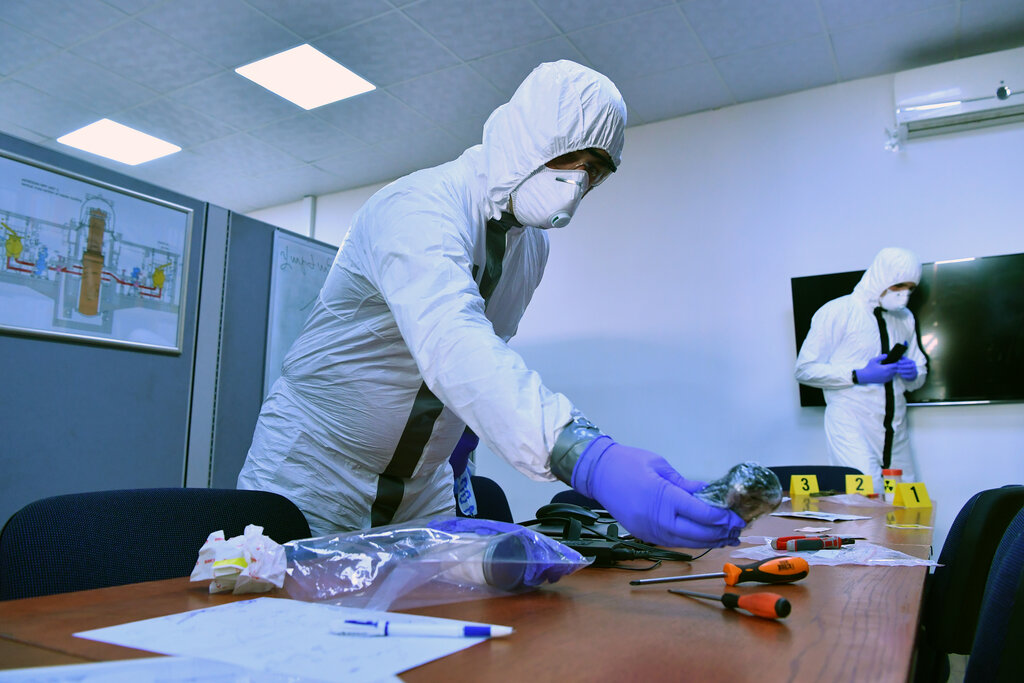
Gathering this evidence is only half the battle. The findings must be presented and argued in a specific arena. Thinker and architect Eyal Weizman calls this space 'the forum'. The forum can be a courtroom, a human rights commission, a news report, or even an art gallery. It's any public space where a claim about reality can be made, contested, and scrutinised.
In the forum, the mode of appearance is everything. How evidence is presented—through 3D models, data visualisations, or reconstructed soundscapes—is crucial to its power. An art gallery, in this context, becomes more than a place for quiet contemplation. It becomes a forum for presenting forensic findings, a space to make visible the physical traces of state violence or corporate negligence that have been deliberately obscured.
This method transforms our understanding of aesthetics. It’s no longer just about perception, beauty, or taste. is about the production of new truths from material evidence and the presentation of those truths in public. The 'ghosts' of hauntology are thus given form and substance. They are located in the physical world as cracks in a wall, stains on the earth, or glitches in a digital file. They are the material record of suppressed narratives.
What is the fundamental shift in perspective from hauntology to investigative aesthetics?
According to investigative aesthetics, how should an object like a building in a conflict zone be primarily understood?
By shifting our perspective in this way, we gain a new set of tools for understanding the world. We learn to see every object not just for what it is, but for what it has recorded.