Forensic Science Fundamentals
Introduction to Forensic Science
What is Forensic Science?
Forensic science is the application of scientific principles and techniques to legal matters. The word “forensic” comes from the Latin word forensis, meaning "of or before the forum." In ancient Rome, a forum was a public place where judicial matters were debated and decided. Today, forensic science serves a similar purpose: it brings objective, scientific evidence into the courtroom.
At its core, forensic science is about using the scientific method to help answer legal questions. It's a bridge between the laboratory and the justice system.
This field isn't just about solving crimes, although that's its most famous application. It can be used in civil cases, such as determining the cause of a structural failure, or in regulatory matters, like verifying the authenticity of a product. It provides impartial information to help judges and juries make informed decisions.
A Quick History
While modern forensic science is a relatively new field, its roots are ancient. Early forms of forensic medicine were practiced in China as far back as the 13th century, where investigators used observations about decomposition to estimate time of death.
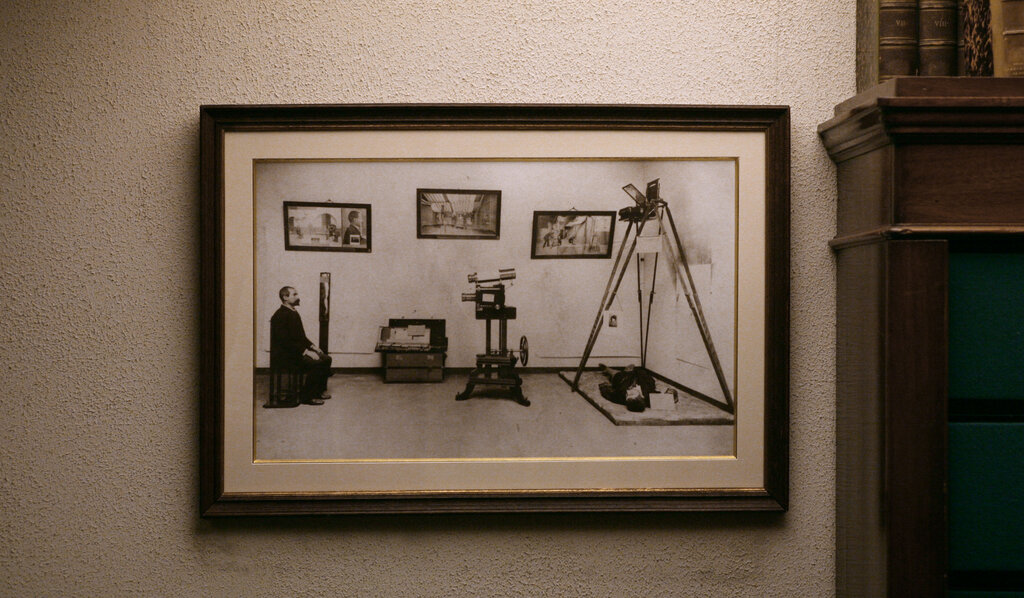
The 19th century was a turning point. A French police clerk named Alphonse Bertillon developed the first system of personal identification, called anthropometry. It involved taking detailed body measurements to identify repeat offenders. While flawed and eventually replaced, it was the first attempt to use scientific principles for criminal identification.
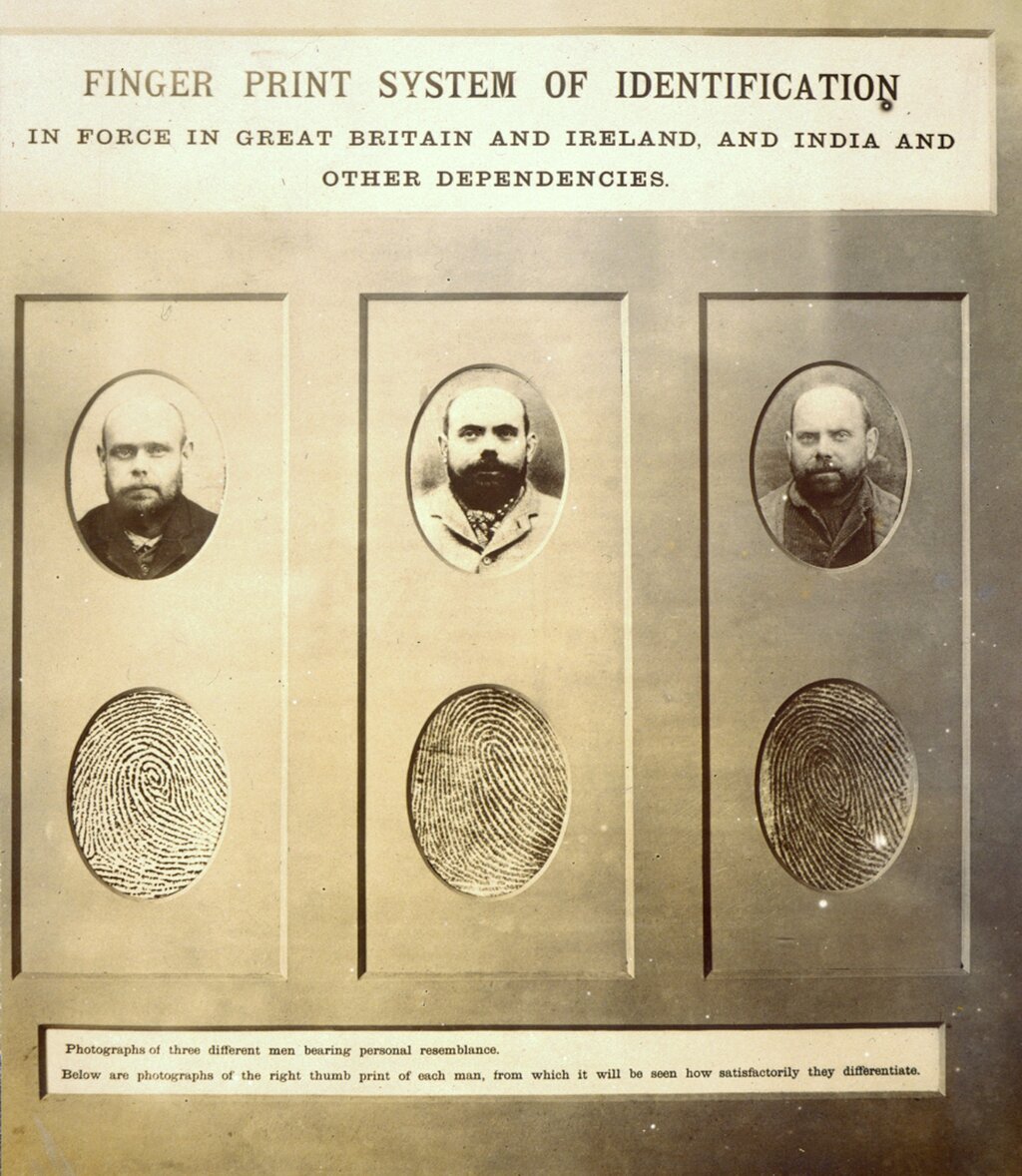
Soon after, the study of fingerprints emerged as a more reliable method. The unique patterns of ridges and valleys on our fingertips were recognized as a powerful tool for identification. This method, pioneered by figures like Sir Francis Galton, quickly became a cornerstone of criminal investigation worldwide.
The 20th century saw the establishment of the first crime labs. French criminologist Edmond Locard founded one of the first in Lyon, France, in 1910. He is best known for Locard's Exchange Principle, which states that whenever two objects come into contact, there is a transfer of material. This is the basis for collecting trace evidence like hairs and fibers.
The most significant leap forward came in the 1980s with the discovery of DNA fingerprinting by Sir Alec Jeffreys. This revolutionized the field, allowing for near-certain identification from biological evidence like blood or hair.
The Role in Justice
Forensic science plays a crucial role in the criminal justice system. Its primary function is to provide objective evidence that can help establish the facts of a case. This evidence can serve several purposes.
It can link a suspect to a crime scene or a victim, or do the opposite: prove a suspect was not present. It can identify victims, confirm or refute witness accounts, and help reconstruct the sequence of events.

By providing unbiased, scientific information, forensic science helps ensure that legal outcomes are based on factual evidence rather than just testimony or speculation. It is a powerful tool for both convicting the guilty and, just as importantly, exonerating the innocent.
An Overview of Disciplines
Forensic science is not a single discipline but a broad umbrella covering many different specialties. Each focuses on a particular type of evidence or analysis. Here are a few of the major branches.
| Discipline | Focus |
|---|---|
| Forensic Biology | Analysis of biological evidence such as blood, saliva, and hair, primarily for DNA profiling. |
| Forensic Chemistry | Identification of unknown substances, including drugs, explosives, and gunshot residue. |
| Toxicology | Analysis of bodily fluids and tissues to detect the presence of drugs and poisons. |
| Digital Forensics | Recovery and analysis of data from computers, mobile phones, and other electronic devices. |
| Forensic Pathology | Medical examination of deceased individuals to determine the cause and manner of death. |
| Trace Evidence | Analysis of microscopic evidence like fibers, glass fragments, soil, and paint chips. |
These are just a few examples. Other specialties include forensic anthropology (the study of human remains), odontology (dental evidence), and forensic engineering (investigating material failures). Each field requires specialized training and contributes a unique set of skills to legal investigations.
This wide range of disciplines allows forensic science to tackle an enormous variety of questions, making it an indispensable part of the modern justice system.
Now, let's test your understanding of these foundational concepts.
The word “forensic” originates from the Latin word forensis. What is its meaning?
Who developed anthropometry, the first system of personal identification based on detailed body measurements?