Forensic Hypothesis Formulation
Scientific Method
A Framework for Finding Facts
Forensic science is, at its heart, a search for truth. To uncover what happened at a crime scene, investigators can't rely on gut feelings or assumptions. They need a reliable, structured process for evaluating evidence and drawing conclusions. This process is the scientific method.
It’s a systematic way of asking questions and finding answers that minimizes bias and error. Whether in a pristine laboratory or at a chaotic crime scene, the scientific method provides the framework for turning observations into evidence-based conclusions. It ensures that the story told by the evidence is as accurate and objective as possible.
The Steps of Inquiry
The scientific method follows a clear sequence of steps. It begins with a simple observation and logically progresses toward a conclusion that can be tested and verified.
Let’s walk through this with a forensic example. Investigators find a footprint at a scene. That's the observation. This leads to a question: Who does the footprint belong to? They might form a hypothesis: "The footprint belongs to the suspect." This is a testable statement.
The experiment involves taking a cast of the print and comparing it to the suspect's shoes. The analysis is the detailed comparison of wear patterns, size, and tread. Finally, the conclusion: The print either matches the suspect's shoe, supporting the hypothesis, or it doesn't, refuting it. If it's a match, it becomes a piece of evidence. If not, investigators must form a new hypothesis.
Essential Principles
Following the steps isn't enough. The scientific method is built on principles that ensure the work is credible and reliable. Two of the most important are objectivity and reproducibility.
Objectivity
noun
The practice of removing personal biases, beliefs, and feelings from the analysis of evidence.
In a legal context, objectivity is non-negotiable. An investigator can't want a particular piece of evidence to point to a specific person. They must follow the data wherever it leads, even if it contradicts their initial theory. A biased investigation isn't just bad science, it can lead to a miscarriage of justice.
The evidence must speak for itself, free from the influence of personal opinion or pressure.
Reproducibility
noun
The ability of an independent researcher to conduct the same experiment under the same conditions and achieve the same results.
Reproducibility is a quality check on the science itself. If a lab determines a sample is a match, another independent lab should be able to run the same test and get the same result. If they can't, the initial finding is unreliable. This principle ensures that forensic techniques are consistent and not just a one-time fluke.
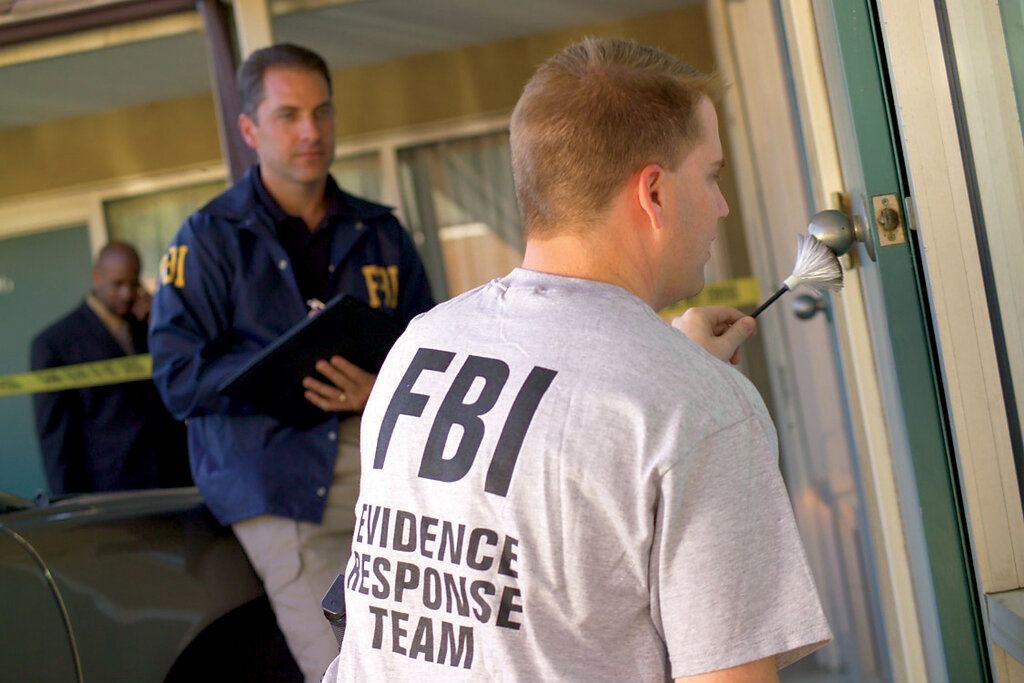
Finally, the scientific community relies on peer review to uphold its standards. Before a new scientific finding or method is widely accepted, it is scrutinized by other experts in the field. They review the methodology, results, and conclusions to check for flaws, biases, or errors in reasoning.
In forensics, this means that a new technique for, say, analyzing digital evidence or identifying a toxin must pass this critical review process before it can be trusted in an investigation and presented in court. Peer review is the ultimate safeguard that ensures forensic science remains rigorous, reliable, and firmly grounded in scientific principles.
Now, let's test your understanding of the scientific method's role in forensic science.
What is the primary reason for using the scientific method in forensic investigations?
An investigator at a crime scene finds a footprint and suggests, "The footprint belongs to the suspect." In the scientific method, what is this testable statement called?
By applying this structured approach, investigators ensure that their conclusions are based not on speculation, but on solid, verifiable evidence.