Forensic Cellular Analysis
CDR Analysis
Decoding Call Detail Records
Every time a phone connects to a network, it leaves a digital footprint. Mobile Network Operators (MNOs) capture these footprints in files called Call Detail Records, or CDRs. For a forensic analyst, CDRs are more than just call logs; they are a raw feed of a device's activity, location, and interactions over time. Think of them not as a diary, but as a high-frequency GPS tracker that also records every conversation partner.
The first challenge is that there's no universal format. The CDRs from AT&T look different from Verizon's, and T-Mobile's are different still. Each carrier has its own schema, column names, and data conventions. Your primary task is to become a data translator, parsing these disparate files to extract the core intelligence common to all of them.
Anatomy of a CDR
While formats vary, the crucial data points are consistent. The most important are those that tell you where a device was when it made a call, sent a text, or used data. This is derived from the cell tower it connected to. Each tower is identified by a Location Area Code (LAC) and a Cell ID (CID). Think of the LAC as the zip code and the CID as the specific street address of the cell site.
Cell towers don't just broadcast a signal in a perfect circle. They use directional antennas, or sectors, to manage network traffic efficiently. A CDR will often include the sector's and beamwidth. The azimuth is the compass direction the antenna is pointing (e.g., 120 degrees), and the beamwidth is the angle or arc of its coverage (e.g., 60 degrees). Together, these two values define a cone-shaped area where the phone must have been located during the connection.
| Field | Description | Example Value |
|---|---|---|
| Calling Number | The device initiating the event | 555-123-4567 |
| Called Number | The device receiving the event | 555-987-6543 |
| Event Type | The type of activity | Voice Call |
| Start Time | When the event began (UTC) | 2023-10-26 18:30:05 |
| Duration | Length of the event in seconds | 124 |
| Start LAC/CID | Location at the start of the call | 31026/14532 |
| End LAC/CID | Location at the end of the call | 31026/14533 |
| Start Azimuth | Sector direction at call start | 40° |
| End Azimuth | Sector direction at call end | 180° |
Voice vs. Data Sessions
Not all CDRs are created equal. It's vital to distinguish between records for voice calls and those for data sessions (often labeled GPRS or LTE). A voice CDR is discrete. It has a clear start and end, tied to the specific action of making or receiving a call. You see the tower used when the call connected and the tower used when it hung up. If the person was moving, these might be different towers.
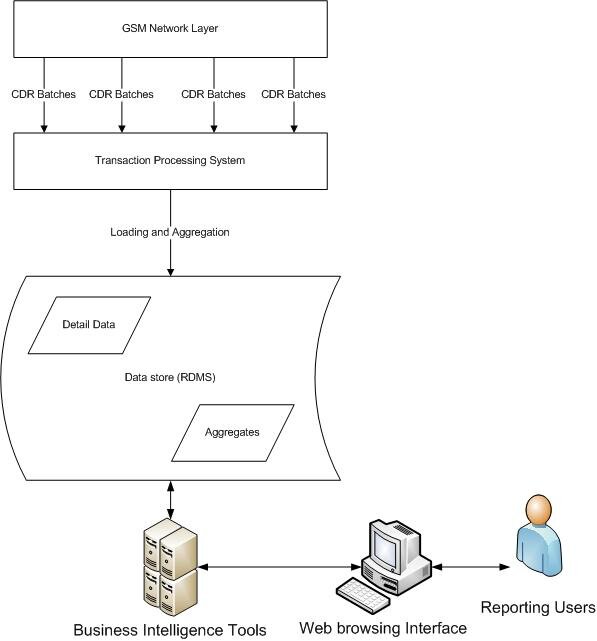
Data CDRs are different. They represent continuous connectivity. A single data session can last for hours, even if the user isn't actively browsing. The phone maintains a connection to the network, and the CDR may log tower handoffs as the user moves. Instead of a simple start and end point, a data CDR can provide a trail of locations over a long period, tracking the device's path through the network.
Finding Patterns in the Noise
An investigator rarely works with CDRs from a single device. The real power comes from combining records from multiple carriers and multiple individuals into a unified timeline. This process, called normalization, involves mapping each carrier's unique field names and formats to a standard schema. Once the data is clean and unified, you can begin the hunt for patterns.
Analysis techniques move beyond simple call logs. You might look for —groups of numbers that frequently interact with each other, but have little contact outside the group. This can reveal a coordinated network. Another key pattern is 'sudden silence,' where a device with a consistent history of activity abruptly stops making calls or using data, often immediately following an incident. Finally, you can analyze frequency shifts, such as a group of phones that suddenly starts communicating intensely just before an event, to identify planning and coordination.
Ready to test your knowledge on CDR analysis?
What is the primary challenge an analyst faces when first receiving Call Detail Records (CDRs) from multiple different carriers like AT&T and Verizon?
In the context of cell tower data within a CDR, what do the azimuth and beamwidth values define?
By parsing, normalizing, and analyzing CDRs, you transform raw, technical data into a coherent narrative of events. This skill is fundamental to modern digital forensics.