Forecasting Real Estate Demand with Climate Migration
Introduction to Climate Migration
The Great Climate Reshuffle
When home is no longer habitable, people move. Throughout history, humans have migrated for opportunity, safety, or a fresh start. Today, a new powerful force is pushing people to relocate: climate change. This movement is known as climate migration.
Climate Migration
noun
The movement of people from their homes, either within their country or across borders, due to the persistent, long-term effects of climate change that make their original environment unsustainable to live in.
Unlike seeking refuge from a sudden war or political crisis, climate migration is often a slower, more complex process. It's driven by gradual environmental shifts that erode a place's ability to support human life and livelihoods. While a single hurricane might displace a community temporarily, climate migration happens when the threat of more intense hurricanes becomes a permanent reality.
Why People Move
Several major environmental changes are driving this global trend. Each one puts unique pressures on communities, forcing them to consider the difficult choice of leaving home.
Rising Sea Levels For coastal communities, the most immediate threat is the encroaching ocean. As global temperatures rise, glaciers and ice sheets melt, and seawater expands. This slow-motion flood makes low-lying areas more vulnerable to storm surges, contaminates freshwater sources with salt, and eventually submerges land entirely.
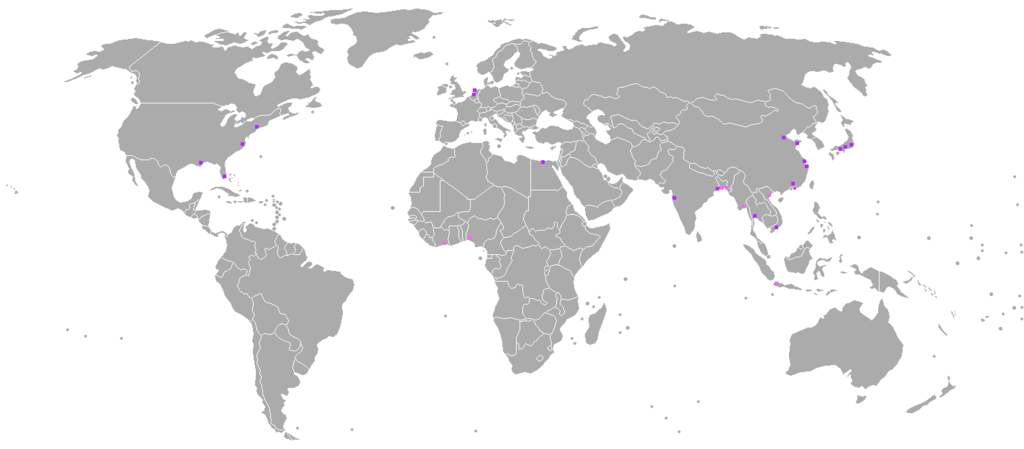
From small island nations in the Pacific to major cities like Miami and Jakarta, millions of people face displacement as the shoreline creeps inward.
Extreme Weather Events A warming planet supercharges our weather. Hurricanes become more intense, rainfall leads to more devastating floods, and heat waves become more frequent and severe. While communities have always rebuilt after natural disasters, climate change is breaking that cycle. When "once-in-a-century" storms start happening every few years, recovery becomes impossible, forcing people to move to safer ground permanently.
Prolonged Droughts In other parts of the world, the problem isn't too much water, but too little. Shifting weather patterns are causing longer and more severe droughts, turning fertile farmland into dust. For agricultural communities, this is an existential threat. When wells dry up and crops fail year after year, people are left with no choice but to migrate in search of water and a way to make a living.
Not a New Phenomenon
While the scale of modern climate migration is unprecedented, the idea of moving due to environmental change is as old as humanity itself. For thousands of years, shifts in climate have shaped human history and settlement patterns.
Early humans migrated out of Africa, following changing climates and food sources across the globe. The collapse of the Mayan civilization in the 9th century is partly attributed to a prolonged period of severe drought. More recently, the American Dust Bowl of the 1930s was a major climate-driven migration, where hundreds of thousands of families fled the drought-stricken Great Plains.
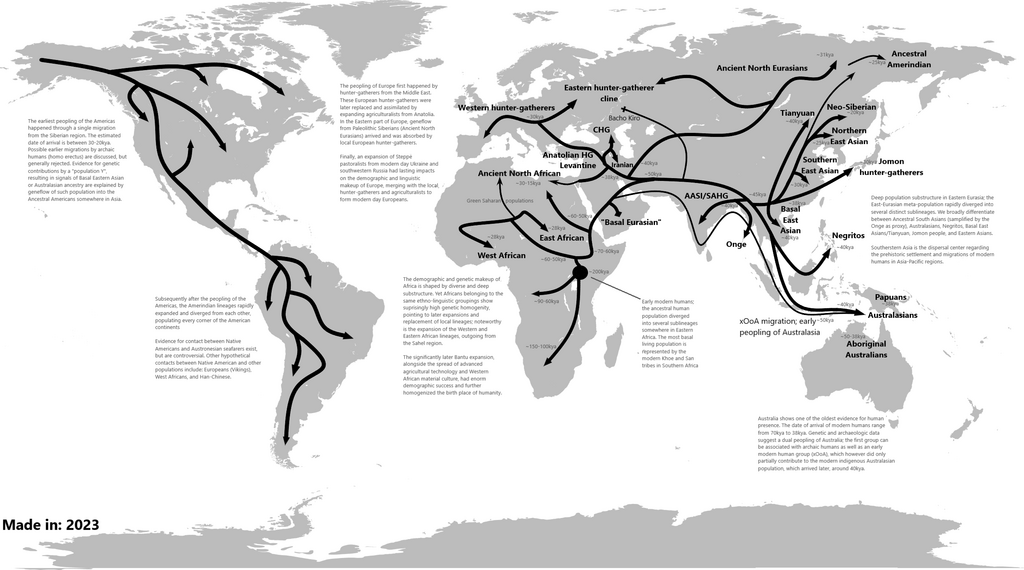
These historical examples show a clear pattern: when the environment changes profoundly, human populations adapt by moving. What's different today is the speed and global scale of the change, driven by human activity.
Increasingly, worsening climate effects, including heat waves, wildfires, floods, droughts, and sea level rise, are leading a growing number of Americans to have second thoughts about where they are living and to decide to move to places that are perceived to be less exposed to these impacts, according to anecdotal reports and a growing volume of academic research.
This isn't a future problem. It's happening now. From farmers in Central America leaving their parched lands to villagers in coastal Alaska relocating as their ground thaws and erodes, climate migration is already reshaping communities around the world.
Time to check your understanding of these foundational concepts.
What is the primary characteristic that distinguishes climate migration from displacement caused by a sudden crisis like a war?
According to the text, which of the following is a historical example of climate-driven migration?
Understanding the drivers and definition of climate migration is the first step. As we'll see, this movement of people has profound effects on economies, cities, and the very fabric of society.