Forecasting Real Estate Demand with Climate Migration
Climate Migration Basics
The Shifting Map
For as long as humans have existed, we have moved. We've crossed continents, oceans, and mountains in search of safety, opportunity, and a better life. Today, a new force is redrawing the map of where people can live: the changing climate. This movement of people, driven by environmental shifts, is known as climate migration.
Climate Migration
noun
The movement of a person or groups of persons who, for compelling reasons of sudden or progressive change in the environment that adversely affects their lives or living conditions, are obliged to leave their habitual homes, or choose to do so, either temporarily or permanently, and who move either within their country or abroad.
Unlike moving for a new job or to be closer to family, climate migration is a response to the physical environment becoming inhospitable. It’s not a single event, but a complex process that can happen in different ways. Some moves are sudden and forced, while others are gradual and planned.
Why People Move
The environmental drivers behind climate migration fall into two main categories: rapid-onset and slow-onset events.
Rapid-onset events are sudden disasters that force immediate evacuation. Think of a powerful hurricane destroying a coastal town, or flash floods washing away homes and farms. People in these situations often have no choice but to leave with whatever they can carry.
Slow-onset events are gradual changes that make an area unlivable over time. This is the steady creep of rising seas that salinates farmland and contaminates drinking water, or the prolonged drought that turns fertile land into dust. These changes can give people more time to plan a move, but the decision is just as difficult.
Key Drivers:
- Sea-level Rise: Directly threatens coastal communities worldwide.
- Extreme Weather: More frequent and intense storms, floods, and wildfires.
- Drought & Water Scarcity: Makes agriculture impossible and threatens survival.
- Desertification: The expansion of desert-like conditions into new areas.
These factors don't exist in a vacuum. They often compound each other, creating a cascade of problems that push people to relocate.
Who Is Moving?
Climate change affects everyone, but it doesn't affect everyone equally. Vulnerability is the key factor. A wealthy family living on the coast might have the resources to build a seawall or move to a second home. A low-income family in the same area may have no choice but to abandon their home and livelihood.
Socio-economic factors play a huge role in who moves, when, and how. People with lower incomes, less education, and fewer social connections often have the least capacity to adapt to environmental changes. They are more likely to live in high-risk areas and have fewer resources to relocate safely. This can lead to what's known as 'involuntary immobility,' where the most vulnerable people are trapped in the most dangerous places because they lack the means to leave.
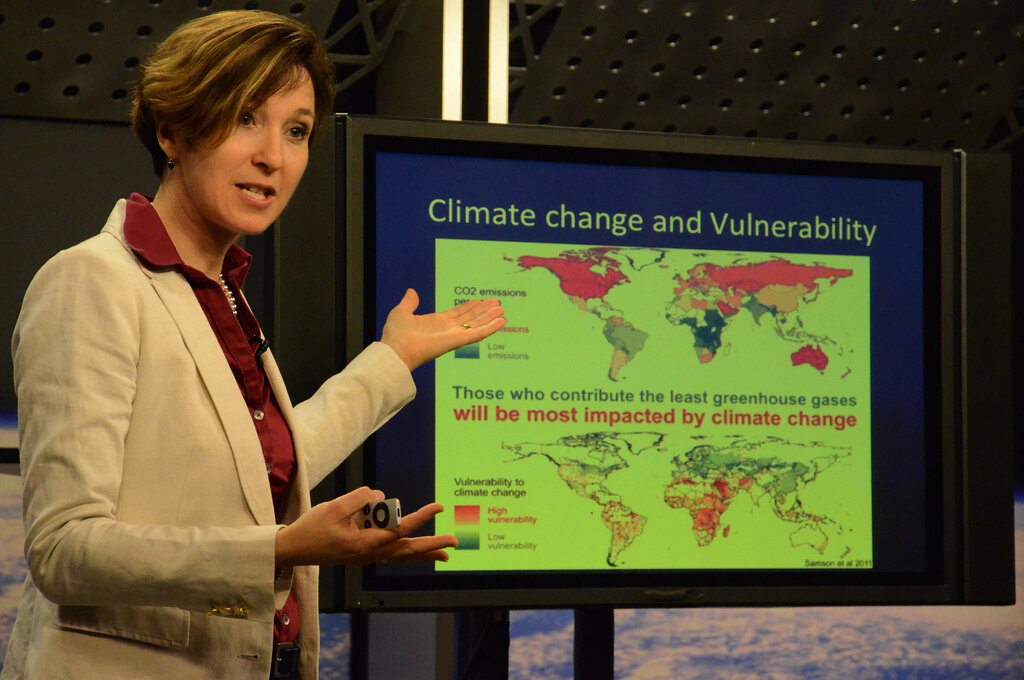
Age is another critical factor. The elderly may be reluctant or physically unable to leave their lifelong homes, while younger people might see migration as their only path to a stable future. Most climate-driven migration happens within a country's borders, not across them. People tend to move the shortest distance possible, often from a rural area to a nearby city, seeking new work and a safer place to live.
Climate migration will largely look like people moving from one neighborhood to another, across town, to the next county over, to a nearby city.
This internal movement is already reshaping the demographics of cities and regions around the world, from the coasts of Bangladesh to the drought-prone areas of Central America. Understanding these fundamentals is the first step in recognizing how these population shifts will influence everything from urban planning to the real estate market.
Ready to test your understanding? Let's see what you've learned about the basics of climate migration.
What is the primary driver of climate migration?
A prolonged drought that gradually turns fertile land into dust is an example of what kind of environmental driver?
Understanding these core concepts provides a foundation for exploring the more complex impacts of climate migration.