Football Warm-ups Urgency and Skill
Understanding Urgency-Based Warm-Ups
The Urgency Warm-Up
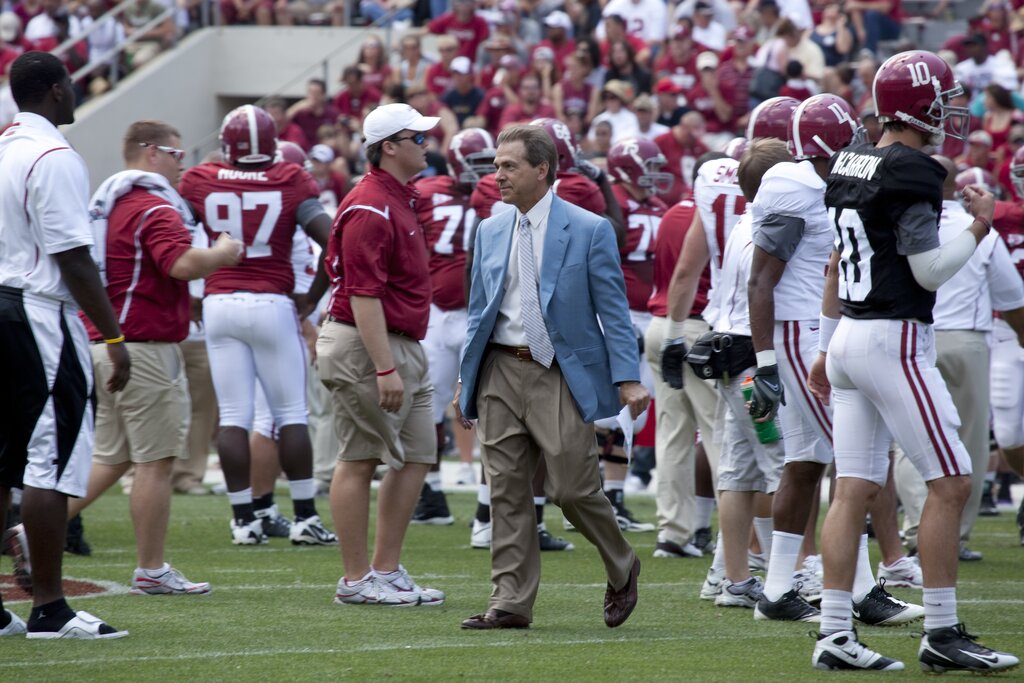
Many coaches view warm-ups as a low-energy prelude to the real practice. Players jog, stretch, and casually go through the motions. But what if the warm-up itself set the tone for the entire session? This is the core idea behind an urgency-based warm-up, a method championed by top coaches like Nick Saban.
Instead of a slow ramp-up, this approach demands focus and intensity from the very first whistle. It’s not about just getting loose; it's about flipping a mental switch. Every drill, even a simple high-knee run, is done with purpose and speed. The goal is to simulate the focus and pressure of a real game before practice even begins.
Mind and Body Ready
The benefits of an urgency-based warm-up are both psychological and physiological. Mentally, it trains players to focus on command. There's no time for minds to wander. When players transition quickly and crisply between drills, they are building habits of concentration that carry directly into game situations.
The goal is to start the practice with the same intensity as the first play of a game.
Physically, this approach is more effective at preparing the body for explosive movements. A slow warm-up might increase blood flow, but an urgent one elevates the heart rate, activates the nervous system, and primes the specific muscle groups used in football. This leads to better performance and can help reduce the risk of injury from sudden, intense exertion.
Warming up before playing sports helps prevent injuries by loosening muscles and increasing blood flow to the muscles and joints.
Putting It Into Practice
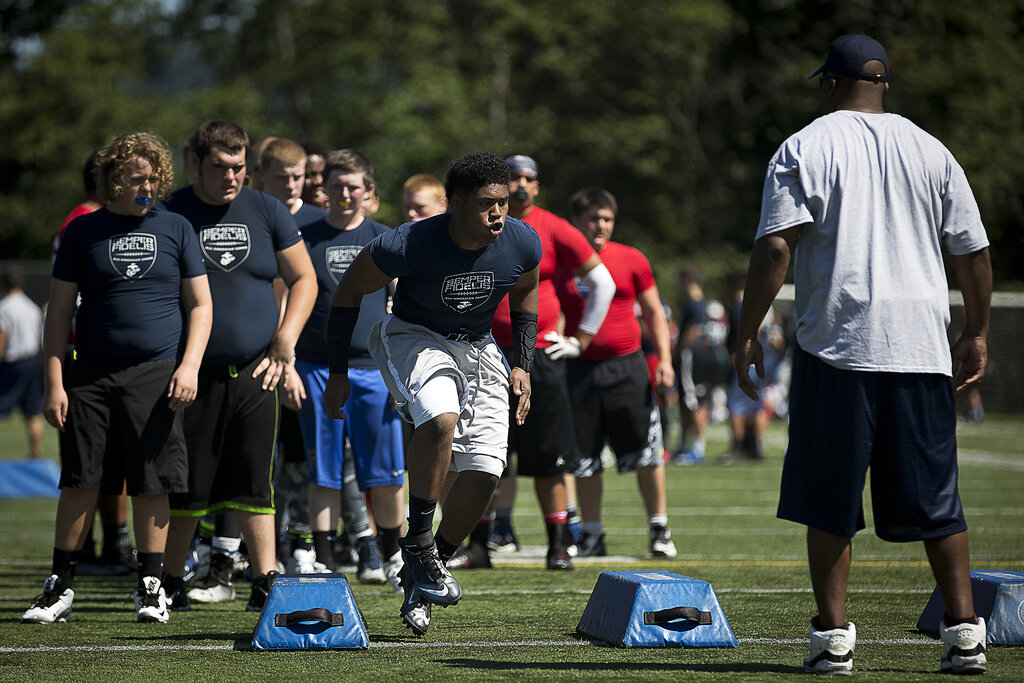
Implementing an urgency warm-up doesn't require complex drills. It's about how the drills are executed. The key is to minimize downtime and demand precise, sharp movements.
Here are some examples of simple drills done with urgency:
- Rapid Lines: Players form lines and perform dynamic movements like high knees, butt kicks, or karaoke. The coach keeps a quick whistle, signaling immediate transitions between exercises. There's no walking back to the line; players jog.
- Stance and Starts: Players get into their football stance (e.g., a three-point stance for linemen). On a clap or whistle, they explode forward for 5-10 yards. This directly rehearses the first movement of a play.
- Form Tackling Circuits: Set up multiple stations with tackling dummies or pads. Players move from one station to the next on a timer, executing a set number of perfect-form tackles at each one with no rest in between.
| Activity | Traditional Approach | Urgency Approach |
|---|---|---|
| Dynamic Stretches | Slow, methodical pace. | Quick transitions on whistle. |
| Position Stances | Players get set casually. | Explode out of stance on command. |
| Transitions | Players walk between drills. | Players jog or sprint. |
| Mental State | Relaxed, low focus. | Game-like concentration. |
By making the warm-up an essential, high-energy part of training, you teach novice players that every second on the field matters. This mindset is the foundation for success.
What is the primary goal of an urgency-based warm-up?
True or False: The effectiveness of an urgency-based warm-up depends on using complex and advanced drills.