Food Production Hygiene for HealthyBinge
Personal Hygiene
The First Line of Defense
When it comes to food safety, you are the first and most important line of defense. The germs you carry on your hands and body can easily transfer to food, potentially making someone sick. That's why good personal hygiene isn't just a suggestion, it's a critical part of the job.
Personal hygiene is the first line of defense against foodborne pathogens.
It all starts with your hands. Your hands touch countless surfaces throughout the day, picking up bacteria and viruses. Without proper washing, these germs can contaminate the food you prepare and serve. Simply rinsing them under water isn't enough.
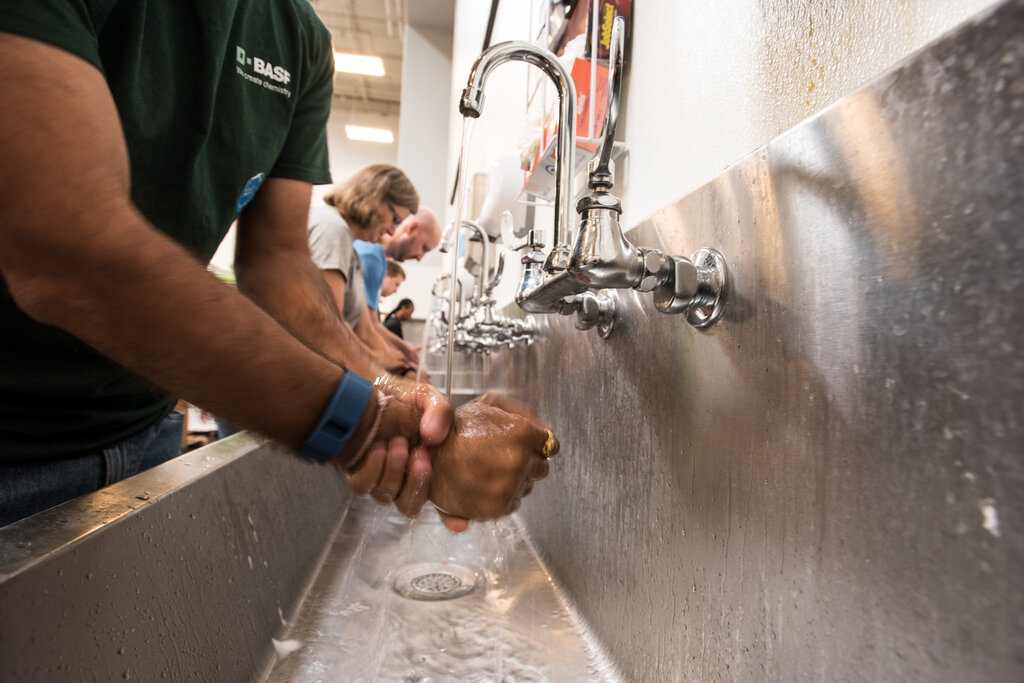
Effective handwashing is a specific process designed to remove as many germs as possible. It must be done frequently, especially after using the restroom, touching your face or hair, handling raw meat, sneezing, or taking out the trash.
Follow these steps every time:
- Wet hands with clean, running water.
- Apply soap and lather well for at least 20 seconds. Scrub your palms, the backs of your hands, between your fingers, and under your nails.
- Rinse thoroughly under clean, running water.
- Dry your hands using a clean paper towel or an air dryer.
Dress the Part
Your clothing can also be a source of contamination. Street clothes carry dust, pet dander, and germs from the outside world. That's why wearing a clean uniform or designated work clothes is essential. This includes aprons, chef coats, and pants that are only worn at work.
Protective clothing acts as a barrier between you and the food. A clean apron, for example, prevents germs on your clothes from touching ingredients. Always start your shift with a clean uniform and change it if it becomes soiled.
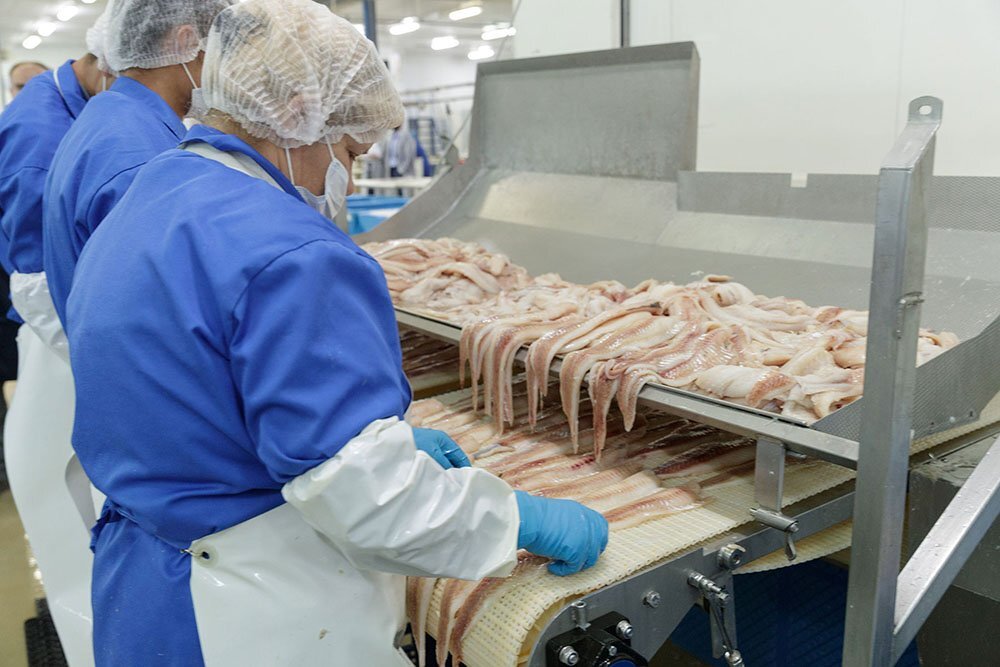
Hair can also carry dirt and bacteria, and a single stray hair can ruin a customer's meal. To prevent this, hair must be properly restrained. Anyone working with food should wear a hairnet, hat, or other effective hair covering. This applies to all hair, including beards. Men with beards should wear a beard restraint, often called a beard net, to ensure no facial hair falls into the food.
Stay Home When You're Sick
One of the most important rules of food safety is to never work when you are ill. Viruses and bacteria that cause illnesses like the flu or norovirus are highly contagious and can easily be transmitted through food. Symptoms like vomiting, diarrhea, jaundice (yellowing of the skin and eyes), or a sore throat with a fever are major red flags.
It is your responsibility to report these symptoms to your manager immediately. This isn't about getting in trouble; it's about protecting your coworkers and the public. Your manager will tell you when it is safe for you to return to work, which is usually after you have been symptom-free for at least 24 hours. Working while sick puts everyone at risk and can cause a foodborne illness outbreak.
Ready to check your understanding of these critical hygiene practices?
Which of the following situations requires a food handler to wash their hands?
A chef with a beard must wear a beard restraint (beard net) while working with food.
Mastering these personal hygiene habits is fundamental to your role in providing safe, quality food.