Food Manufacturing Training Plan Development
Employee Onboarding
Welcome Aboard
Your first few days on the job are about more than just finding your way around. This initial period, known as onboarding, is designed to help you become a confident and effective member of the team. It's where you'll learn the company's culture, your specific duties, and the critical rules that keep our workplace and our products safe.
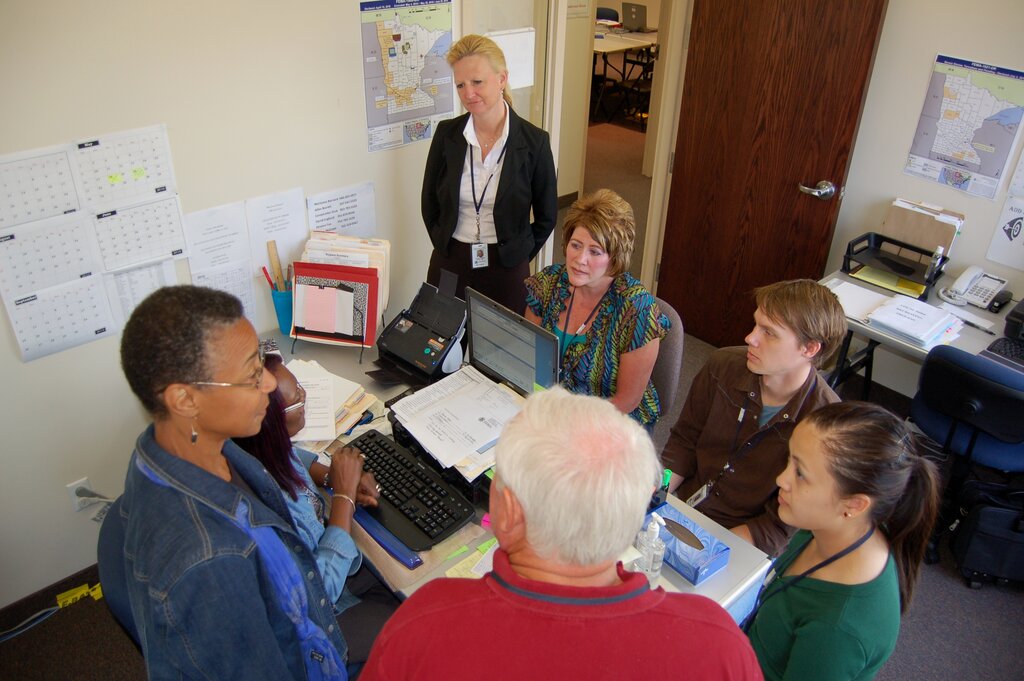
Think of it as learning the playbook for a team. Everyone needs to know the rules and their position to succeed. We'll cover company policies, your role, and the fundamentals of food safety that everyone in this facility must understand.
Policies and Procedures
Every workplace has rules, and ours is no exception. Company policies are the guidelines that ensure our facility runs smoothly, safely, and fairly. They cover everything from your work schedule and dress code to how we communicate with each other. It’s important to familiarize yourself with these procedures, as they form the foundation of our professional environment.
Understanding your specific role is just as crucial. Your job description outlines your tasks, but your responsibilities are also connected to the work of others. A delay or mistake in one area can affect the entire production line. Knowing how your work contributes to the final product helps everyone work together more effectively.
Everyone has a part to play in creating a safe, quality product. Your role is an essential piece of that puzzle.
Introduction to Food Safety
Nothing is more important than the safety of the food we produce. Food safety isn't just the responsibility of a quality control department; it's a core part of everyone's job, every single day. The basic principle is simple: prevent food from becoming unsafe for the consumer.
Contamination
noun
The presence of harmful substances or microorganisms in food, which can cause illness.
This involves protecting food from three main types of hazards: biological (like bacteria), chemical (like cleaning solutions), and physical (like a piece of plastic or metal). Your training will focus on the practical steps you must take to prevent these hazards from entering our products.
Individual worker hygiene plays a key part in ensuring a healthy and safe work environment in food manufacturing plants.
Hygiene and Sanitation
Personal hygiene is the first line of defense in food safety. Because people are one of the most common sources of contamination, your habits directly impact the safety of our food. This starts with proper handwashing. It may sound basic, but it's one of the most effective ways to prevent the spread of germs.
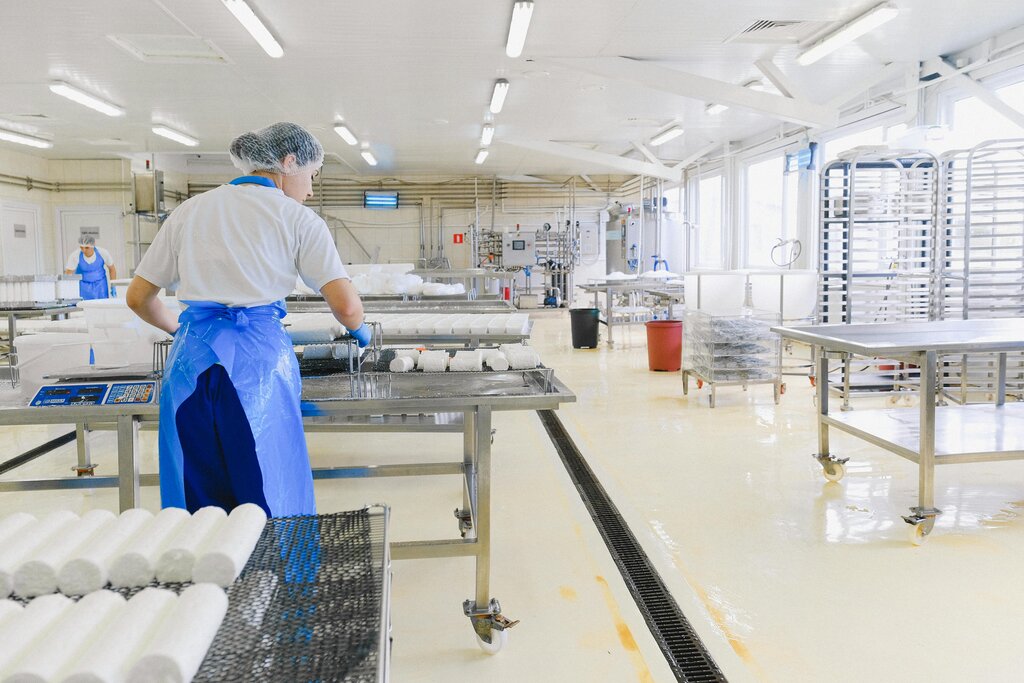
You will be required to follow a strict procedure for handwashing at specific times, such as after using the restroom, after taking a break, and before starting work. You'll also learn the rules for workplace attire. This includes wearing designated uniforms, hairnets, and other personal protective equipment (PPE). These aren't just for show; they create a barrier that protects the food from contaminants you might carry on your clothes or body.
Clean hands, clean uniform, clean workspace. These three simple rules are non-negotiable in food manufacturing.
Finally, maintaining a clean workspace is a shared responsibility. This means keeping your station tidy, cleaning up spills immediately, and following all sanitation protocols for tools and equipment. A clean environment makes it much harder for harmful bacteria to grow and spread.
Time to check your understanding of these core onboarding topics.
What is the primary goal of the onboarding period for a new employee?
Food safety training covers three main types of hazards. Which of the following is NOT one of those types?
Your onboarding sets the stage for your success here. By understanding company policies, your role, and the vital principles of food safety and hygiene, you're ready to contribute to our team and our mission of producing safe, high-quality food.