Food Extrusion Explained
Introduction to Food Extrusion
What is Food Extrusion?
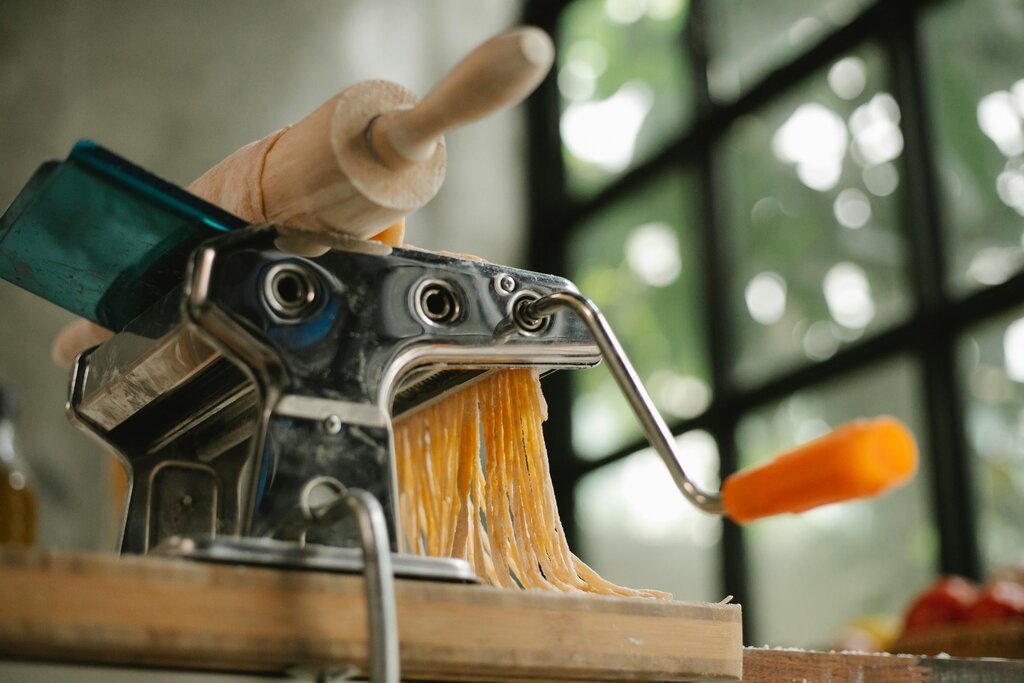
At its core, food extrusion is a process that cooks and shapes ingredients in a single step. A mix of raw materials, like flour and water, is forced through a machine called an extruder. Inside, the mixture is kneaded, heated, and pushed through a shaped opening, known as a die. As it exits, a blade cuts it to the desired length. The result is a uniform product, from a piece of pasta to a breakfast cereal puff.
Think of squeezing dough through a cookie press or icing through a pastry bag tip. Extrusion is the same basic idea, just on a much larger, more powerful industrial scale.
A Brief History
The concept of extrusion isn't new. The first extruder, developed in the late 18th century, was a hand-cranked press for making lead pipes. Its first food application came in the 1870s with the invention of a machine to stuff sausage casings.
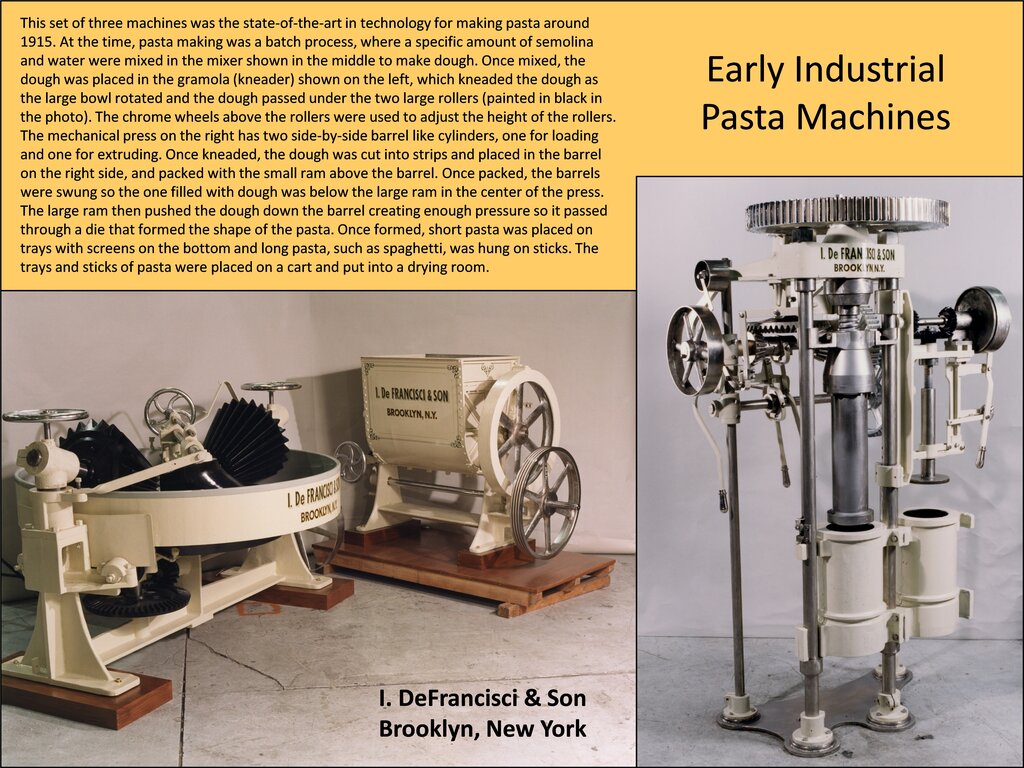
By the 1930s, the technology had been adapted for making pasta and ready-to-eat breakfast cereals. This innovation was a game-changer, allowing for the mass production of consistent, shelf-stable foods that were previously difficult to make at scale. It marked a major step in the modern food processing industry.
How It Works
The extrusion process can be broken down into a few key steps. It all starts with the ingredients, which are typically dry powders like flour, starch, or protein isolates, mixed with water or oil.
- Feeding: The pre-mixed ingredients are fed into the extruder through a hopper.
- Conveying and Mixing: A large, rotating screw inside a barrel pushes the mixture forward. This screw's design kneads and mixes the ingredients into a dough.
- Heating and Cooking: As the dough moves along the barrel, friction and external heaters raise its temperature and pressure. This cooks the starches and proteins in the mixture.
- Forming: At the end of the barrel, the hot dough is forced through a die. The shape of the die determines the final shape of the product—think tubes for ziti or stars for a cereal.
- Cutting: As the shaped dough exits the die, a rotating knife cuts it into individual pieces.
This entire process is continuous, making it incredibly efficient for producing large quantities of food.
Why Extrusion Matters
Extrusion is one of the most versatile and important processes in the modern food industry. It allows manufacturers to create a vast range of products with different textures, shapes, and nutritional profiles from a common set of ingredients. Because the process cooks the food quickly at high temperatures, it also helps to destroy microorganisms and deactivate enzymes, resulting in a safer, more shelf-stable product.
The main advantages of extrusion technology are its efficiency and consistency.
Efficiency: It combines mixing, kneading, cooking, and shaping into one continuous, automated process. This reduces energy consumption, water usage, and production costs compared to traditional batch cooking methods.
Consistency: The process provides precise control over the final product's shape, size, density, and texture, ensuring that every piece is nearly identical.
From creating airy, puffed snacks to dense, chewy pastas, extrusion offers a level of control that few other processes can match. This has made it essential for producing many of the foods we eat every day.
| Category | Examples |
|---|---|
| Breakfast Cereals | Puffed rings, flakes, shredded shapes |
| Pasta & Noodles | Spaghetti, macaroni, fusilli, instant noodles |
| Snack Foods | Puffed corn snacks, cheese curls, pretzels |
| Pet Food | Dry kibble for dogs and cats |
| Plant-Based Meats | Textured vegetable protein (TVP), meat analogs |
| Confectionery | Licorice, some types of gummy candies |
Ready to check your understanding?
What is the primary function of a die in the food extrusion process?
The first food-related application of extrusion technology was for making pasta.
Food extrusion revolutionized the food industry by making mass production of uniform, shelf-stable products not just possible, but highly efficient.