Food Carbohydrate Quantification Methods
Introduction to Carbohydrate Analysis
The World of Carbohydrates
When we analyze food, we look at its basic components: fats, proteins, water, and carbohydrates. Carbohydrates, often just called carbs, are the primary source of energy for our bodies. They range from simple sugars to complex starches and fibers. Understanding how to measure them is crucial for everything from nutrition labeling to quality control in food production.
Carbohydrates are a key energy source, providing 4 kcal/gram energy, and impact blood glucose and insulin levels.
Carbohydrates are not all the same. Their structure determines how they behave in our bodies and in food. We can sort them into three main families based on their size and complexity.
Classifying Carbs
The simplest carbohydrates are called monosaccharides. Think of them as the single, fundamental building blocks of all other carbs.
Monosaccharide
noun
A single sugar molecule, the simplest form of carbohydrate.
When two of these single sugar units link together, they form a disaccharide. The most famous disaccharide is sucrose, or common table sugar, which is made of one glucose unit and one fructose unit.
Finally, when many monosaccharides join in long chains, they create polysaccharides. These are the most complex carbohydrates. Starch, which plants use to store energy, and cellulose, which gives plants their structure, are both polysaccharides made of long chains of glucose.
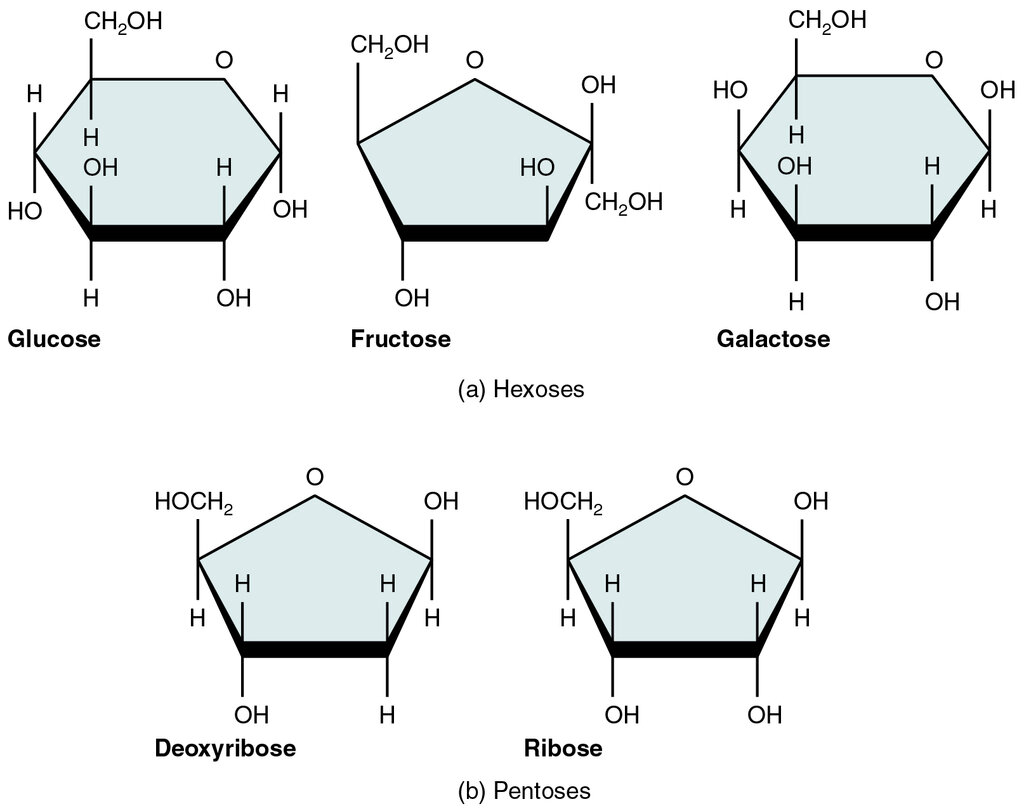
| Category | Description | Common Examples |
|---|---|---|
| Monosaccharides | Single sugar units | Glucose, Fructose, Galactose |
| Disaccharides | Two sugar units linked | Sucrose (table sugar), Lactose (milk sugar) |
| Polysaccharides | Long chains of sugar units | Starch, Cellulose, Glycogen |
Challenges in Analysis
Analyzing the carbohydrate content of food isn't always straightforward. The sheer variety of carb structures makes it tricky. A simple sugar behaves very differently from a complex starch or a dietary fiber.
Furthermore, carbohydrates in food are rarely isolated. They are mixed with proteins, fats, and other components in what we call a food matrix. These other substances can interfere with analytical tests, making it difficult to get an accurate measurement of the carbs alone. Imagine trying to count only the red marbles in a jar filled with marbles of every color, size, and material—some of which are sticky. That's similar to the challenge of analyzing carbs in a complex food like a brownie or a loaf of bread.
How We Measure Them
Given these challenges, scientists have developed several strategies for estimating carbohydrate content. These methods can be grouped into a few main categories.
Direct Methods: These techniques measure the chemical or physical properties of the carbohydrates themselves. For example, some methods use chemical reactions that produce a color change, where the intensity of the color is proportional to the amount of sugar present. Others use light to identify and quantify the carbs.
Indirect Methods: Sometimes, it's easier to measure everything else and calculate the carbohydrates by difference. In food analysis, a common approach is to measure the total weight of a sample and then subtract the measured amounts of water, protein, fat, and ash (minerals). What's left over is assumed to be the carbohydrate content. This is a practical but less precise approach.
The 'by difference' method is common on nutrition labels but can be less accurate because it lumps all measurement errors into the final carbohydrate value.
The choice of method depends on the goal. For a simple nutrition label, an indirect estimate might be sufficient. But for detailed research or quality control, a more precise, direct method is necessary. Each approach provides a different piece of the puzzle in understanding the food we eat.
Time to check your understanding of these foundational concepts.
What is the fundamental building block of all carbohydrates?
Table sugar (sucrose) is a combination of glucose and fructose. This makes it an example of which type of carbohydrate?
This overview sets the stage for looking closer at the specific analytical techniques used to measure these vital nutrients.