Food and Beverage Management Essentials
Introduction to Food and Beverage Management
The World of Food and Beverage
Managing a food and beverage business is about much more than just serving great meals. It’s the art and science of running a complex operation, whether it's a cozy neighborhood cafe, a bustling hotel restaurant, or a university dining hall. The foodservice industry is vast and varied, touching our lives daily in ways we often don't even notice.
At its core, food and beverage management involves coordinating a huge number of moving parts to deliver a consistent, high-quality experience to customers while also turning a profit. It’s a blend of hospitality, business strategy, and operational know-how.
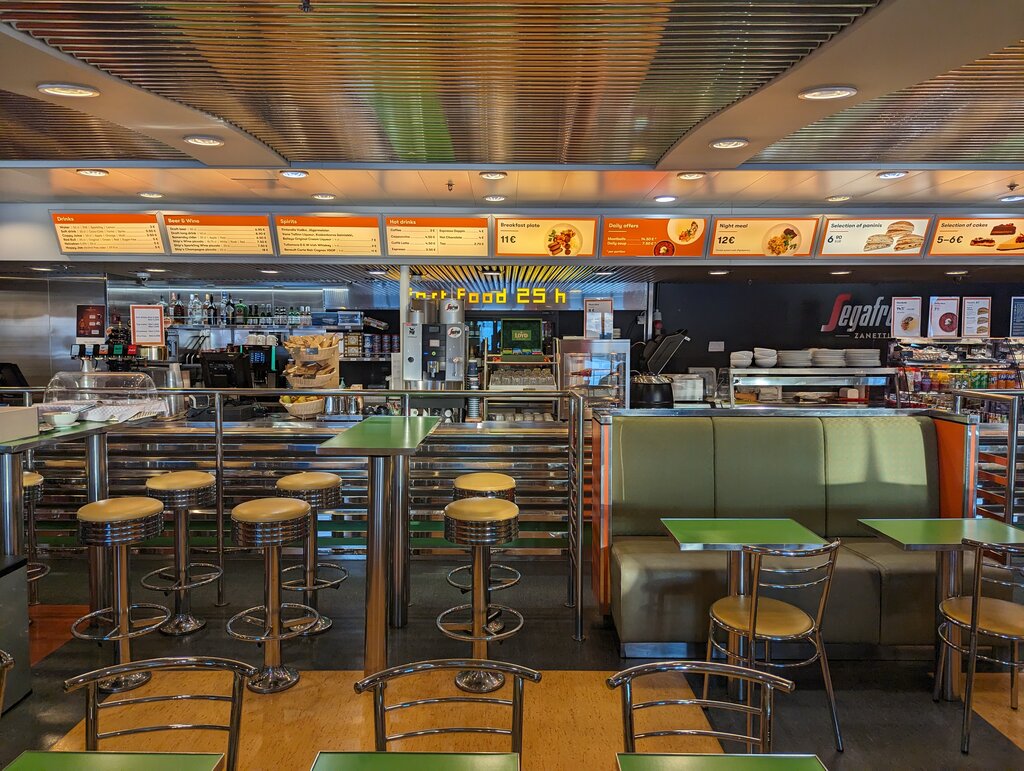
A Menu of Choices
Not all restaurants are created equal. The foodservice industry is broken down into different market segments, each catering to different customer needs, tastes, and budgets. Understanding these segments is the first step in understanding the business.
| Segment | Primary Focus | Service Style | Price Point |
|---|---|---|---|
| Fast Food | Speed & Convenience | Counter Service | $ |
| Casual Dining | Relaxed Atmosphere | Table Service | $$ |
| Fine Dining | Exceptional Experience | Full Table Service | $$$$ |
| Institutional | Volume & Nutrition | Cafeteria/Buffet | $ |
Fast food, also known as Quick Service Restaurants (QSR), prioritizes speed and efficiency. Think of drive-thrus and standardized menus. Casual dining offers a more relaxed, sit-down experience with table service, perfect for a family dinner. Fine dining is at the high end, focusing on exquisite food, detailed service, and a memorable atmosphere. Finally, institutional catering provides large-scale food services for places like schools, hospitals, and corporate offices, where the focus is on feeding a large number of people efficiently.
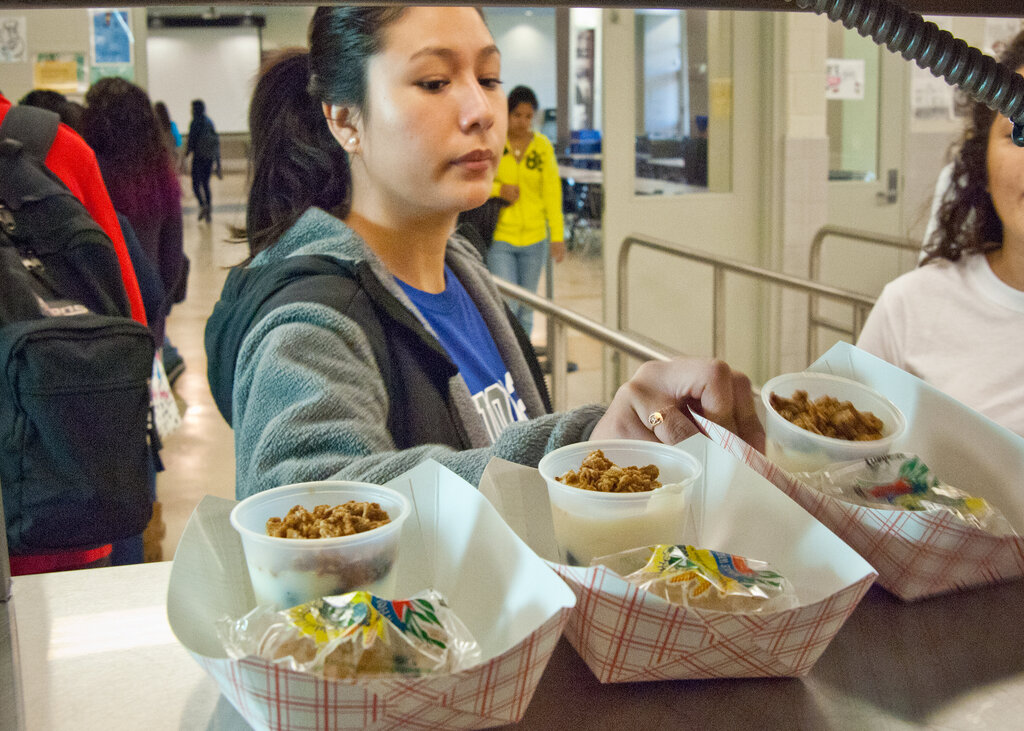
It's All Connected
Successful food and beverage operations don't see their work as a list of separate tasks. Instead, they use a systems approach, viewing the entire establishment as one interconnected machine. Every gear must turn in sync for the whole thing to run smoothly.
This system has several key components, and each one directly influences the others. It's a continuous cycle where one step logically flows into the next.
Here's how the components depend on each other:
- Menu Planning: This is the foundation. The menu dictates everything that follows, from the ingredients you need to the skills your chefs must have.
- Procurement: This is the process of sourcing and buying ingredients. You can't buy anything until the menu tells you what's needed.
- Production: This is where the food is prepared and cooked. The production team relies on the procurement team to have the right ingredients on hand to execute the menu.
- Service: This is the act of delivering the food and overall experience to the customer. The service staff needs to understand the menu to describe dishes and serve them properly.
- Quality Control: This isn't just a final step, but a constant check throughout the entire process. It ensures the ingredients are fresh, the food is cooked correctly, and the service is excellent.
A change in one part of the system creates ripples everywhere else. If the menu changes, so do the purchasing orders, the kitchen's workflow, and the staff's training.
This interdependence is what makes food and beverage management so challenging and dynamic. A successful manager is someone who understands how all these pieces fit together to create a seamless experience for the guest and a profitable business for the owner.